


The Lowdown on Synthetic Food Dyes
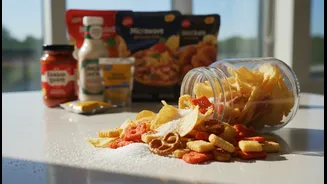
Synthetic food dyes are petroleum-derived substances used to give foods and drinks vivid, uniform colours. You will find them in everything from brightly decorated cupcakes and pastries to novelty lattes and flavoured syrups. Unlike natural colourings
derived from plants like beetroot or turmeric, these artificial agents have no nutritional value. In India, the Food Safety and Standards Authority of India (FSSAI) permits the use of eight synthetic colours, including Tartrazine (INS 102) and Sunset Yellow FCF (INS 110), within specified limits, generally capped at 100-200 parts per million (ppm) in most products.
Why the Concern for Youth?
A growing body of research has raised questions about the impact of synthetic dyes on children's health. Multiple studies and comprehensive reviews have indicated a potential link between the consumption of artificial food colourings and adverse neurobehavioral effects in some children, including hyperactivity, restlessness, and inattention. While not all children are affected in the same way, some appear to be more sensitive to these additives. This has led regulatory bodies in some parts of the world to require warning labels on products containing certain dyes, stating they may have an adverse effect on activity and attention in children.
Your Step-by-Step Audit Guide
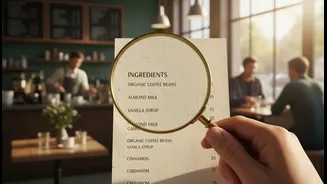
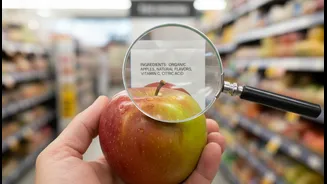
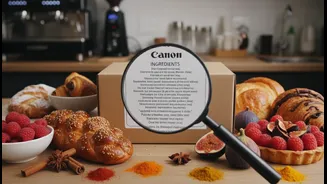
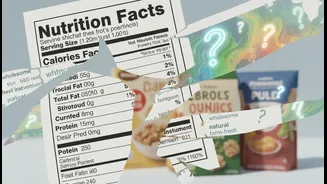
Becoming a savvy ingredient detective is easier than you might think. When you're at a cafe, you have the right to know what's in your food. Start by politely asking the staff if they have an ingredient list or nutritional information for their products, especially for syrups, sauces, and baked goods. When you get the list, look for specific names and codes. FSSAI requires labels to state “CONTAINS PERMITTED SYNTHETIC FOOD COLOUR(S)” and list the colours by name or their INS number. Common culprits to watch for include Tartrazine (INS 102 or E102), Sunset Yellow (INS 110 or E110), Carmoisine (INS 122), and Ponceau 4R (INS 124). A simple rule of thumb is to be wary of any colour followed by a number, like Red 40 or Blue 1.
Navigating In-Store Challenges
What happens if the ingredient list isn't readily available? This is common in smaller cafes or for items made in-house. Don't be discouraged. You can still make informed choices. Speak directly with the staff or manager. Ask if their colourful icings, sprinkles, or drink syrups are made with artificial dyes. Often, they will know or can quickly find out. If there's any uncertainty, it’s best to opt for a safer alternative. Choose items that are not brightly coloured, such as a plain croissant over a rainbow-sprinkled doughnut or a classic chocolate milkshake instead of a neon-blue slushie. Ask if they offer any naturally coloured options.
Embracing Natural Colours
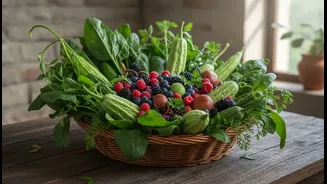
Avoiding synthetic dyes doesn't mean giving up on colourful food. It’s an opportunity to embrace the beautiful and delicious hues that nature provides. Many forward-thinking cafes are already using natural alternatives. These can include beetroot for reds and pinks, turmeric for yellows, spirulina for blues and greens, and butterfly pea flower for purples. These ingredients not only provide colour but can also add subtle flavours and nutritional benefits. By choosing cafes that prioritize natural ingredients or simply opting for less processed items, you are voting with your wallet for a healthier and more transparent food culture. This simple shift in perspective turns avoidance into a positive act of choosing wellness.