







The Monsoon Safari: A Myth-Busting Guide
There's a common misconception that all of India's national parks shut down completely from June to October. While it's true that many parks close their main gates, the story is more nuanced. The monsoon is a critical time for wildlife; it's the breeding
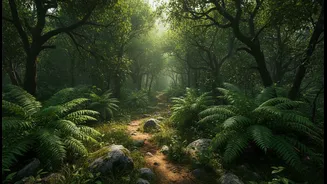
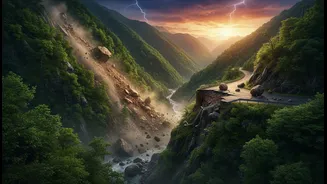
season for many species, and the rains rejuvenate the entire ecosystem. To protect the animals and ensure visitor safety on slippery, washed-out tracks, authorities close the most sensitive parts of the parks. However, this doesn't mean your wildlife dreams have to be put on hold. The secret lies in understanding the park's structure.
Core vs. Buffer: The Distinction Every Tourist Should Know
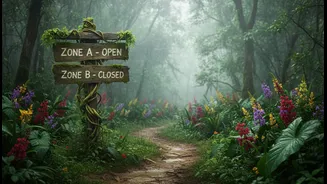
Every major tiger reserve is divided into at least two main areas: the core and the buffer. The core zone is the heart of the park, a strictly protected area with the highest density of wildlife, where conservation is the absolute priority. These are the zones that are almost always closed during the monsoon to give animals an undisturbed breeding period and allow for forest regeneration. The buffer zone is the area surrounding the core. It acts as a shock absorber, where regulated tourism and human activity are permitted. During the monsoon, these buffer zones often remain open for safaris, offering a unique and crowd-free experience. The problem for tourists is that official announcements often declare a park 'closed' without specifying that several buffer zones are, in fact, open for business.
The Information Black Hole
This is where the frustration begins. A family planning a trip might check a national park's official website only to find a single notice stating that the park is closed from July 1st to September 30th. This often refers only to the core zones. Information about which of the several buffer zones or specific gates are open is frequently missing, outdated, or buried deep within complex government circulars. This lack of clear, centralized, and zone-specific information leaves tourists confused and reliant on word-of-mouth or third-party travel agents, who may or may not have the most current details. The result is missed opportunities for travelers and lost revenue for local communities dependent on tourism.
Parks That Offer Monsoon Hope
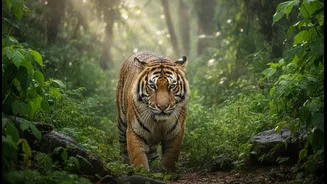
Despite the confusion, several popular parks offer fantastic monsoon safari opportunities if you know where to look. At Ranthambore in Rajasthan, for example, core zones 1-5 close, but buffer zones 6-10 remain open, offering a lush, green landscape. In Uttarakhand, Jim Corbett National Park closes its famous Dhikala and Bijrani core zones, but the Jhirna, Dhela, and Sitabani buffer zones welcome visitors year-round. Maharashtra's Tadoba Andhari Tiger Reserve is another prime example, keeping buffer gates like Moharli, Kolara, and Navegaon open and offering some of the best monsoon tiger sightings in the country. Similarly, parks in Madhya Pradesh like Pench and Satpura keep buffer areas accessible.
Your Monsoon Safari Planning Checklist
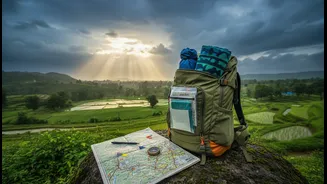
Navigating the system requires a bit of detective work, but the reward is a magical, serene jungle experience. First, don't take a blanket 'park closed' notice at face value. Always try to dig deeper. Start by checking the official forest department website for the specific state, not just the park's general tourism page. Look for detailed orders regarding monsoon access. Second, identify the buffer zones of the park you want to visit and search for information specifically about them. Third, and perhaps most effectively, call the office of the Field Director of the tiger reserve directly a few weeks before your trip. They will have the most definitive information. Finally, connect with reputable local safari operators or lodges near the buffer gates. They are on the ground and will have real-time knowledge of track conditions and which gates are operational. Booking a safari through them is often the most reliable path.