


The Other Side of Paradise
Between June and September, Goa sheds its tourist-heavy skin and returns to its roots. [9] The infamous crowds of peak season disappear, replaced by a profound sense of calm. [12, 14] This 'off-season' is not for everyone; many beach shacks and water
sports operators close down. [5, 18] But for those who don’t mind a bit of rain, it’s a golden ticket to experience the state’s authentic rhythm. [9] The advantages are compelling: flight and hotel prices drop significantly, the roads are clear of traffic, and you can explore popular spots without the hustle. [14, 19] It’s a chance to see Goa as the locals love it—slow, serene, and deeply connected to nature. [9, 12]
A World Washed Anew
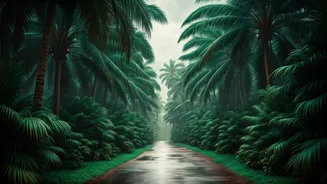
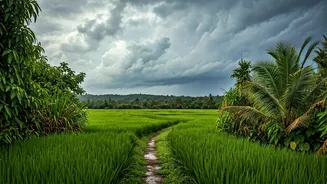
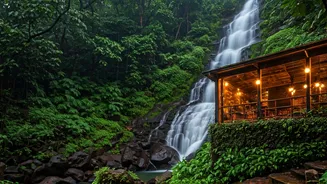
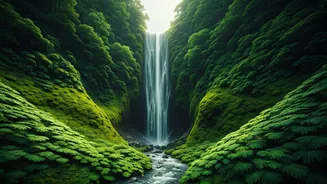
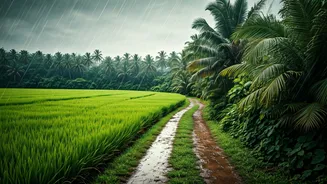
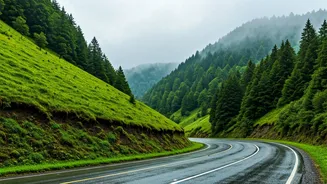
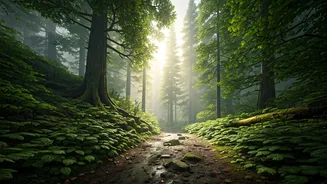
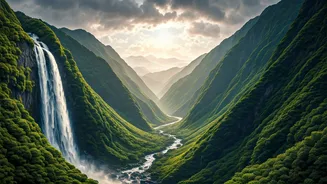
The most dramatic change the monsoon brings is to the landscape. The red earth and sun-bleached hills vanish under a vibrant blanket of emerald green. [4, 5] The countryside transforms, with misty mountains, verdant paddy fields, and forests that seem to reclaim the land. [4, 5] This is the season when Goa’s waterfalls are at their most spectacular. [4] The iconic Dudhsagar Falls, one of India's tallest, becomes a thundering cascade, a must-see spectacle during the rains. [8, 16] Smaller, more secluded waterfalls like those at Tambdi Surla and Netravali also come to life, offering tranquil spots for nature lovers. [9, 15] Driving through the ghats, particularly Chorla Ghat, offers breathtaking panoramic views of clouds rolling over the mountains. [11, 21]
The Slow Life: What to Do in the Rain
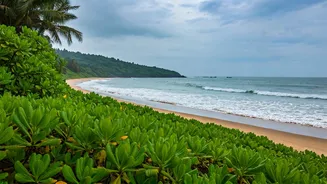
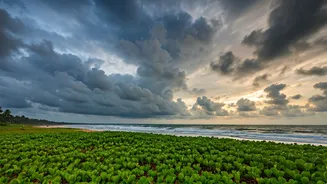
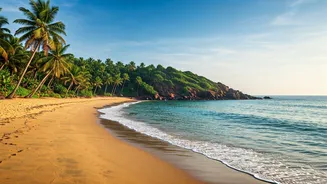
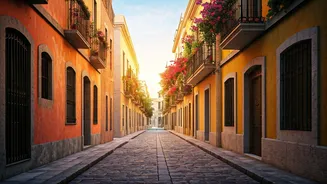
Monsoon travel in Goa is less about beach tanning and more about embracing slower, more immersive activities. Long walks on near-deserted beaches are a moody, romantic experience, though swimming is often restricted due to rough seas. [4, 16] The season is perfect for exploring Goa’s rich cultural and natural heritage. Take a heritage walk through the charming, rain-washed Latin Quarter of Panjim, Fontainhas, or visit the historic churches of Old Goa. [7] Spice plantations near Ponda are intensely fragrant and lush during this time, offering guided tours and delicious traditional Goan meals. [3, 8] For wildlife enthusiasts, sanctuaries like Bhagwan Mahavir, Mhadei, and Cotigao are teeming with life, and birdwatching becomes a rewarding activity. [3, 15] Evenings can be spent cozying up in a quiet cafe, enjoying a river cruise on the Mandovi, or trying your luck at one of the casinos that remain open. [3, 7]
A Traveller's Guide to Monsoon Goa
While the monsoon offers a unique experience, it requires some practical planning. As of late June 2026, the southwest monsoon is active over Goa, with weather alerts for heavy rain and gusty winds in effect. [29] It's crucial to monitor weather forecasts and be prepared for travel disruptions like road closures or flight delays. [20, 27] Pack waterproof bags, rain gear, and quick-drying clothes. [20] When it comes to getting around, renting a car might be wiser than a scooter on wet roads. [6] While many places close, the main tourist hubs in North Goa like Baga and Calangute tend to have more restaurants and shops open than the quieter South. [5, 25] However, South Goa is ideal for those seeking a truly peaceful resort holiday, where you can simply relax and watch the rain fall. [7, 8]