






A major new study has a stark warning for people with type 2 diabetes: stopping a popular class of medication could nearly double the risk of a heart attack or stroke. This finding highlights the powerful, protective role these drugs play.
What the New Study Found
A large observational
study published in The Lancet Regional Health - Europe examined the health records of over 80,000 people in Italy with type 2 diabetes. It found that patients who stopped taking a class of drugs known as GLP-1 receptor agonists had approximately double the risk of suffering a non-fatal heart attack, a non-fatal stroke, or death from any cause compared to those who continued their treatment. The data showed roughly four such events per 100 people each year among those who discontinued the medication, versus two events per 100 people for those who stayed on it. The increased risk was even more pronounced in patients with obesity.
Understanding GLP-1 Drugs
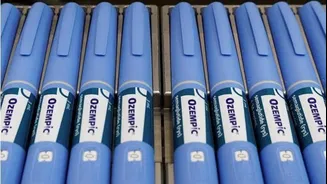
GLP-1 receptor agonists are modern medicines used to manage type 2 diabetes. You might know them by names like Ozempic, Mounjaro, or Trulicity. They work by mimicking a natural hormone that helps control blood sugar, but their benefits go far beyond that. These drugs also promote weight loss, reduce appetite, and, crucially, have been shown to provide significant protection for the cardiovascular system. This dual-action capability has made them a cornerstone of modern diabetes care, helping to manage the disease while also defending against its most dangerous complications.
The Link Between Diabetes and Heart Disease
For people with type 2 diabetes, managing heart health is just as important as controlling blood sugar. The condition itself significantly increases the risk of cardiovascular diseases like heart attacks and strokes. High blood sugar can damage blood vessels and nerves that control the heart over time. This is why the protective effects of GLP-1 drugs are so vital; they are not just treating one symptom, but actively working to reduce the likelihood of a life-threatening cardiac event. When the medication is stopped, that protective shield is removed, leaving the patient exposed to their underlying elevated risk.
Why Do People Stop Taking Their Medication?
The decision to stop a prescribed drug is often complex. Studies show that a large percentage of patients discontinue these medications, sometimes within the first year. Reasons can range from uncomfortable gastrointestinal side effects like nausea to the high cost of the drugs and lack of insurance coverage. Sometimes, a patient might simply feel better or believe they have reached their health goals and no longer need the medicine. In other cases, a doctor might temporarily pause the medication during an acute illness or hospital stay, and it is never restarted. Whatever the reason, the new study underscores that discontinuation comes with serious potential consequences.
The Danger Is Losing Protection
The study's findings suggest the increased risk isn't just from regained weight or a slight rise in blood sugar; it's the abrupt loss of the drug's active protective effects. Think of it like taking away a dam that's holding back floodwaters. The cardiovascular benefits built up over time can erode surprisingly quickly. One cardiologist noted that the findings confirm what is already known: these drugs provide a clear benefit, and when you stop them, that benefit disappears. This is why GLP-1 agonists are considered treatments for a chronic condition, meant for longterm use rather than as a shortterm fix.
Your Safest Path Forward
The most important takeaway from this research is straightforward: do not stop taking your diabetes medication without speaking to your doctor. If you are struggling with side effects, cost, or any other issue, have an open conversation with your healthcare provider. There may be different dosages, alternative medications, or support programs available that can help. Abruptly discontinuing treatment on your own removes a critical layer of protection for your heart and overall health. Your doctor can work with you to create a management plan that is both safe and sustainable for the long term, ensuring you continue to receive the lifesaving benefits of your prescribed therapy.