





The Alarming Numbers of July
The first week of July 2026 wasn't just wet; it was a deluge of historic proportions. In a matter of days, the city was pummelled with rainfall that would normally be spread over a month. The IMD’s Santacruz observatory, a key weather station, recorded
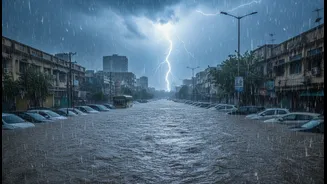
nearly 1,000 mm of rain between June 30 and July 6. To put that in perspective, in the first four days of the month alone, the city received around 75% of its entire average rainfall for July. In one staggering week, Mumbai got more rain than Delhi typically receives in an entire year. These aren't just statistics to be filed away; they are a clear and present warning. The character of the monsoon is changing from steady showers to short, brutal, cloudburst-like events that dump hundreds of millimetres in a few hours, a pattern scientists link to a warming climate.
Beyond Inconvenience to Daily Crisis
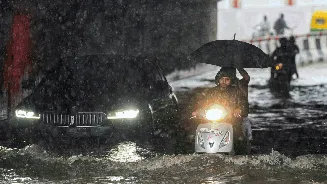
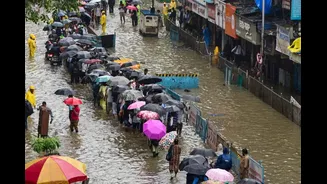
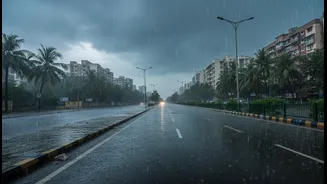
The phrase 'waterlogging' feels clinical, almost benign. But for millions, the reality is a paralysing crisis. The recent downpours turned roads into rivers in Andheri, Vasai, and Bandra, with water entering homes and shops. Local trains on the Western line, the city's lifeline, were delayed, leaving thousands of commuters stranded for hours, some resorting to paying for tractor rides or walking along flooded tracks. The economic cost is immense, but the human cost is steeper, with at least 13 rain-related deaths reported in the first week of July. When the IMD issues a red alert and the government advises offices to let people work from home, it's no longer about a 'spirit of Mumbai' that endures hardship; it's about a city-wide system failure under predictable stress.
An Old City in a New Climate
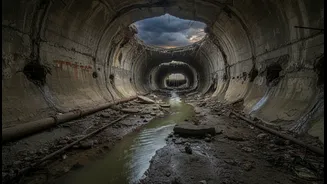
Mumbai’s flooding problem is a collision of geography, history, and modernity. Much of its core drainage system was built in the 19th century, designed for a smaller city with more open, absorbent ground. Today, that same system is expected to serve a sprawling concrete megapolis. The relentless pace of urbanisation has paved over natural floodplains and permeable soil, forcing every drop of rain into an overburdened network. Furthermore, the city has systematically destroyed its natural defences. An estimated 40% of Mumbai's protective mangrove cover was lost between 1995 and 2005, replaced by concrete in the name of development. These natural sponges once absorbed huge quantities of water, a service we are now paying dearly to replicate with engineered solutions. Add the challenge of high tides, which frequently block drainage outfalls and push seawater back into the city, and the recipe for disaster is complete.
Are Current Efforts Enough?
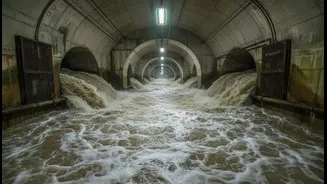
The Brihanmumbai Municipal Corporation (BMC) is not idle. Every year, it undertakes a massive pre-monsoon exercise, desilting drains and deploying hundreds of dewatering pumps. Yet, this annual ritual increasingly feels like patching a dam with sticking plaster. This year, reports emerged that pre-monsoon desilting of the crucial Mithi River was incomplete by the deadline. More alarmingly, over 2,000 manholes remained unsecured past the May 31 deadline, posing a direct threat to public safety. While long-term plans, including a Rs 13,000-crore flood mitigation project and proposals for 'Sponge City' concepts, are on the table, their implementation remains a distant promise. The problem is that the city’s infrastructure is being upgraded to deal with yesterday’s climate, while the rain is falling according to tomorrow’s.