





A Journey with a Purpose
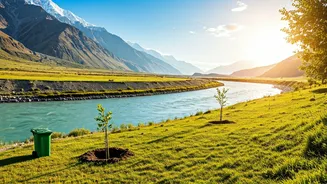
Imagine a path that winds along the entire length of the River Ganga, from its icy origins in the Himalayas to its final meeting with the sea. This is the vision behind the Gangotri to Gangasagar Yoga Trail, a monumental project spearheaded by the National
Mission for Clean Ganga (NMCG). In collaboration with organisations like the Art of Living Foundation, this initiative is not just about creating a physical trail; it's about forging a deep, conscious connection between people and the river. The project is a cornerstone of the 'Namami Gange' programme, aiming to transform the mission for a clean Ganga from a government policy into a widespread public movement. By integrating yoga, wellness, and spiritual practices, the trail seeks to tap into the profound cultural reverence for the Ganga, channelling it towards tangible environmental action.
Tracing the River's Sacred Path
The scale of the trail is as grand as the river itself. It is designed to stretch over 2,500 kilometres, following the Ganga's course through five states: Uttarakhand, Uttar Pradesh, Bihar, Jharkhand, and West Bengal. The journey begins at Gangotri, the glacier-fed source of the river, a place of immense spiritual significance. From there, it will meander through holy cities like Rishikesh, Haridwar, Prayagraj, and Varanasi, before culminating at Gangasagar, where the Ganga flows into the Bay of Bengal. Along this route, the plan involves developing 'Yoga Ghats,' meditation centres, and eco-friendly tourism infrastructure. The goal is to create a continuous corridor for spiritual seekers, yoga practitioners, tourists, and environmentalists, allowing them to experience the river's entire lifecycle and witness firsthand the challenges and successes of its rejuvenation.
More Than Just Poses
While yoga is the central theme, the initiative’s ambitions extend far beyond it. The trail is a key component of the government's 'Arth Ganga' model, which focuses on sustainable economic development centred around the river. The project aims to generate livelihoods for local communities through various activities. This includes promoting eco-tourism, selling local crafts and organic produce, and training local youth to serve as yoga instructors and nature guides. By making conservation economically beneficial, the project hopes to create a self-sustaining cycle where communities become the primary guardians of the river. Furthermore, the trail will serve as a platform for promoting sustainable agricultural practices, such as zero-budget natural farming, in the Ganga basin to reduce the runoff of chemical pollutants into the river.
Building a River-Conscious Community
At its core, the Gangotri to Gangasagar trail is an exercise in community building. A key objective is to move beyond top-down conservation efforts and foster a sense of collective ownership for the river's health. The initiative plans to achieve this through extensive public outreach programs, cleanliness drives, and awareness campaigns at various points along the trail. Special events, yoga camps, and cultural festivals will be organised to engage youth, students, and local residents. By encouraging people to physically connect with the river—whether through a pilgrimage, a yoga session on a ghat, or participation in a clean-up drive—the project hopes to revitalise the emotional and spiritual bond that has historically defined India's relationship with the Ganga. The idea is simple: people protect what they love and feel connected to.
The Path Forward
Creating a 2,500-kilometre trail is a formidable challenge that requires immense coordination, funding, and sustained political and social will. The success of the project will depend on effective collaboration between central and state governments, private organisations, and, most importantly, the millions of people living along the Ganga. The trail is not merely about construction but about cultivating a new culture of environmental stewardship. If successful, it could serve as a powerful global model for how to blend cultural heritage, spiritual wellness, and ecological conservation. It represents a shift from viewing rivers as mere resources to be exploited to seeing them as living, sacred entities that need to be nurtured, respected, and protected for generations to come.