




The Scale of the Shopping Spree
Indian carriers are gearing up for unprecedented growth. In November 2026, it was announced that airlines are expected to order an additional 1,000 aircraft, on top of more than 1,200 already ordered from manufacturers like Boeing and Airbus. This places
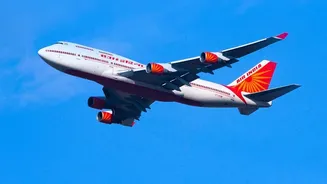
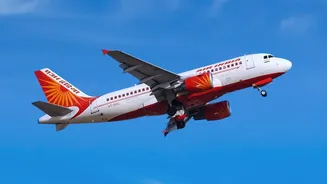
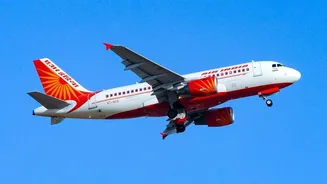
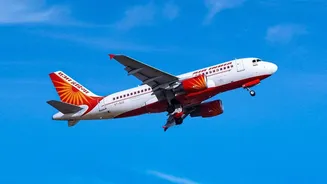
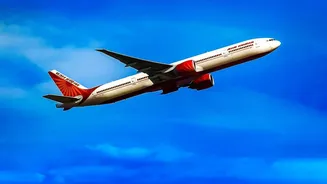
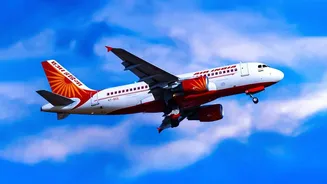
the country's total new aircraft requirement at over 2,000 planes. The major players driving this expansion are IndiGo, Air India, and the newer Akasa Air. Air India, under Tata Group's ownership, is undergoing a massive transformation, with a landmark order for hundreds of aircraft and plans to induct a new wide-body plane every six weeks during 2026. Meanwhile, market leader IndiGo has its own staggering order book of nearly 900 undelivered planes and is expanding into long-haul international routes with new wide-body aircraft.
A Nation on the Move
This phenomenal demand for aircraft is a direct result of more Indians choosing to fly. The domestic aviation market recently hit a historic milestone, crossing half a million daily passengers for the first time on November 17, 2026. This growth is fuelled by a rising middle class with greater disposable income, increasing urbanisation, and a decisive shift from rail to air travel for long-distance journeys. A key government policy, the UDAN (Ude Desh ka Aam Nagrik) scheme, has been instrumental in this transformation. By subsidising flights to previously underserved or unserved regional airports, the scheme has made air travel accessible and affordable for millions, connecting smaller towns and stimulating local economies.
More Than Just Planes
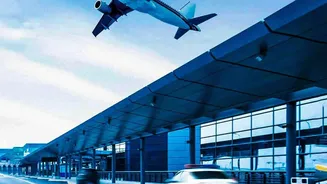
The ripple effects of adding over a thousand new aircraft extend far beyond the runways. This massive fleet expansion creates a pressing need for a whole new ecosystem of support services. Projections show India's Maintenance, Repair, and Overhaul (MRO) market is expected to reach USD 4 billion by 2031, driven by policy incentives and the sheer volume of new planes. Similarly, there is a massive demand for trained pilots, cabin crew, and ground staff. To meet this, Air India is opening a new flying school in 2026 and building a large-scale maintenance base. The government is also planning a huge infrastructure push, with a target to develop 100 new airports over the next decade, many by upgrading existing airstrips in regional areas.
Turbulence on the Horizon
Despite the optimistic outlook, the path ahead is not without significant challenges. Global supply chain disruptions and production backlogs at Boeing and Airbus mean many of these ordered aircraft face long delivery delays, with some scheduled to arrive as late as 2034. This creates a gap between soaring demand and available capacity. Airlines also face rising operational costs, particularly from volatile Aviation Turbine Fuel (ATF) prices, and a shortage of trained pilots and engineers. Furthermore, while new airports are being planned, major existing hubs are already facing infrastructure constraints, and intense competition among airlines could put pressure on profitability even as passenger numbers grow.