


The Dawn of a New Coffee Era
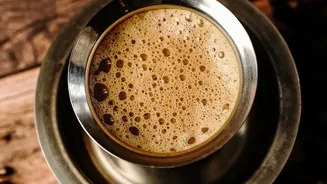
For generations, coffee in most Indian households meant one of two things: the traditional filter 'kaapi' of the South, or a quick, sugary mug of instant coffee everywhere else. While India has long been one of Asia's largest coffee producers, the majority
of its high-quality beans were destined for export. The domestic market was dominated by the ease and accessibility of instant brands. Today, that landscape is changing dramatically. A new generation of consumers, primarily Millennials and Gen Z, is driving a nationwide shift towards specialty coffee. This isn't just about drinking a different beverage; it's a fundamental change in culture, where coffee is no longer just a functional caffeine hit but a lifestyle choice and a form of self-expression.
From Convenience to Connoisseurship
So, what's behind this pivot from the familiar jar of instant coffee to carefully sourced beans? The reasons are multifaceted, reflecting broader trends in modern India. Increased disposable income and global exposure through travel and social media have made premium experiences more accessible and desirable. Young consumers are curious; they want to know the story behind what they consume. They're asking where their beans are from, who grew them, and how they were roasted. This curiosity has been met by a new wave of Indian specialty coffee brands that champion transparency and education. Cafes have transformed into community hubs and aesthetic backdrops for social media, turning a cup of coffee into a shareable statement of personal taste. As a result, concepts like 'single-origin', 'pour-over', and 'cold brew' have entered the mainstream vocabulary.
The Rise of the Estate Brand
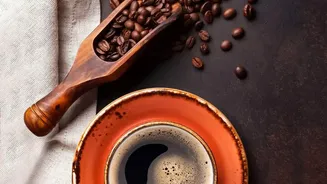
At the heart of this movement are the coffee estates of South India, primarily in Karnataka, Kerala, and Tamil Nadu. Historically, these estates sold their produce to large distributors with little brand identity of their own. Now, many are connecting directly with consumers. Brands like Blue Tokai, Third Wave Coffee, and Maverick & Farmer are not just selling coffee; they are selling the story of their specific terroir, from the misty slopes of Chikmagalur to the biodiverse farms of Coorg. They are making coffee traceable and transparent, often naming the estate and even the farmer on the packet. This farm-to-cup model resonates with young buyers who value authenticity and are willing to pay a premium for high-quality, ethically sourced products. This direct engagement has fostered an ecosystem where growers, roasters, and consumers collaborate, pushing innovation in farming and processing techniques.
The Ritual of the Home Brew
The revolution isn't just happening in trendy urban cafes. One of the most significant aspects of this trend is the embrace of home brewing. The pandemic-induced lockdowns accelerated this shift, as coffee lovers sought to replicate their favourite cafe experiences at home. Young enthusiasts are investing in brewing equipment like the AeroPress, French press, and V60 drippers, turning their morning coffee into a mindful ritual. This has fueled a surge in online sales for coffee beans and brewing gear, with direct-to-consumer subscriptions becoming increasingly popular. It marks a departure from coffee as a mere commodity to coffee as a hobby—a craft to be learned, perfected, and enjoyed. The focus is on freshness, with many brands now printing the roast date on every bag.