


The Comeback of a Kitchen Classic
Once a cornerstone of homes before refrigeration, the larder was a cool, dedicated space for storing food. Today, its descendant, the freestanding larder cupboard, is being embraced for reasons beyond nostalgia. Designers and homeowners alike are rediscovering
this standalone workhorse for its ability to provide dedicated, highly organised storage for everything from dry goods to spices and oils. Unlike integrated cabinetry, a freestanding larder acts as a piece of furniture, adding character and a focal point to the kitchen. It provides a welcome break from monotonous rows of cabinets, introducing a 'collected over time' feel that many modern homes strive for.
Why Freestanding Feels Fresh
The appeal of the freestanding larder lies in its flexibility. In an era where renters and homeowners desire adaptability, a larder can be moved to a new position, or even a new house, making it a sustainable, long-term investment. This is a significant advantage over built-in units, which are permanent fixtures. For those in older homes with uneven walls or quirky architectural details, freestanding pieces work with the character of the space rather than fighting it. They can also be a more affordable way to add significant storage without committing to a full kitchen renovation. A single, well-chosen larder can solve a multitude of storage woes while adding a dose of personality.
The Case for Seamless Integrated Storage
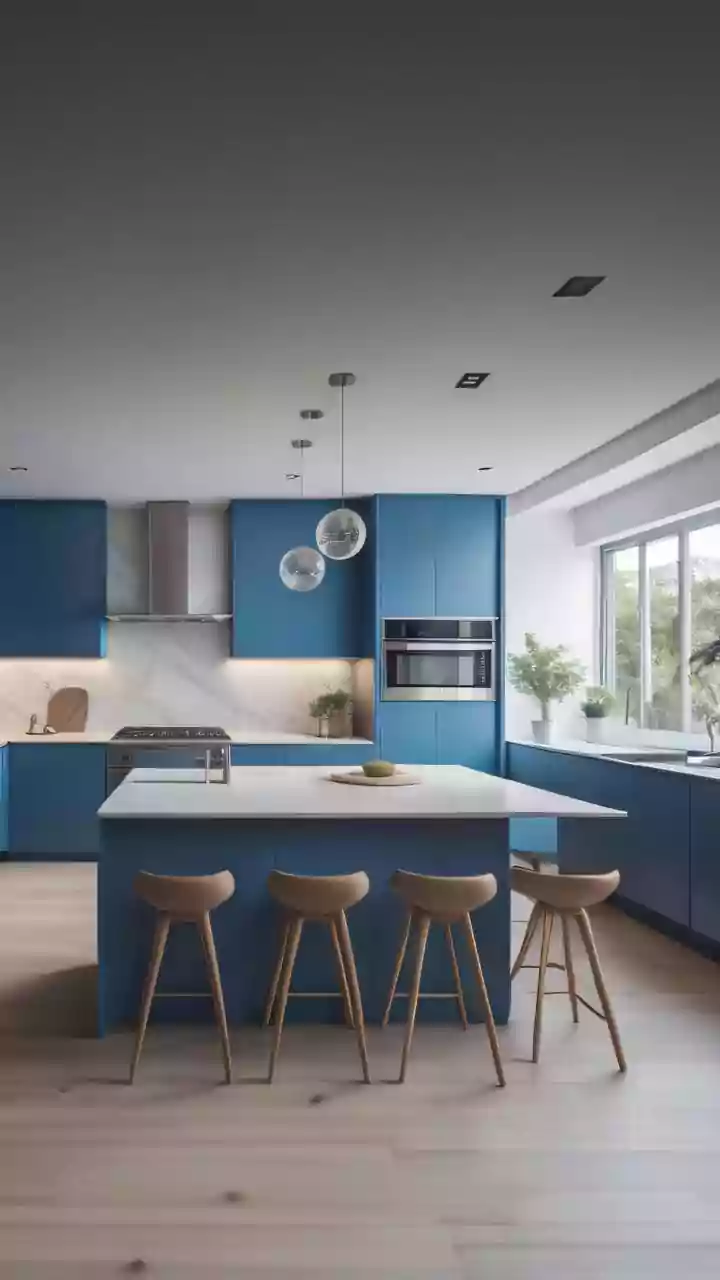
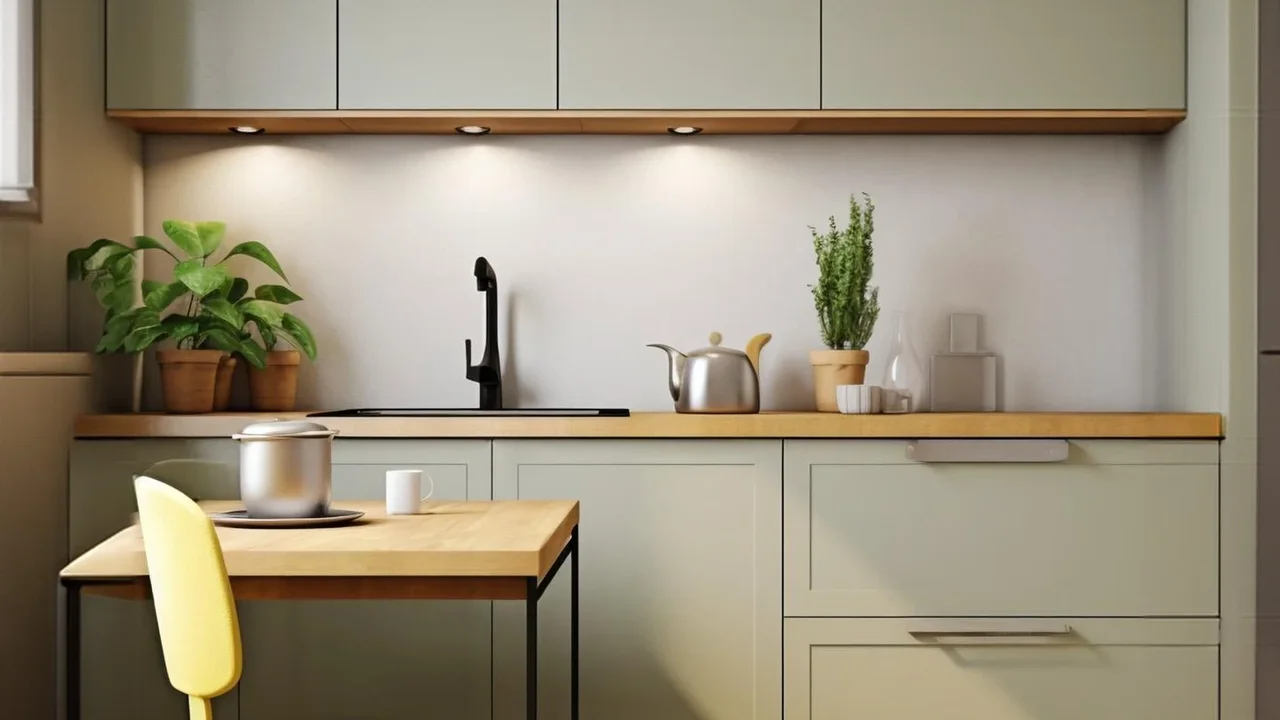
Of course, the return of the larder doesn't negate the benefits of modern, flexible kitchen storage. Integrated solutions, which have dominated kitchen design for decades, excel at creating a streamlined, seamless aesthetic. Handleless cabinets, pull-out pantry systems, and clever corner units are designed to maximise every square inch of space, which is crucial in smaller urban homes. These systems keep everything hidden, contributing to a clean, uncluttered look that aligns with minimalist design trends. For homeowners who prioritise a uniform and highly efficient workflow, a fully fitted kitchen with integrated smart storage often remains the ideal choice.
A Place for Spices and Staples
In the context of the Indian kitchen, the larder finds a special purpose. The sheer variety of dals, rice, flour, and spices that are central to Indian cooking requires a robust and organised storage system. A larder, with its combination of deep shelves for large containers, drawers for packets, and door-mounted spice racks, is perfectly suited for this task. It allows for the creation of a dedicated 'pantry zone' where all essential dry ingredients are visible and accessible. This helps in meal planning and reduces countertop clutter, turning the chaos of daily cooking into a more streamlined and enjoyable process. It’s a modern solution to a timeless need for organisation in a busy, food-loving household.
Larder or Cabinets: Finding Your Fit
Ultimately, the choice between a freestanding larder and integrated storage isn't about which is definitively better, but which is better for you. If you crave character, flexibility, and a statement piece that elegantly corrals your supplies, the freestanding larder is a compelling choice. It's perfect for those who see their kitchen as another furnished room in the house. Conversely, if your ideal kitchen is a seamless, highly efficient machine with an unbroken, minimalist aesthetic, then state-of-the-art integrated storage is likely your answer. Many modern designs even find a middle ground, incorporating a standalone larder into an otherwise fitted kitchen to get the best of both worlds.