






The Promise of a Simple Squeeze
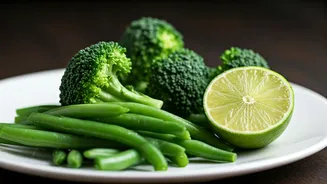
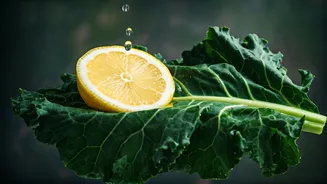
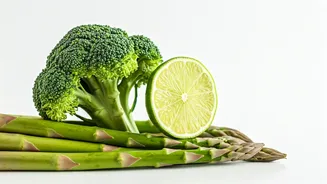
The idea is tempting: a quick squeeze of fresh lime juice over your boiled beans, broccoli, or spinach will lock in that vibrant green colour. It’s a piece of kitchen wisdom that sounds plausible. After all, citrus is known for its ability to brighten
flavours and even prevent browning in fruits like apples and avocados. [21, 23] The logic seems to follow that this acidic power could also work its magic on cooked greens. But when it comes to the delicate chemistry of green vegetables, the truth is a little more complex, and timing is everything.
The Science of Green: Chlorophyll vs. Acid
The brilliant green in vegetables comes from a pigment called chlorophyll. [3, 10] Unfortunately, chlorophyll is sensitive and starts to break down when heated. During cooking, cell walls in the vegetable rupture, releasing natural acids. [6, 7] These acids, combined with heat, cause the magnesium ion at the centre of the chlorophyll molecule to be replaced by hydrogen atoms. [2, 16] This transforms the vibrant chlorophyll into a dull, olive-coloured compound called pheophytin. [2, 3, 16] Here’s the crucial part: adding more acid, like lime or lemon juice, *during* the cooking process actually speeds up this undesirable transformation, leading to faster discolouration. [7, 20] So, adding lime juice to your boiling water is the opposite of what you want to do. [7]
Perfect Timing is Everything
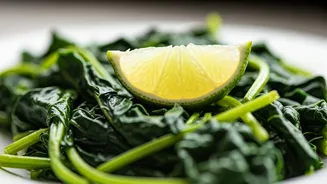
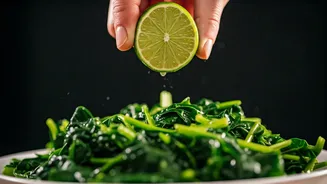
So, is the lime juice trick a complete myth? Not exactly, it’s just a matter of timing. While adding acid during cooking is a mistake, a squeeze of lime or lemon juice *after* the vegetables are cooked and removed from the heat can work wonders. [18, 22] At this stage, the cooking process has stopped, and the acid is no longer interacting with the chlorophyll under high heat. Instead, it works as a flavour enhancer, brightening the taste of the vegetables and making them seem fresher and more vibrant on the palate. [18, 23] The perceived brightness is more about flavour and aroma than a chemical preservation of the green colour itself, but the delicious result is undeniable.
Better Ways to Keep Your Veggies Green
If you want to reliably keep your greens looking their best, science offers several proven methods that are more effective than a post-cooking lime spritz. The most effective technique is blanching followed by shocking. [1, 3] This involves boiling the vegetables in a large pot of well-salted water for a very short time—just 2-5 minutes, depending on the vegetable—until they turn a vibrant green and are crisp-tender. [2, 5, 17] Immediately after, you must 'shock' them by plunging them into a bowl of ice water. [1, 4] This instantly stops the cooking process and locks in the colour. [3, 4] Cooking quickly at a high temperature is key, as prolonged exposure to heat is the main enemy of chlorophyll. [5, 7]
Other Pro Tips for Vibrant Greens
Beyond blanching, a few other small adjustments can make a big difference. First, always add your vegetables to water that is already at a rolling boil; don't start them in cold water. [3, 7] This minimises the total cooking time. Use a large volume of water, as this dilutes the natural acids released by the vegetables. [7, 14] And make sure your boiling water is generously salted. Salt not only seasons the vegetables but can also help protect the chlorophyll molecule, albeit minimally. [5, 8] Some old advice suggests adding a pinch of baking soda to the water to make it more alkaline, which does preserve green colour. [3, 5] However, this method is often discouraged by chefs because it can break down the vegetable's cell walls, resulting in a mushy texture and a slightly soapy taste. [6, 14]