



The Science of the Chill
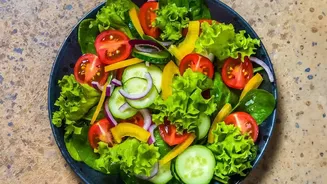
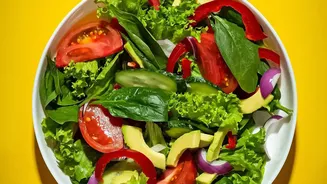
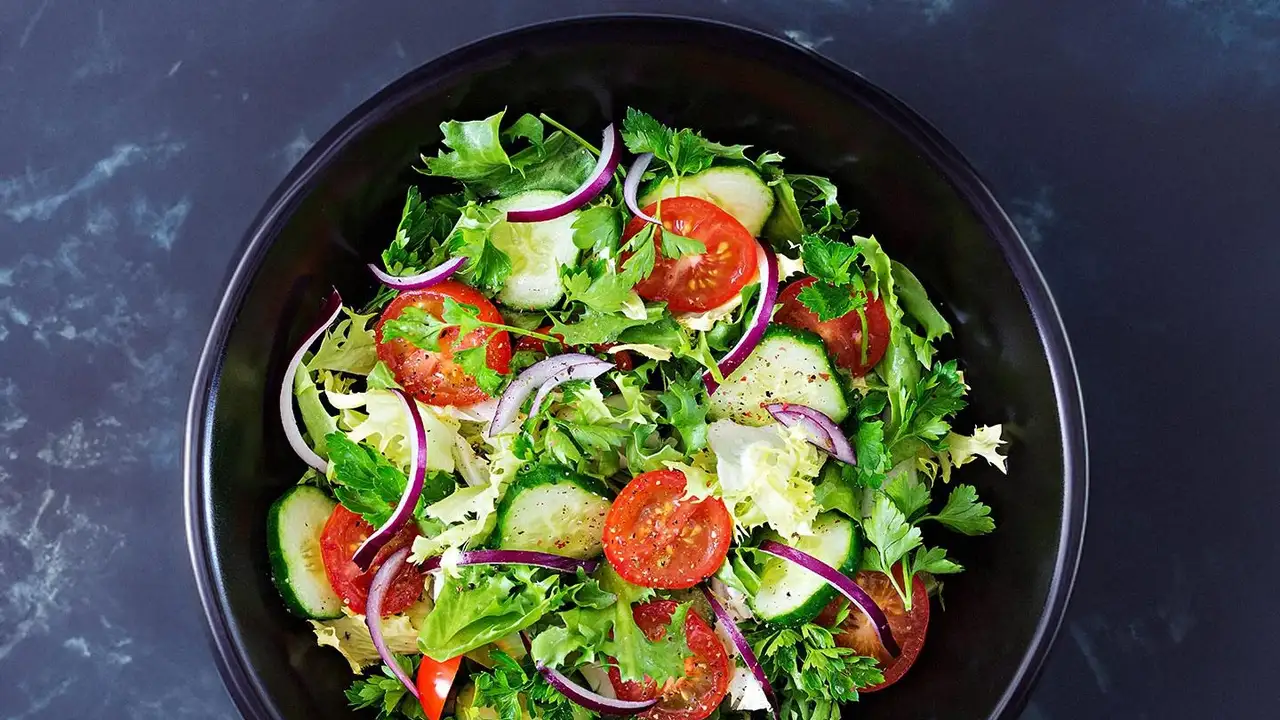
The secret to a restaurant-quality salad often lies in temperature control. Serving salad in a chilled bowl preserves the freshness and texture of your ingredients. When leafy greens or fresh herbs come into contact with a room-temperature surface, they
begin to wilt faster. A cold bowl acts as a thermal buffer, keeping everything from your lettuce to your cucumber slices cool, crisp, and refreshing from the first bite to the last. This simple step is crucial, especially if your kitchen is warm from cooking other parts of a meal. Even bowls sitting in a cupboard can be warm enough to compromise your salad's integrity. To try it yourself, simply place your serving bowls in the refrigerator for about 15 minutes before you plan to eat. The difference is noticeable and will elevate your entire salad experience.
Start with Dry Greens
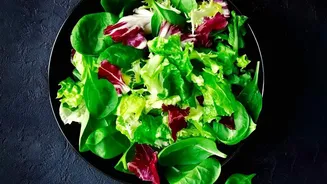
One of the most critical steps to a crisp salad is ensuring your greens are completely dry after washing. Excess water is the enemy of crunch, causing leaves to become limp and preventing dressing from adhering properly. A salad spinner is the most effective tool for this job. After washing your greens in cool water, a few spins will remove the majority of the moisture without bruising the delicate leaves. If you don't have a salad spinner, you can gently pat the leaves dry with clean kitchen towels or paper towels. Taking the time to properly dry your greens not only keeps them crisp but also allows the dressing to coat the leaves evenly, meaning you can often use less dressing for more flavour.
The Art of Layering
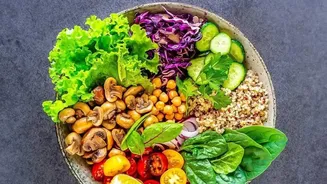
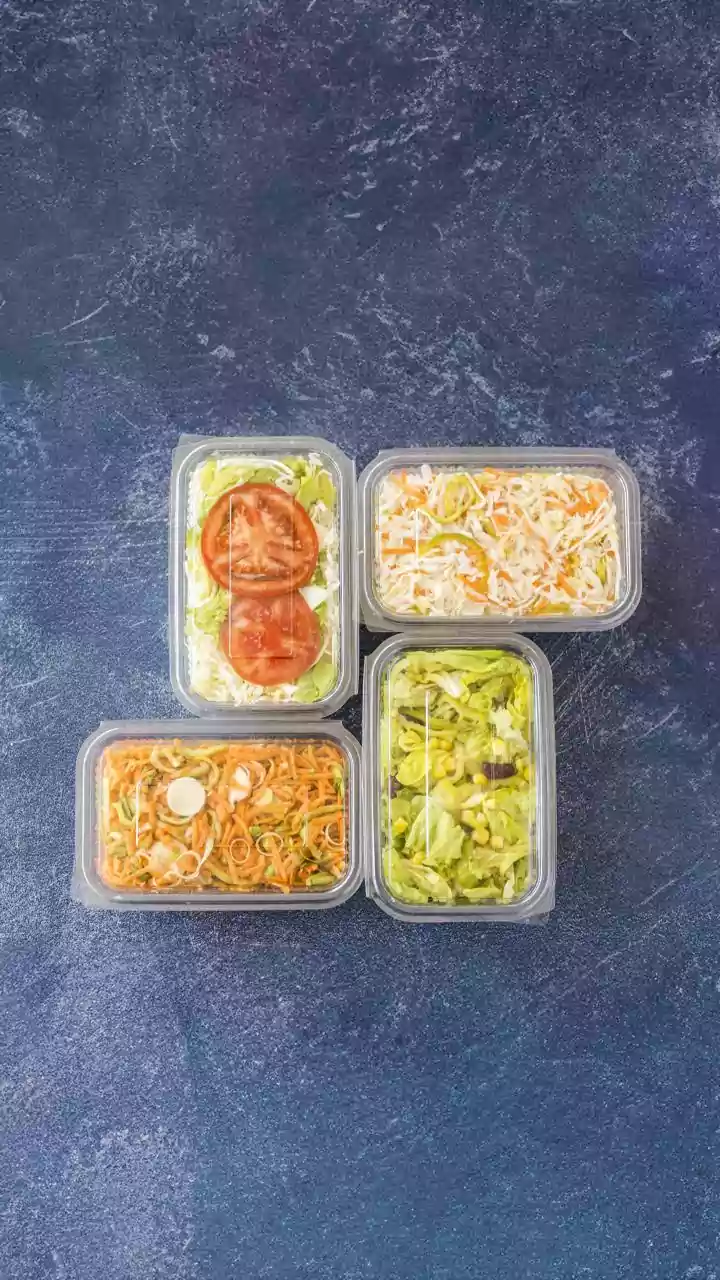
How you build your salad matters, especially if you're not eating it immediately. For meal-prepped salads, layering is key to preventing sogginess. Start with the heartiest, least absorbent ingredients at the bottom. This includes things like grains, proteins, or hard vegetables like carrots and bell peppers. Follow this with lighter vegetables and fruits. The most delicate ingredients, your leafy greens, should always go on top, far away from any moisture that might collect at the bottom. By keeping wet and dry ingredients separate until you're ready to eat, you ensure every component maintains its intended texture.
Timing Your Dressing
The golden rule for a crisp salad is to add the dressing just before serving. Vinaigrettes, which are acidic, begin to break down the cell walls of leafy greens almost immediately, causing them to wilt. The salt in many dressings also draws water out of the vegetables, further contributing to a lack of crunch. If you're packing a salad for lunch, always keep the dressing in a separate container. For dinner parties, you can dress and toss the salad in a large chilled bowl right before bringing it to the table. This simple timing trick ensures your salad is served at its peak freshness and texture.
Smart Storage Solutions
Extending the life of your salad greens starts the moment you bring them home. After washing and thoroughly drying your greens, proper storage is crucial. An effective method is to store them in a container lined with a paper towel. The paper towel absorbs excess moisture, which is a primary cause of spoilage and sliminess. Avoid packing the greens too tightly, as airflow is important to keep them fresh. For heads of lettuce like romaine, you can wrap them in a damp paper towel before placing them in a bag. These techniques help maintain a stable level of humidity, keeping your greens ready for a week of crisp salads.