

Jim Corbett National Park, Uttarakhand
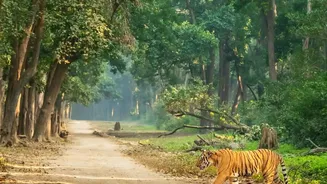
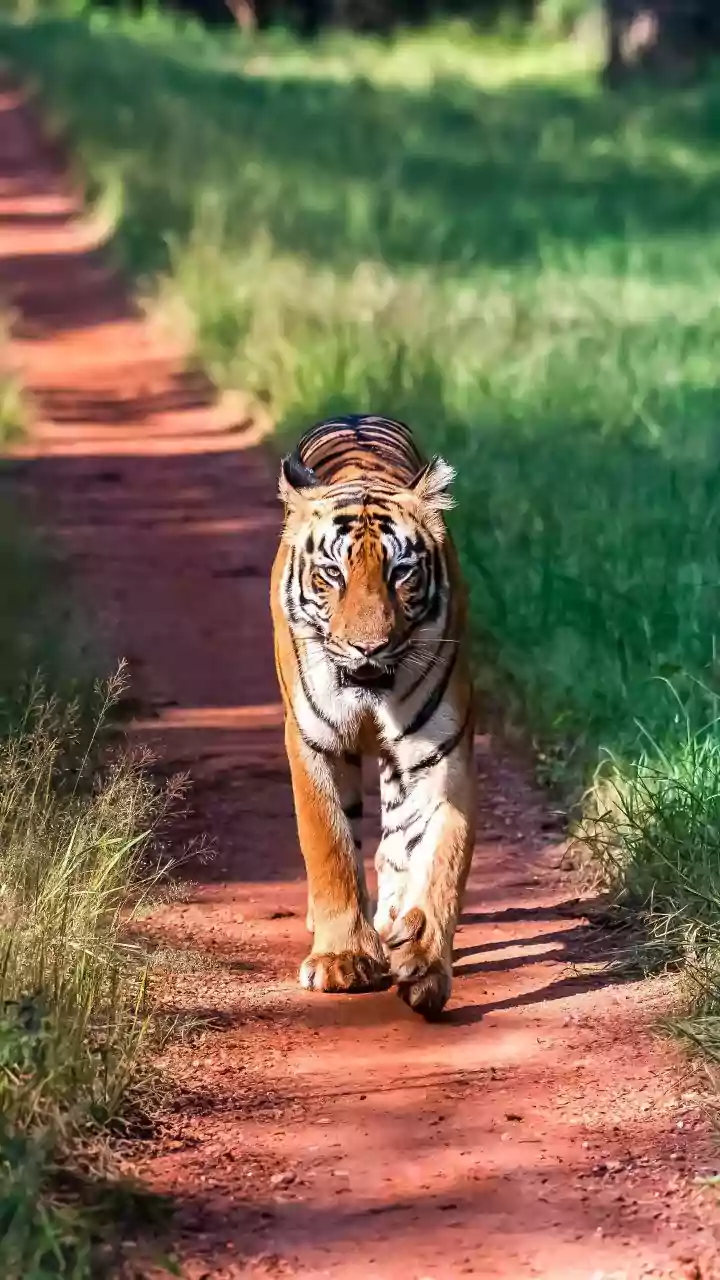
As India's oldest national park, Jim Corbett offers a classic wildlife experience against the backdrop of the Himalayan foothills. Winter, from November to February, is arguably the best time to visit. The weather is cool and pleasant, making for comfortable
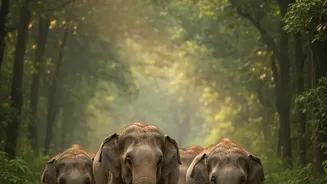
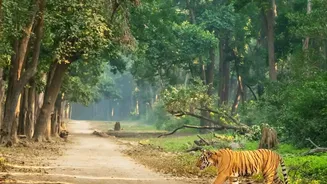
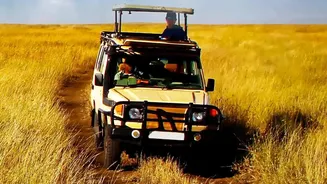
jeep safaris through the diverse terrain of sal forests, grasslands, and riverbeds. This season is particularly rewarding for wildlife sightings. With reduced vegetation, visibility is significantly improved, increasing the chances of spotting the majestic Bengal tiger, which often comes out to bask in the sun. The park is also a haven for elephants and becomes a paradise for birdwatchers, as over 100 species of migratory birds arrive for the winter, joining the hundreds of resident species. The misty mornings and clear, crisp air lend a magical quality to the landscape, making it a photographer's delight.
Ranthambore National Park, Rajasthan
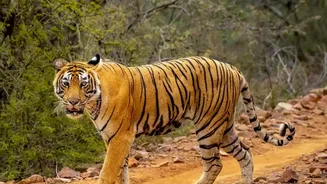
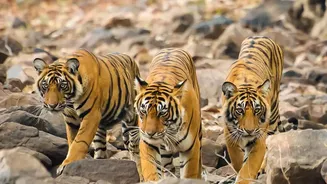
Famous for its formidable tigers and ancient ruins, Ranthambore offers a unique blend of history and wildlife. The winter months, from October to March, are ideal for exploring this dry deciduous forest. The pleasant daytime temperatures, which hover between 10°C and 25°C, allow for comfortable and extended safari drives. While the foliage is not as sparse as in peak summer, it is thin enough to improve visibility for spotting animals. A key attraction is the chance to photograph a tiger against the backdrop of the 10th-century Ranthambore Fort. In addition to tigers, the park is home to leopards, sloth bears, and crocodiles. The early morning safaris in winter are especially atmospheric, with mist often hanging over the park's lakes, creating a soft, golden light that is perfect for photography.
Kaziranga National Park, Assam
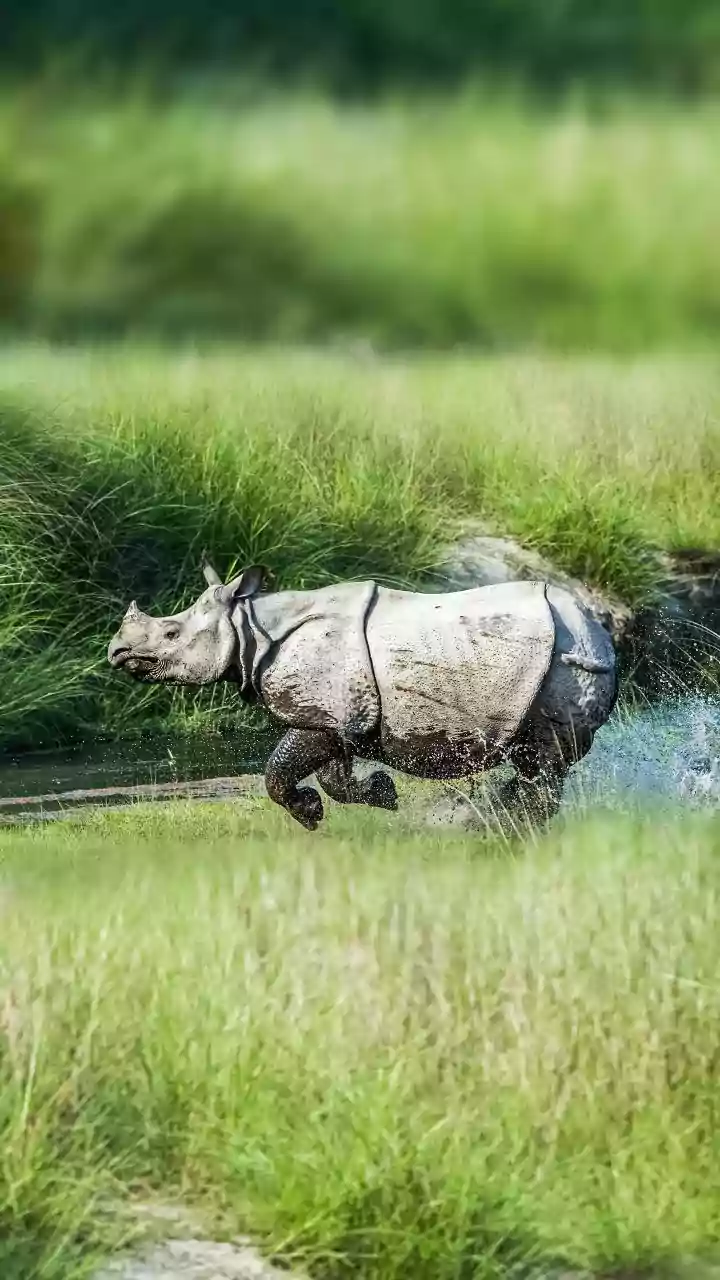
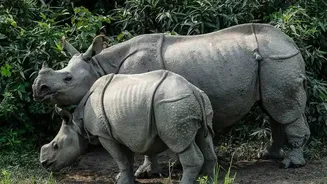
A UNESCO World Heritage Site, Kaziranga is globally renowned for hosting two-thirds of the world's great one-horned rhinoceros population. Winter is the best season to visit, as the park remains closed during the monsoon due to flooding. From November to February, the weather is pleasantly cool, and the dry terrain makes all safari zones accessible. The receding waters and shorter grasses mean wildlife, including rhinos, elephants, wild water buffalo, and swamp deer, are more easily seen. Kaziranga also has one of the highest tiger densities in India. For bird enthusiasts, winter is a spectacular time, as migratory birds from Siberia and Central Asia flock to the park's wetlands, transforming it into a birdwatching paradise. Visitors can choose between jeep safaris and unique elephant-back rides to navigate the tall grasslands.
Kanha National Park, Madhya Pradesh
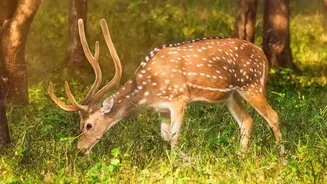
The very forest that inspired Rudyard Kipling's 'The Jungle Book', Kanha National Park is a premier destination for a winter safari. The season, running from November to February, offers comfortable weather and beautiful landscapes of sal forests and vast meadows. While mornings can be quite cold, the pleasant daytime sun makes for ideal safari conditions. Winter is an excellent time for wildlife sightings, as animals like the iconic Bengal tiger and the rare hard-ground barasingha (swamp deer) are often seen in the open. The park's diverse fauna also includes leopards, sloth bears, and Indian gaur. Birdwatching is another major draw, with many migratory species visiting during these months. The misty mornings and golden light create stunning photographic opportunities, capturing the serene and wild spirit of central India.
Periyar National Park, Kerala
Offering a different flavour of wildlife experience in the south, Periyar National Park in Kerala is a wonderful winter destination. Set in the verdant Western Ghats, the park is organised around the vast Periyar Lake. The winter months from October to February are particularly favourable, with negligible rain and a pleasant climate. Unlike safaris in other parks, the most popular way to explore Periyar is via a boat cruise on the lake. This unique vantage point provides fantastic opportunities to see herds of elephants, gaur, sambar, and wild boar as they come to the water's edge to drink. The park is also home to tigers, leopards, and the elusive Nilgiri Tahr. For birdwatchers, Periyar is home to over 320 species, including the Great Hornbill and the colourful Malabar Grey Hornbill.