


Curation Is Key
The single most important principle for maximalism in a small space is the shift in mindset from collecting to curating. Maximalism is not about hoarding or clutter; it’s about intentionally choosing items that tell a story and bring you joy. Before adding
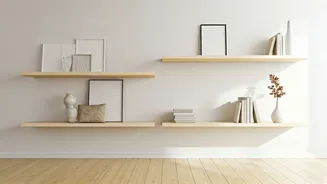
anything new, edit what you already have. Thank items that no longer serve you and let them go. Rather than scattering a collection across a room, group similar items together. A cluster of vintage pottery on a single shelf or a tightly arranged gallery wall has a much stronger and more cohesive impact than items spread thinly throughout the space. This focused approach ensures every piece contributes to a deliberate, personal narrative.
Unify with a Cohesive Colour Palette
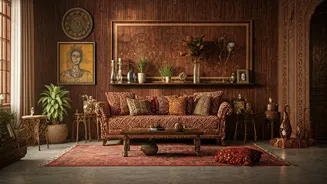
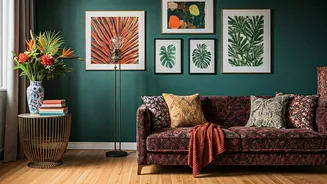
While maximalism celebrates bold colour, a free-for-all approach in a small flat can quickly feel chaotic. The solution is to establish a unifying colour palette. Choose a core group of three to five colours and repeat them throughout the space in varying shades and intensities. This creates a sense of cohesion even when you're mixing bold patterns and textures. For instance, a rich jewel tone like emerald green could appear on a velvet cushion, in the pattern of a rug, and as an accent on a piece of art. This repetition helps the eye connect the different elements, making the room feel whole and intentional rather than visually jarring.
Play with Scale and Proportion
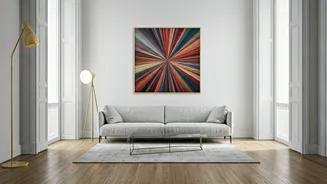
Conventional wisdom suggests using small furniture in small rooms, but many designers argue this can make a space feel sparse and unfinished. Don't be afraid to go big with a few key pieces. A single, large-scale piece of art can make a bigger, cleaner statement than a dozen small frames. Similarly, one larger, comfortable sofa is often better than multiple small, disconnected chairs. The trick is to balance these larger items with smaller accessories to create a visual hierarchy. A large patterned rug can anchor the room, while smaller, solid-coloured pillows calm the pattern. It's this play between different scales that creates depth and interest without overwhelming the eye.
Go Vertical and Use Every Layer
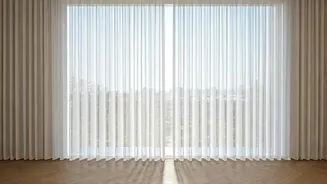
When floor space is limited, the walls are your best friend. Utilise the full verticality of your flat with floor-to-ceiling bookshelves or by hanging curtains high and wide to create an illusion of height. A gallery wall that extends upwards draws the eye, making the room feel taller. Don't forget about the layers closest to the floor, either. A beautiful stack of art books next to a sofa or plush cushions nestled under a coffee table adds interest at different levels, creating a rich, fully realised space from top to bottom.
Leverage Light and Reflection
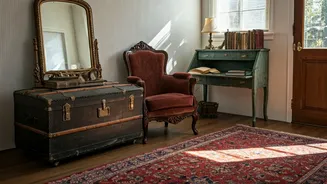
Mirrors are a powerful tool in any small space, but they are essential for a maximalist flat. A large mirror, or a collection of smaller ones, can reflect light and colour, making the room feel brighter and more expansive. Choose mirrors with ornate or interesting frames to turn them into decorative pieces in their own right. Similarly, incorporating elements with a sheen—like lacquered furniture, metallic accents, or glass objects—helps bounce light around. These reflective surfaces break up dense patterns and textures, adding a touch of glamour and preventing the decor from feeling too heavy or flat.
Choose Smart, Functional Pieces
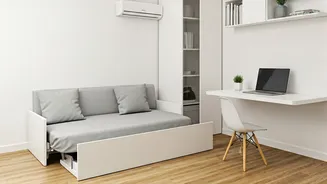
In a compact home, every item should work hard. Opt for multi-functional furniture, like a storage ottoman that can hide clutter or a stylish bookshelf that also works as a room divider. When selecting necessary items like lamps, rugs, or curtains, choose versions that make a maximalist statement with bold patterns or rich textures. This way, you’re adding personality without adding extraneous objects. A dramatic lampshade or a vibrantly patterned rug can do much of the decorative work for you, embedding the style into the room's functional fabric.