


What's in a 'Ghotala'?
In Hindi and Gujarati, the word 'ghotala' translates to a 'scam', 'mess', or 'chaos'. While it seems like an odd name for a dish, it perfectly captures the essence of this culinary creation. The name is a playful nod to the way all the ingredients are
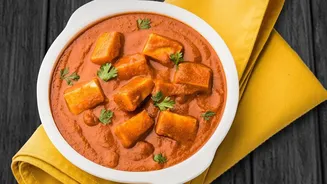
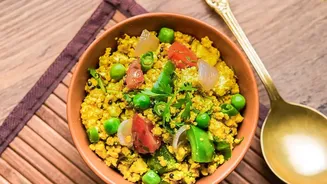
mashed and mixed together into a gloriously messy, scrambled, and flavourful curry. This naming convention is a clever marketing tactic used by street vendors in the bustling food lanes of Surat, Gujarat, to make their dishes stand out. The original and most famous version is Anda Ghotala (made with eggs), but Paneer Ghotala has emerged as a fantastic vegetarian alternative, capturing the same spirit in a new form.
Not Just Another Paneer Bhurji
At first glance, you might mistake Paneer Ghotala for its close cousin, Paneer Bhurji. Both involve scrambled paneer, but the distinctions are what make Ghotala special. The primary difference lies in the texture and preparation. For Ghotala, paneer is typically grated, not just crumbled, creating a finer base that melts into the gravy. The cooking process involves mashing the tomatoes, capsicum, and other ingredients into a semi-uniform gravy before the paneer is even added. Many recipes also use a mix of grated, crumbled, and sometimes cubed paneer to create a variety of textures, mimicking the complexity of the original egg version. Furthermore, Paneer Ghotala often includes key ingredients not always found in a standard bhurji, like capsicum and, crucially, pav bhaji masala, which lends it a signature street-food tang. Some modern street versions even add a generous amount of butter and grated cheese, elevating it to a richer, more indulgent dish.
The Core Components
The beauty of Paneer Ghotala lies in its straightforward yet impactful ingredients. The base is a flavourful masala made from finely chopped onions, tomatoes, ginger, and garlic. Finely chopped capsicum adds a subtle sweetness and crunch that is characteristic of the dish. For the paneer, using a fresh, soft 'malai' paneer yields the best results; it should be grated using the larger holes of a grater to prevent it from becoming mushy during cooking. The spice blend is what truly defines it. While basic spices like turmeric, coriander, and red chilli powder form the foundation, the addition of pav bhaji masala is non-negotiable for that authentic Surti flavour. Finally, a finishing touch of butter, kasuri methi (dried fenugreek leaves), and fresh coriander leaves brings it all together.
A Simple Recipe for Home Cooks
To make Paneer Ghotala, begin by heating oil and a knob of butter in a pan. Sauté finely chopped onions until soft, then add ginger-garlic paste and chopped green chillies. Once aromatic, add finely chopped tomatoes and capsicum. Cook this mixture until the tomatoes break down and become mushy, then use a potato masher to mash everything into a coarse gravy. Now, add your powdered spices: turmeric, red chilli powder, coriander powder, and a generous spoonful of pav bhaji masala. Sauté for a minute until the spices release their aroma and the oil begins to separate. Stir in your grated paneer and a splash of water to achieve the desired consistency. Let it simmer for a few minutes, allowing the paneer to absorb all the flavours. Be careful not to overcook it, as paneer can turn rubbery. Just before taking it off the heat, stir in a final dollop of butter and a sprinkle of crushed kasuri methi and fresh coriander. For an extra decadent touch, you can grate a cube of processed cheese on top and let it melt into the hot gravy.
Serving and Savouring
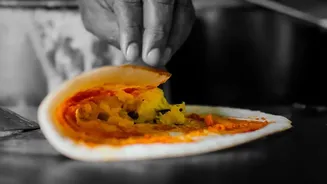
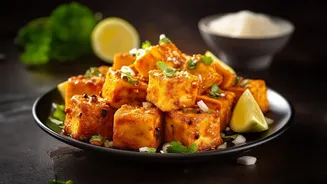
Traditionally, Paneer Ghotala is mopped up with soft, buttery pav (bread rolls). To get the full street-food experience, toast the pav on a tawa with a generous amount of butter, a pinch of red chilli powder, and some chopped coriander. The spicy, rich, and textured Ghotala clinging to a warm, buttery pav is a match made in culinary heaven. It's also incredibly versatile. You can serve it with roti, paratha, or even as a filling for a dosa or a sandwich. A side of sliced raw onions and a wedge of lemon provides a fresh, sharp contrast to the richness of the dish.