


The Ultimate Comfort Food
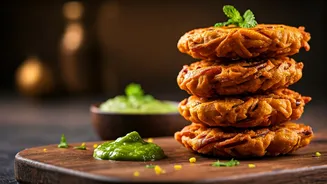
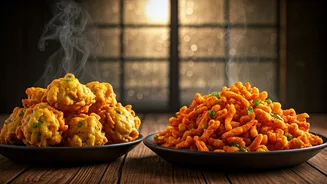
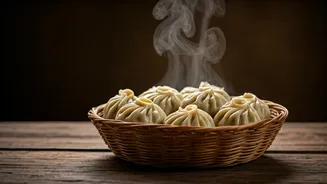
There's an unspoken rule in India: when it rains, we snack. For generations, this meant pakoras, samosas, or bhajiyas—crispy, fried, and comforting. But in recent years, a new contender has stolen the top spot in our hearts and kitchens. The humble momo,
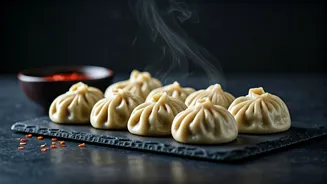
with its delicate wrapper and juicy filling, has become the quintessential monsoon comfort food. It’s warm but not heavy, savoury, and endlessly customisable. The act of dipping a hot, freshly steamed momo into a fiery chutney as the rain pours down outside is an experience that feels both modern and deeply traditional. It’s a sensory hug, perfectly timed for the cosiest season of the year.
From Street Staple to Kitchen Project
For the longest time, momos were a street-side delicacy or a restaurant treat. The thought of making them at home seemed intimidating. The dough had to be perfectly thin, the folds intricate, the filling just right. But something has shifted. Bolstered by countless YouTube tutorials, viral Instagram reels, and a pandemic-induced love for DIY projects, home cooks are embracing the challenge. The momo has officially graduated from an outsourced snack to a beloved kitchen project. It represents a new kind of culinary confidence, proving that with a little patience, even the most iconic street foods can be recreated, and perhaps even perfected, at home.
More Than Just a Dumpling
The magic of making momos at home isn't just about the final product. It's about the process. It's a beautifully communal activity. Picture it: a lazy, rainy Sunday with family or friends gathered around the table, each person trying their hand at pleating the delicate parcels. There's laughter, friendly competition over who has the neatest fold, and a shared sense of accomplishment. It’s a screen-free activity that brings people together, creating a memory as warm and satisfying as the dumplings themselves. In a fast-paced world, the slow, deliberate craft of folding momos is a form of delicious mindfulness.
Your Guide to the Perfect Fold
Ready to join the movement? Don’t be intimidated. Making great momos at home comes down to a few key principles. **The Dough:** The secret is a simple mix of all-purpose flour (maida), a pinch of salt, and lukewarm water. Knead it until it's smooth and elastic, not sticky. Let it rest for at least 30 minutes. This allows the gluten to relax, making it easier to roll out paper-thin. **The Filling:** This is where you can get creative! A classic chicken keema or finely chopped vegetable mix (cabbage, carrots, onions, ginger, garlic) is a great start. The key is to chop everything very finely and to squeeze out any excess water from the vegetables to avoid a soggy bottom. **The Fold:** This is the fun part. Start with the classic half-moon. Place a small spoonful of filling in the centre of your thinly rolled wrapper, fold it in half, and pinch the edges tight. Ready for a challenge? Try the pleated fold: create small, overlapping pleats along one edge before sealing it against the other. Remember, they don't have to be perfect—they just have to be sealed! **The Steaming:** No steamer? No problem. Place the momos on a greased steel plate or a cabbage leaf inside a large pot with a few inches of boiling water at the bottom. Cover and steam for 10-12 minutes, until the wrappers look translucent and shiny.
Don't Forget the Dip
A momo is only as good as its accompanying chutney. The classic fiery red dip, made with dried red chillies, tomatoes, garlic, and a touch of vinegar, is non-negotiable for purists. But feel free to experiment. A simple soy-chilli-vinegar dip works wonders, as does a creamy peanut-based sauce for a different twist. The goal is a dip that cuts through the richness of the filling and complements the delicate wrapper, creating that perfect, explosive bite.