






The Science of Rain-Fed Growth
At its core, water is life for plants. The consistent moisture provided by monsoon rains is fundamentally different from periodic, manual irrigation. Rainwater is naturally soft, slightly acidic, and free of the salts and chemicals often found in treated
water, making it ideal for plant absorption. When soil is consistently damp (but not waterlogged), it becomes a perfect medium for nutrients. Roots can more easily absorb essential minerals like nitrogen, phosphorus, and potassium, which are the building blocks of healthy growth. Furthermore, the overcast skies and higher humidity reduce evapotranspiration—the process where plants lose water through their leaves. This means the plant can dedicate more energy to growing bigger leaves, stronger stems, and eventually, better produce. For farmers, it also means a significant reduction in the cost and labour of irrigation.
Not All Rain Is Created Equal
The headline's promise hinges on a crucial distinction: the difference between a life-giving shower and a destructive deluge. Gentle, steady rain over several days is the ideal scenario. It allows water to slowly percolate deep into the soil, recharging groundwater reserves and ensuring roots have access to a steady supply of moisture. In contrast, sudden, intense downpours can be catastrophic. When rain falls too quickly, the soil can’t absorb it. This leads to surface runoff, which erodes precious topsoil and washes away nutrients. Worse, it can lead to waterlogging, where the ground becomes so saturated that it suffocates the plant's roots by cutting off their oxygen supply. This is why good drainage is non-negotiable for successful monsoon farming. The goal is to retain moisture, not to have plants sitting in a pool of stagnant water.
Monsoon Superstars: Vegetables That Thrive
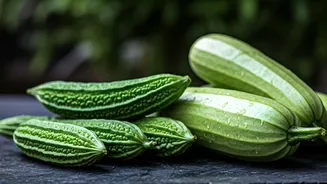
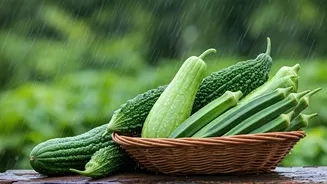
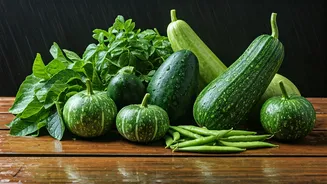
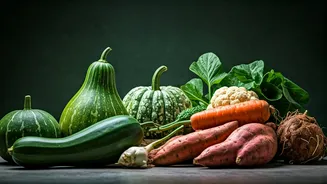
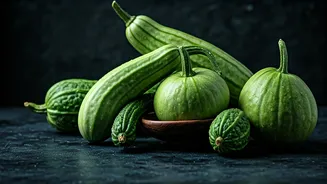
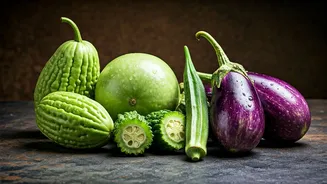
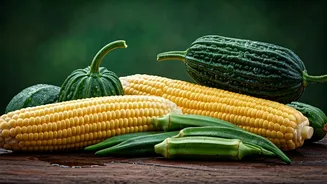
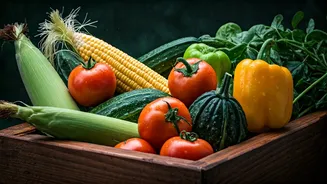
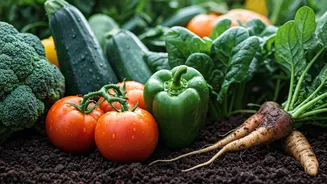
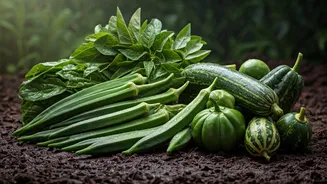
Certain vegetables are perfectly adapted to the wet and humid conditions of the Indian monsoon. The gourd family, in particular, has its time to shine. Bottle gourd (lauki), bitter gourd (karela), ridge gourd (tori), and snake gourd (chichinda) flourish during this season, their sprawling vines covering trellises and producing prolifically. Cucumbers and many varieties of beans also perform exceptionally well. These plants have evolved to handle high humidity and benefit greatly from the abundant water. While more delicate leafy greens like lettuce can struggle with fungal diseases, hardier greens like spinach (palak) and amaranth (chaulai) can produce excellent yields if planted on raised beds that allow excess water to drain away. These are the vegetables that flood the markets from July to September, offering fresh, local produce when other crops might struggle.
The Farmer's Strategy for Success
Harnessing the monsoon's power while avoiding its pitfalls requires skill and strategy. Farmers employ several techniques to maximise their harvests. Raised-bed farming is one of the most effective methods; by planting crops on mounds of soil a few feet high, farmers ensure that roots stay above the water table, preventing rot even during heavy spells. Proper spacing between plants is also critical to allow for good air circulation, which helps leaves dry faster and reduces the risk of fungal infections like powdery mildew. Many farmers also rely on natural fungicides and pesticides, such as neem oil solutions, to manage the inevitable increase in pests and diseases that thrive in damp conditions. Finally, selecting the right crop variety—one that is known to be resistant to local diseases and tolerant of wet conditions—is the first and most important step towards a successful rainy season harvest.
What It Means for Your Plate
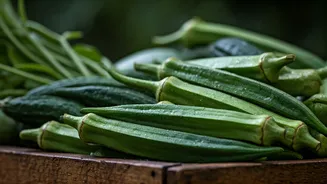
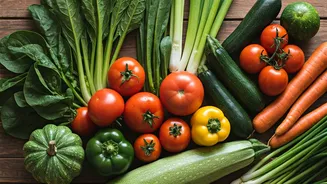
Understanding the rhythm of monsoon agriculture can change the way you shop and eat. When you see markets overflowing with lauki and bhindi, it’s not by accident; it’s a direct result of the season's suitability for these crops. This abundance often translates to lower prices and fresher produce for consumers. Opting for these seasonal superstars supports local farmers who are working in sync with the climate. It's a reminder that our food system is deeply connected to natural weather patterns. So, the next time it rains, instead of just thinking about floods, you can also think about the gourds and beans that are drinking it all in, getting ready for the harvest.