

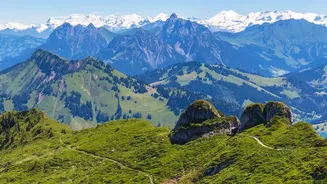
Beyond the Usual Suspects
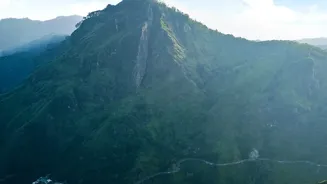
The Western Ghats, a UNESCO World Heritage Site, are a treasure trove of biodiversity, misty mountains, and lush forests stretching across multiple states. This natural abundance has, unsurprisingly, led to popular trekking routes and viewpoints in places
like Wayanad, Coorg, and Munnar becoming saturated with visitors. While beautiful, these well-trodden paths often lack the very thing many travellers seek: peace. The constant buzz of crowds can detract from the serene escape that nature promises. The true magic, however, lies in the routes less travelled—the historic ghats or passes that crisscross this ancient mountain range, offering a way to experience its raw beauty without the throngs of people.
What is a 'Ghat' Pass?
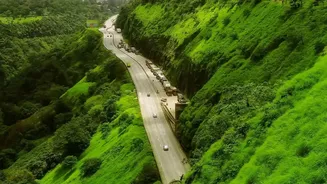
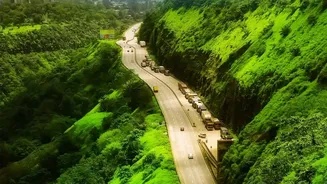
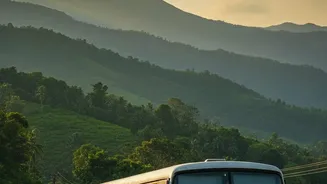
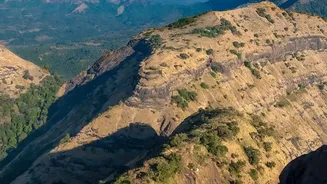
In this context, a 'ghat' refers to a mountain pass, a natural route that cuts through the rugged terrain of the Sahyadri range and beyond. For centuries, these passes have been vital corridors for trade, migration, and cultural exchange, connecting the coastal plains with the Deccan Plateau. Many of these routes are steeped in history, flanked by ancient forts built to protect them. While major passes like Bhor Ghat and Thal Ghat have been developed into bustling highways, countless smaller, historical trails remain. These are the 'hidden' passes—routes that may now exist only as trekking trails or quiet country roads, offering an authentic glimpse into the region's past and its untamed wilderness.
The Rejuvenation of Solitude
Opting for a lesser-known trail delivers more than just a quiet walk. It’s an opportunity for a profound mental reset. Away from the noise, the senses sharpen. You notice the chorus of birdsong, the fragrance of wet earth after a monsoon shower, and the intricate patterns of flora. This unfiltered connection with nature is deeply restorative. Treks on trails like the Varandha Ghat, a quieter alternative to popular routes near Pune, offer breathtaking valley views and the feeling of walking through clouds, especially during the monsoon. The experience is not about reaching a destination; it's about the journey itself—the quiet contemplation, the physical challenge, and the joy of discovering something few have seen. It’s an adventure that soothes the soul.
How to Find Your Own Path
Finding these hidden gems requires a spirit of adventure and some research. Instead of searching for the 'top 10 treks,' look for information on historic fort treks or old trade routes. Many forts, such as Mohangad which guards the Varandha Ghat, are linked to these old passes. Engaging with local trekking communities and hiring experienced local guides is invaluable. They possess generational knowledge of the terrain and can lead you to trails that don't feature on popular blogs. Exploring routes like the Aadrai jungle trail or the lesser-known treks in the Kudremukh range, such as Valikunja, can offer true solitude and a raw connection with the forest. Always prioritize safety, inform someone of your plans, and practice responsible trekking by leaving no trace.
An Example to Inspire: Amba Ghat
Amba Ghat, a mountain pass connecting Ratnagiri and Kolhapur, is a perfect example of a path that balances accessibility with natural beauty. While it is a highway, the surrounding area is a lush, biodiverse forest with opportunities for offbeat exploration. The region is rich in flora and fauna, including a bison sanctuary. It offers a chance to forget the busy city life amidst tranquil, green mountainscapes. The pass is historically significant, having been part of routes overseen by Maratha rulers, with forts like Vishalgad nearby. By using such a pass as a base, you can explore adjacent waterfalls, temples, and jeep safari trails that take you deeper into the wilderness, far from the main road's traffic.