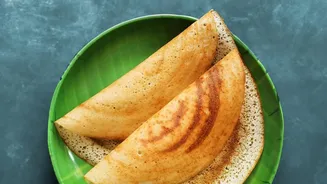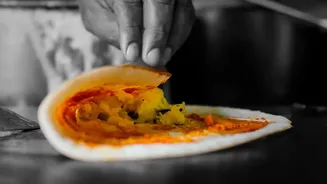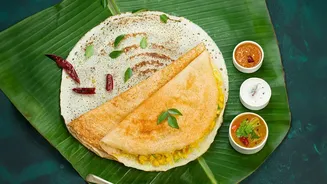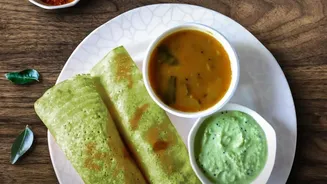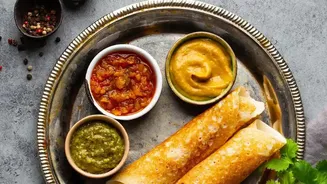


The Great Dosa Dilemma
Oats dosa presents a unique challenge. Unlike traditional dosas made from a fermented batter of rice and lentils, oats have a very different composition. They are high in soluble fibre, which makes them wonderfully healthy but also gives them a tendency
to become soft or even gummy when cooked. The flavour of plain oats is subtle and slightly sweet, a far cry from the tangy, savoury profile of a classic dosa. The art of the perfect oats dosa, therefore, lies in cleverly compensating for these characteristics. The goal is to introduce ingredients and techniques that create crispiness without making the dosa heavy, and build layers of flavour that honour its South Indian roots.
The Foundation: Choosing Your Oats
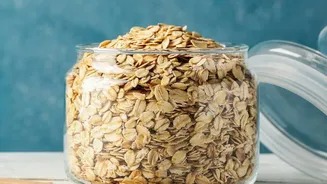
Not all oats are created equal when it comes to making dosas. You have two main choices: rolled oats or instant (quick-cook) oats. Rolled oats, which are thicker and less processed, provide a better texture. Many successful recipes recommend lightly powdering them in a blender before making the batter. This creates a base that holds together well. Instant oats can also be used, but they absorb liquid faster and can sometimes result in a softer dosa. Some cooks prefer a fermented approach, soaking steel-cut oats with lentils like urad dal and chana dal for several hours before grinding, which yields a fluffier, more traditional texture. For a quick meal, however, powdered rolled oats are the most reliable starting point.
The Secret to a Perfect Crunch
The single biggest challenge with oats dosa is achieving that satisfyingly crisp texture. Oats alone will not get you there. The solution is to add binding agents that also provide structure and crunch. The most common and effective additions are rice flour and semolina (sooji or rava). Rice flour is essential for crispiness. It counteracts the softness of the oats and helps the dosa develop a brittle, golden-brown edge. Semolina adds a slightly different, gritty texture that mimics the feel of a classic rava dosa. The ratio is key; a common starting point is to use equal parts oats flour and rice flour, with a smaller amount of semolina. Getting this balance right is crucial—too much rice flour can make it dense, while too little will leave it soft.
Building a Rich Flavour Profile
With the texture sorted, the next step is flavour. Plain oats batter can be bland, but it's a perfect canvas for a variety of spices and additions. Finely chopped onions, green chillies, ginger, and fresh curry leaves are non-negotiable for many cooks. These aromatics infuse the batter with a savoury depth that is essential. Cumin seeds, either whole or lightly crushed, add a warm, earthy note. A pinch of asafoetida (hing) can provide a subtle, onion-like background flavour. For a touch of tang that mimics fermented batter, adding a tablespoon of sour curd (yogurt) can make a significant difference, not just in taste but also in creating a softer, more moist result.
Mastering the Batter and the Tawa
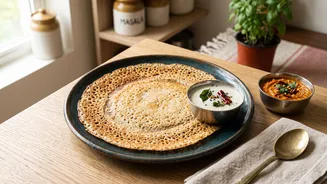
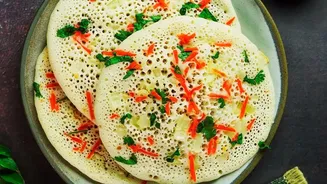
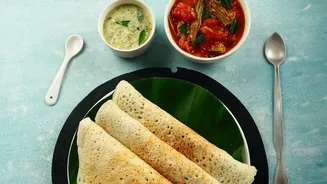
The consistency of the batter is critical. For an instant, crispy oats dosa (similar to a rava dosa), the batter should be thin and watery. This allows you to pour it onto the hot tawa, creating a lacy, net-like texture. Don't try to spread this thin batter with a ladle; pour it from the outside in. Conversely, if you've made a thicker batter (especially a fermented one), you'll spread it in a circular motion like a traditional dosa. The tawa (griddle) must be properly heated. For a lacy, thin dosa, the pan should be very hot when you pour the batter. If it's not hot enough, the batter won't spread correctly and will result in a thick pancake. Cook on a medium-low flame to allow the dosa to become crisp without burning. Patience is key; it takes longer to cook than a regular dosa.
Troubleshooting Common Mistakes
If your dosa sticks to the pan, it's often because the tawa isn't hot enough or the batter is too thin and has collapsed. A good trick is to rub the hot tawa with a cut onion before pouring the batter; this seasons the pan and prevents sticking. If your dosa is too thick and soft, your batter is likely too thick. Add a little water at a time until it reaches a pourable consistency. If the batter is too watery and the dosa is breaking apart, try adding a tablespoon or two of rice flour to help bind it together. Remember that the batter will thicken as it sits, especially with semolina in it, so you may need to adjust with a little water as you go.