








The Quiet Expansion on Our Highways
Long-distance bus travel in India is undergoing a significant expansion, particularly across the southern and western regions. Tech-led mobility platforms are partnering with local operators to roll out hundreds of new buses on high-demand routes. For
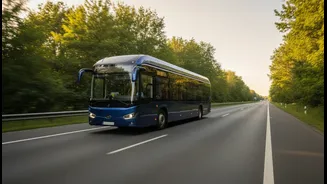
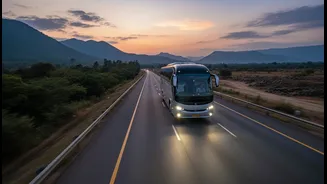
instance, zingbus recently announced plans to deploy over 200 new premium and electric buses across states like Telangana, Andhra Pradesh, Karnataka, Tamil Nadu, Kerala, Maharashtra, and Goa. This expansion targets major hubs like Bengaluru, Hyderabad, Chennai, Mumbai, and Pune, along with smaller but significant centres. This isn't just about a single company; it reflects a broader trend where private operators are rapidly growing their networks to meet passenger demand, often outpacing the growth of state-run services. The recent surge in demand is notable, with data from platforms like AbhiBus showing a 35% year-on-year increase in bus journeys in a major western state like Gujarat alone.
Not Just More Routes, But Better Rides
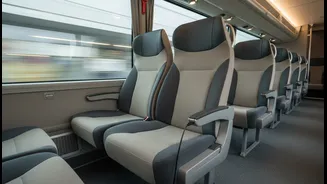
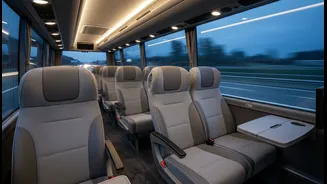
This expansion is more than just adding buses; it’s about a fundamental upgrade in the quality of travel. The new fleets are increasingly dominated by premium offerings—AC sleepers, buses with privacy curtains, onboard hospitality, and modern amenities. Operators are introducing premium sub-brands, like 'zingbus Maxx', which are positioned as hospitality-led services combining luxury with technology-driven safety features like driver drowsiness detectors. This shift caters to a new generation of travelers who are willing to pay more for comfort and a better experience, comparing their bus journey not just to another bus, but to an airline or a hotel. The data backs this up: AC sleeper bookings in Gujarat, for example, saw a 59% jump in 2026, showing a clear preference for comfort over cost.
The Forces Driving This Change
Several factors are fueling this transformation. Firstly, India's rapidly improving highway infrastructure is a massive catalyst. The construction of new expressways like the Bengaluru-Mysuru Expressway and others has drastically cut travel times, making bus journeys faster, safer, and more comfortable. Secondly, there's a clear shift in consumer behaviour. Rising airfares and the perennial difficulty of securing confirmed train tickets are pushing more travelers towards buses, especially for journeys between 200 and 600 kilometers. Finally, technology is playing a crucial role. Digital ticketing platforms and mobile apps have made it seamless to book and track journeys, bringing a fragmented industry into a tech-enabled, customer-centric ecosystem.
A Sustainable Push for the Future
A significant part of this new wave of expansion includes a strong focus on sustainability. Many of the new buses being deployed are electric. Companies have laid out roadmaps to significantly increase their electric fleet over the next few years, aiming for thousands of e-buses by 2030. This move is supported by a broader government vision, with reports of a potential $1 billion incentive package to help private operators electrify their fleets. This push towards green mobility is not just about environmental responsibility; it’s also becoming a competitive differentiator, appealing to a growing segment of eco-conscious travelers. While challenges like charging infrastructure and high upfront costs remain, the direction is clear: the future of intercity bus travel is becoming greener.