






First, What Are Blue Bonds?
Think of blue bonds as a specialised sibling of the more familiar green bonds. While green bonds fund a broad range of environmental projects, blue bonds are debt instruments used to raise money specifically for projects related to ocean conservation
and water management. Investors lend money to an issuer—like a government body or a company—and in return, they get regular interest payments. The key difference is that the capital raised is exclusively channelled into ventures that protect water resources. This could include anything from building wastewater treatment plants and improving coastal resilience to promoting sustainable fisheries and cleaning up marine pollution. They are designed to turn ocean and water conservation into a viable investment opportunity, attracting capital from those who want their money to generate both a financial return and a positive environmental impact.
The Indian Context: Why Now?
India, with its 7,500-kilometre coastline and vast network of inland waterways, has a massive stake in the health of its water ecosystems. The 'blue economy'—which includes fisheries, ports, shipping, and coastal tourism—already contributes significantly to the nation's GDP and supports the livelihoods of millions. However, this economy faces serious threats from marine pollution, coastal erosion, and the impacts of climate change. Recognising this, the Securities and Exchange Board of India (SEBI) has been working on a framework to introduce blue bonds as a formal mode of sustainable finance. The move aligns with India's global climate commitments and the growing demand from investors for ESG (Environmental, Social, and Governance) opportunities. Recent reports indicate that India is on the cusp of its first issuances, with entities like the state-owned Sagarmala Finance Corporation and the Vadodara Municipal Corporation preparing to enter the market.
How Blue Bonds Could Transform Cities
For India's urban centres, especially coastal ones, blue bonds could be a game-changer. The funds raised can be directed towards critical infrastructure projects that many cities urgently need. This includes the construction of modern sewage and wastewater treatment plants to stop untreated water from polluting rivers and seas. It could also finance projects to improve the supply of clean drinking water by upgrading piped networks and reducing leakages. For cities facing the direct threat of rising sea levels and extreme weather, blue bond proceeds can be used to build climate-resilient infrastructure like flood defences and restore natural barriers such as mangrove forests. These projects not only protect lives and property but also improve public health, create jobs, and make cities more sustainable in the long run. The Vadodara Municipal Corporation's proposed issue, for example, is intended to fund water infrastructure projects.
Beyond Infrastructure: A Wider Impact
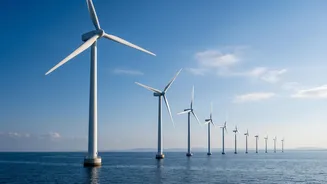
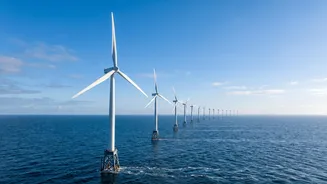
The impact of blue bonds extends beyond just bricks and mortar. By creating a dedicated funding stream for water-related projects, they can accelerate the development of India's entire blue economy. This includes modernising ports, promoting sustainable fishing practices to protect livelihoods, and even supporting emerging sectors like offshore renewable energy. Successfully issuing blue bonds would also enhance India's credibility in the global sustainable finance market, attracting more international investment into the country's environmental initiatives. It signals a serious commitment to preserving marine ecosystems, which are vital for food security and climate regulation. Furthermore, the transparency and reporting requirements associated with these bonds help ensure that the money is used effectively and reduces the risk of 'blue-washing'—where environmental claims are exaggerated.
What Are the Challenges Ahead?
Despite the immense potential, the path for blue bonds in India is not without obstacles. As a relatively new asset class globally, there's a need to build clear, standardised frameworks to define what qualifies as a 'blue' project. This is crucial for building investor confidence and ensuring funds are channelled to genuinely impactful initiatives. There have been concerns, for example, about early SEBI proposals that included oceanic mining, an activity many ESG investors would not support. Another challenge is creating a sufficient pipeline of credible, large-scale projects that are ready for investment. Finally, there needs to be greater awareness among both issuers and investors about the opportunities and mechanics of blue bonds to help the market grow successfully.