




Pre-Travel Vet Visit and Prep
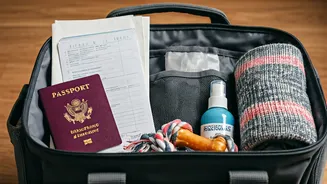
Before you even think about packing, schedule a visit to the vet. The monsoon season brings a higher risk of pests and water-borne diseases. Ensure your pet’s vaccinations, especially for conditions like leptospirosis, are up-to-date. This is also the time
to stock up on vet-recommended flea and tick preventatives, as these parasites thrive in humid conditions. If you're crossing state lines, ask your vet for a health certificate. Finally, research your route and destination thoroughly. Call hotels ahead to confirm their pet policies, and identify potential rest stops and emergency vets near your destination.
The Ultimate Monsoon Packing Kit
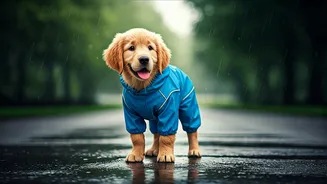
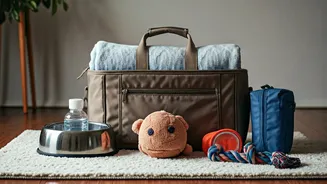
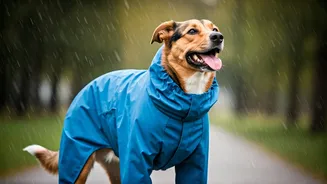
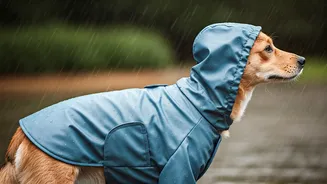
Your pet’s travel bag needs a few monsoon-specific additions. A high-quality waterproof raincoat and pet-safe boots are non-negotiable to keep your companion dry and protect their paws from muddy, rough surfaces. Pack several highly absorbent microfiber towels and drying mitts for quick wipe-downs after every break. A waterproof car seat cover or hammock is a lifesaver for protecting your vehicle's interior from muddy paws and wet fur. Also, pack a comfortable, waterproof mat or a raised bed to give them a dry place to rest both in the car and at your destination.
Food, Water, and Hygiene on the Go
Tummy upsets are common during travel, so stick to your pet’s regular food and feeding schedule as much as possible. Pack enough food for the entire trip, plus a couple of extra days' worth in case of delays. Carry plenty of clean drinking water and a portable, collapsible bowl. Avoid letting your pet drink from puddles or stagnant water, which can be breeding grounds for harmful bacteria. A 'post-walk clean-up' kit is essential. Keep pet-friendly antiseptic wipes, paw sanitiser, and a brush handy to clean paws and fur before they get back in the car.
Safety and Comfort During the Journey
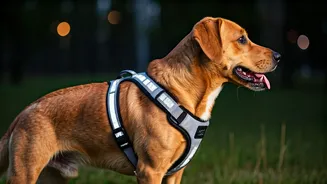
Safety inside the vehicle is paramount. A car safety belt clipped to a harness or a secure, well-ventilated carrier prevents your pet from moving around and reduces injury risk. The sound of heavy rain and thunder can make some pets anxious. Bring along their favourite blanket or toy; the familiar scent can provide comfort and reduce stress. Plan for frequent breaks every two to three hours to allow your pet to stretch, hydrate, and relieve themselves in a safe area. Using a leash with a reflective element can increase visibility during overcast conditions.
Managing Health and Post-Trip Care
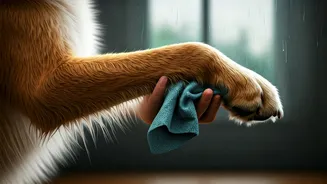
Keeping your pet dry is one of the biggest challenges. Damp fur can lead to skin and fungal infections. After any exposure to rain, dry your pet thoroughly, paying special attention to their paws, ears, and underbelly. Keep an eye out for any signs of illness like lethargy or loss of appetite. Once you return home from your trip, it’s a good idea to give your pet a proper bath with a vet-approved shampoo to wash away any lingering germs or allergens. A thorough check for ticks and leeches after travelling through grassy or wooded areas is also crucial.