




The Science of Sound
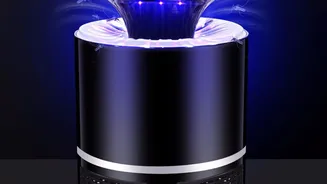
The concept, known as bioacoustic or ultrasonic pest management, is deceptively simple. It uses devices that emit high-frequency sound waves, typically above the range of human hearing (20 kHz and higher). These are not just random noises; the frequencies
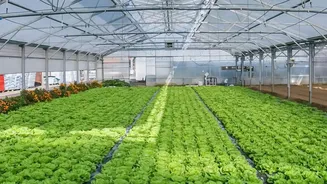
are specifically chosen because they interfere with the biological functions of certain pests. The sound can disrupt their nervous systems, movement, feeding, and even reproductive cycles, effectively making a field an inhospitable environment. Unlike chemical pesticides that can harm beneficial insects and linger in the soil and water, this method offers a targeted approach that is non-toxic and leaves no residue. Researchers are exploring a range of applications, from repelling birds and rodents with audible predator calls to using ultrasonic frequencies to deter insects like whiteflies, thrips, and aphids in greenhouse settings.
From Theory to the Field
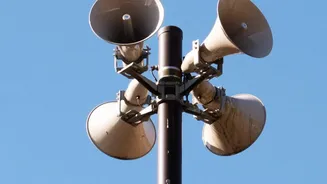
While the idea might sound futuristic, acoustic technology is already being used in various forms. For over 35 years, companies like Bird Gard have used bioacoustic systems—employing a mix of natural bird distress calls and predator sounds—to protect everything from farms to airports. The latest advancements, however, are more nuanced. Some systems now use solar-powered sensors that can detect the presence of an intruder and trigger a specific deterrent sound. More recent innovations involve using AI-powered sensors that can 'listen' for the specific sounds of insects feeding inside a plant, allowing for early detection before significant damage occurs. One study in a greenhouse environment showed that ultrasonic signals between 30-50 kHz could completely eradicate certain pest populations over eight days, showcasing its potential as a pesticide-free alternative. Another field test demonstrated a 60% reduction in rice pests. These results suggest that while the headline's claim to 'eliminate' chemical dependency is ambitious, the technology holds significant promise in drastically reducing it.
The Business of a Chemical-Free Future
The push for alternatives to conventional pesticides is driven by both environmental concern and economic reality. The global pesticide market is a multi-billion dollar industry, but it faces challenges from pest resistance, regulatory bans on certain chemicals, and growing consumer demand for organic and residue-free food. Acoustic pest control enters this market as a potentially disruptive force. For farmers, the long-term savings could be substantial. While the initial investment in ultrasonic generators or sensor networks exists, the devices can reduce costs associated with chemical purchases, labor for spraying, and crop loss. Furthermore, by avoiding chemical treatments, farmers may gain easier access to lucrative organic markets. This shift represents a move toward integrated pest management (IPM), where different methods are combined for sustainable and effective crop protection.
Hurdles on the Horizon
Despite its promise, sound-based crop protection is not a silver bullet just yet. One of the main challenges is that its effectiveness can vary significantly based on the target species, the environment, and the specific technology used. Background noise, temperature, and humidity can all affect how well sound travels and impacts pests. The range of the acoustic signals is often limited, weakening over distance, which may require a network of devices for large-scale farms. Furthermore, some scientific evaluations of older, consumer-grade ultrasonic devices have found them to be ineffective, meaning professional, field-tested systems are critical for success. The cost and scalability of deploying these systems across vast agricultural landscapes remain key questions for developers and farmers alike. More research and field validation are needed to refine the technology for different crops and pests and make it a consistently reliable tool.