



Jim Corbett National Park, Uttarakhand
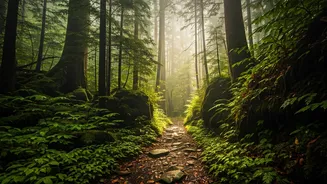
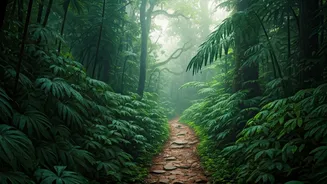
While many associate safaris with peak seasons, a monsoon trip to Jim Corbett offers a different kind of magic. [5] The park, India's oldest, becomes a lush, emerald paradise where the focus shifts from just wildlife sightings to soaking in the serene,
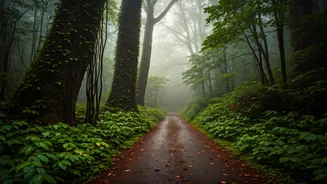
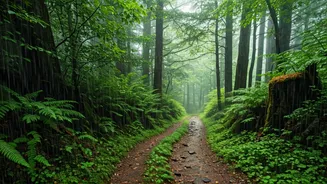
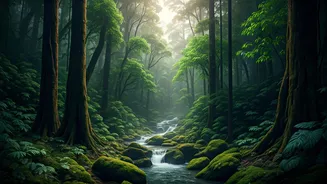
rain-washed atmosphere. [5, 7] With fewer crowds, the experience feels more intimate and peaceful. [7] Though some core zones are closed, buffer areas like Jhirna and Dhela remain open, offering opportunities to see wildlife against a stunningly green backdrop. [5, 9] The Jhirna zone, open year-round, is particularly rewarding, with pathways lined with fresh undergrowth and frequent sightings of wild boars, deer, and elephants. [7, 11] It's a time for leisurely drives, listening to the rhythm of the rain, and enjoying the forest in its most rejuvenated state. [5]
Valley of Flowers, Uttarakhand
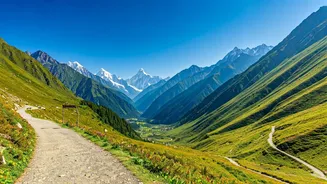
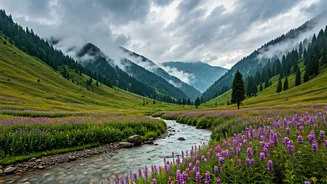
Aptly named, this UNESCO World Heritage Site is a destination practically designed for the monsoon. [15, 19] Between July and September, the valley explodes into a vibrant carpet of over 500 flower species, a spectacle that owes its existence to the seasonal rains. [15, 19] Trekkers are greeted with breathtaking displays of blue poppies, primulas, marigolds, and the rare Brahma Kamal. [14, 15] The monsoon enhances the entire experience, with misty mountains, gushing waterfalls, and a refreshingly cool climate making the trek feel like a journey through a fairytale. [15] Despite concerns about rain, the trail is well-managed and the trek is considered safe, offering a unique adventure where the destination is a floral paradise in full bloom. [12]
Great Himalayan National Park, Himachal Pradesh
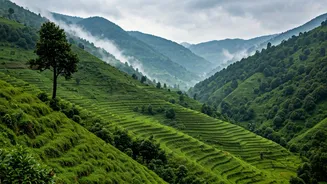
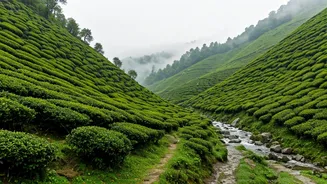
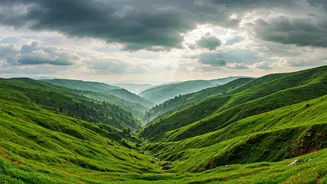
This UNESCO World Heritage site in Himachal Pradesh showcases the raw beauty of the Himalayas. During the monsoon months of July to September, the park receives significant rainfall, which is vital for its rich biodiversity, including rare medicinal plants and endangered animals. [4] While heavy rains can make some high-altitude treks challenging, the lower valleys transform into a lush, green wonderland. [4, 18] The Tirthan Valley, part of the park's ecozone, is particularly enchanting during this time, with gushing rivers and misty forests. It’s an ideal time for those who appreciate verdant landscapes and the quiet solitude of the mountains. Short treks to waterfalls or through dense forests offer a chance to connect deeply with nature's rhythm. [18]
Binsar Wildlife Sanctuary, Uttarakhand
For those seeking a quieter, more offbeat monsoon escape, Binsar Wildlife Sanctuary is a perfect choice. Nestled in the Kumaon hills, this sanctuary unveils a unique charm during the rainy season. [6] The dense forests of oak and rhododendron become shrouded in mist, creating an ethereal atmosphere. While wildlife sightings can be a matter of chance, the monsoon amplifies the sounds and smells of the forest, making for a deeply immersive experience. [6] It’s home to leopards, deer, and hundreds of bird species. The trails are less crowded, allowing for peaceful walks amidst the clouds, with panoramic views of the Himalayan peaks like Nanda Devi and Trishul appearing when the skies clear. [6]
Khajjiar, Himachal Pradesh
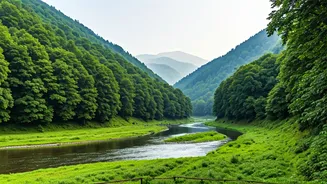
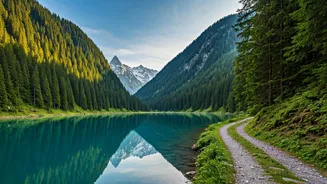
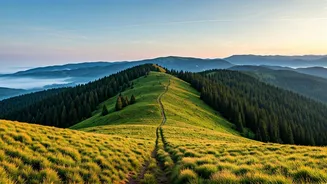
Often called the 'Mini Switzerland of India', Khajjiar’s beauty is amplified during the monsoon. [3] The rolling green meadows, central lake, and dense deodar forests take on a fresh, vibrant look under the cloudy skies. The gentle rain washes the landscape clean, leaving behind a glistening, emerald-green carpet. [3] It’s a perfect spot for leisurely walks, horse riding around the meadows, or simply relaxing and enjoying the serene environment. The Kalatop Wildlife Sanctuary nearby also offers peaceful trails through its rich flora and fauna, making Khajjiar a refreshing retreat for those looking to enjoy the romance of the rains in a picturesque setting. [3]