





What is Corn Husk Litter?
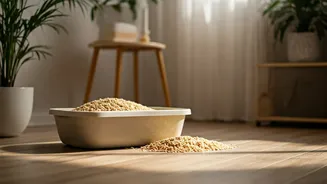
Imagine a cat litter made not from mined clay or chemical crystals, but from a simple, annually renewable resource: corn. Biodegradable corn litter is exactly that. It's typically made from the leftover parts of the corn plant—cobs, kernels, or husks—that
would otherwise be discarded after the harvest. This plant material is compressed into pellets or granules, creating a litter that is natural, lightweight, and free from the synthetic fragrances and chemicals often found in traditional options. It’s a clever use of agricultural by-products, turning potential waste into a highly effective and useful product for your home.
The Eco-Friendly Advantage
The primary appeal of corn litter is its environmental benefit. Traditional clay litters are made from bentonite clay, which is obtained through strip mining—a process that scars landscapes and destroys natural habitats. Clay litter is also not biodegradable; every scoop you throw away sits in a landfill indefinitely. Silica gel litters, while effective, are also synthetically produced and non-biodegradable. Corn litter, on the other hand, is a game-changer. Sourced from a renewable crop, it’s 100% biodegradable. When disposed of properly (and not in municipal compost bins unless specified), it breaks down naturally, significantly reducing your pet's contribution to landfill waste. This simple switch can dramatically shrink your household’s environmental paw-print.
Benefits for Your Cat and Home
The advantages of corn litter extend beyond sustainability. Many veterinarians and cat owners report that it's a healthier option for your pet. Unlike clay litters, which can kick up fine silica dust that can be inhaled by both cats and humans, corn litters are virtually dust-free. This is a huge plus for cats with asthma or respiratory sensitivities. Furthermore, corn litter is soft on paws, making it a more comfortable choice for kittens, senior cats, or those with sensitive feet. For you, the benefits are just as tangible. Corn litter is significantly lighter than clay, making that trip from the store to your home much easier. It's also highly absorbent and often excels at natural odour control by trapping ammonia smells within its fibres without relying on artificial perfumes.
Things to Consider Before Switching
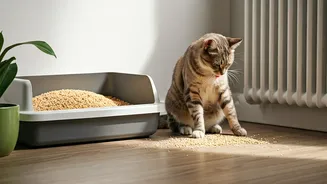
While corn litter has many upsides, it’s important to be aware of a few potential drawbacks. The price point can be higher than budget-friendly clay litters, though many users find that it lasts longer, balancing the cost over time. Some cats, being creatures of habit, may be hesitant to switch. The texture is different from what they might be used to, and a gradual transition is key. Also, because it's a food-based product, it’s crucial to store it in a sealed, dry container to prevent moisture and deter any curious insects. Finally, some lightweight formulas might track outside the litter box more than heavy clay, so placing a mat at the entrance of the box is a good idea.
How to Make a Smooth Transition
Switching your cat’s litter requires a little patience. Abrupt changes can lead to litter box avoidance, which no one wants. The best method is a gradual one over 7-10 days. Start by mixing a small amount of the new corn litter (about 25%) with your cat’s old litter (75%). If your cat uses the box without issue, increase the ratio every couple of days, adding more corn litter and less of the old kind. By the end of the week, you should be at 100% corn litter. Pay attention to your cat's behaviour throughout the process. A little encouragement and a slow, steady introduction will set you both up for success in your new, eco-friendly routine.