

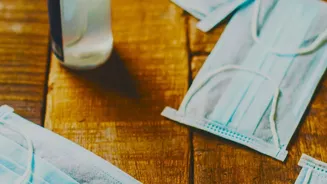
As masks continue to be a tool for protecting respiratory health, ensuring children wear them correctly is only half the battle. A mask’s effectiveness plummets when it becomes dirty, damp, or damaged. Here’s what every parent needs to know.
Why a Clean, Dry Mask is Crucial
A mask serves
as a physical barrier, trapping respiratory droplets. Its effectiveness, however, depends entirely on its condition. A dirty mask can become a breeding ground for bacteria, potentially leading to skin irritation or other issues. More importantly, a compromised mask may not provide the intended level of protection. The World Health Organization (WHO) and other health bodies advise against wearing masks that are dirty or wet. While some studies show wet masks can still block droplets, they are harder to breathe through and may be less efficient at filtering inhaled air. Especially for active children, a damp mask from sweat, breath, or weather can become uncomfortable and less effective. A clean, dry, and well-fitting mask is the standard for safety.
When to Immediately Replace a Mask
A mask isn't meant to be worn indefinitely. Disposable masks are designed for single use and should be thrown away after being worn for a few hours or once they become soiled or wet. For reusable cloth masks, daily washing is the baseline recommendation. You should have enough masks for your child so that a fresh, clean one is always available. It's wise to pack a spare mask in your child's bag in case the one they are wearing gets dirty during the day. If a mask becomes visibly soiled with food, dirt, or other substances, it should be replaced as soon as possible. This not only maintains hygiene but also ensures the mask remains a comfortable and effective barrier.
Checking for Damage: A Daily Habit
Physical damage can render a mask useless. Before your child puts on a mask, do a quick visual inspection. Look for signs of wear and tear such as frayed edges, thinning fabric, or small holes. These can compromise the mask's filtering ability. The straps and seams are also critical points of failure. Check that the ear loops are not stretched out or that the ties have not lost their tension, as a loose mask will not create a proper seal. For masks with a built-in nose wire, ensure it still holds its shape to fit snugly against the bridge of the nose. If any part of the mask is broken, cracked, or permanently distorted, it's time to discard it and use a new one.
Proper Mask Storage and Hygiene
How a mask is handled and stored is just as important as cleaning it. Teach children to handle their masks only by the ear loops or ties, avoiding touching the front surface which may be contaminated. When a mask needs to be taken off for eating or drinking, it shouldn't be placed in a pocket or purse. Instead, it should be stored in a clean, breathable container like a labeled paper or mesh bag. Wet or dirty masks should be kept in a separate, sealed plastic bag until they can be washed to prevent mould and cross-contamination. Always wash hands before putting on and after taking off a mask.
Making Mask‐Wearing Easier for Kids
For a child to keep a mask on, it must be comfortable. The best mask for a child is one that fits well, covering their nose, mouth, and chin without gaps. A mask with poor breathability will likely be pulled down or removed. In India's varied climates, lightweight and breathable fabrics like tightly woven cotton can improve comfort. It's also helpful to have your child practice wearing their mask at home to get used to it. By making proper mask care a normal part of the daily routine, parents and caregivers can empower children to stay protected. When adults model good mask hygiene, children are more likely to follow their lead.