






The Key to Your Claim
You’ve done the responsible thing and bought travel insurance for your trip. But when your flight is delayed for hours, you learn that getting your money back for extra expenses isn't automatic. Most travel insurance policies in India that cover flight delays
are reimbursement-based. This means you first pay for necessary expenses like food, drinks, or even a hotel room out of your own pocket, and then file a claim to get that money back. However, to approve your claim, the insurer needs undeniable proof that the delay happened, for how long, and why. A screenshot of an SMS or an app notification is rarely enough. They require an official document from the source of the delay: the airline itself.
What Is a Flight Delay Certificate?
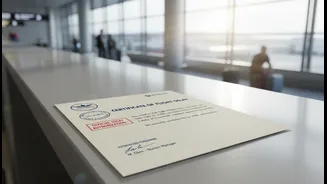
A flight delay certificate is an official letter or statement issued by an airline that confirms a specific flight was delayed. Crucially, this document specifies the flight number, date, original and actual departure or arrival times, and, most importantly, the reason for the delay. Insurers need this level of detail to verify that your claim is valid under the terms of your policy. For example, policies have minimum delay thresholds, often between three and twelve hours, before coverage kicks in. The certificate provides the hard evidence of this duration. It also helps the insurer confirm the delay was due to a covered reason, such as a technical issue or bad weather, and not something they exclude.
How to Get the Certificate
The single most important rule is to request this document while you are still at the airport. It is significantly harder to obtain after you have left. Approach the airline’s customer service desk, ticketing counter, or gate agents and specifically ask for a “delay certificate” or “delay confirmation letter” for your insurance claim. Be persistent but polite. Airline staff are often busy during disruptions, but this document is a standard requirement they should be able to fulfil. Some airlines, like Emirates or Delta, also have online forms you can fill out to request a certificate after the fact, but this can take weeks and is best used as a backup plan. When you make the request, have your boarding pass and booking details ready.
Know Your Policy Before You Fly
The best time to figure out your insurance requirements is long before you get to the airport. Before you purchase a policy, or if you already have one, take the time to read the section on trip delays. Look for the list of required documents for a claim. Words to search for include “trip delay,” “missed connection,” and “claim documentation.” This section will explicitly state if a confirmation from the airline is needed. Understanding this beforehand allows you to act quickly and confidently if a delay occurs. It’s also wise to check if your policy covers domestic flight delays at all, as this is often an optional add-on or bundled primarily with overseas plans.
What If the Airline Refuses?
While airlines should provide this document, you might encounter difficulties during chaotic situations. If you cannot get the official certificate, you must build a case with supporting evidence. Keep your original and new boarding passes, take screenshots of the flight status on the airport departure boards and the airline's official app, and save all communication from the airline, such as emails or text messages about the delay. Also, keep every single itemised receipt for expenses you incur, as you will need these for your claim regardless. When you file your claim, submit all this evidence along with a written explanation of your attempts to get the official certificate. While not a guarantee, it strengthens your position.