



In a whirlwind 11 days that saw its iconic founder resign and then be dramatically reinstated, Nvidia finds itself at the center of a storm involving espionage allegations and profound questions about its role in global geopolitics.
An Unprecedented Leadership Crisis
The saga began on November
12, 2026, when Jensen Huang, the co-founder who has led Nvidia for over three decades, abruptly resigned as CEO. The move followed reports and Huang's own admission of an extramarital affair with a businesswoman whom U.S. intelligence agencies suspect of being an operative for Chinese intelligence. The allegations suggested a potential plot to gain influence over Huang and insight into Nvidia's strategy, particularly concerning U.S. export controls on advanced AI chips to China. The company's board launched an independent investigation and appointed an interim CEO, signaling a new and uncertain era for the world's most critical AI chipmaker.
The Geopolitics of a Microchip
At the heart of the controversy is the immense strategic value of Nvidia's technology. Its advanced processors are the foundational building blocks for the artificial intelligence ecosystem, making the company not just a commercial giant but a geostrategically indispensable actor. For years, Washington has sought to limit China's access to these high-performance chips, viewing them as critical to national security and military advancement. The allegations of a Chinese intelligence operation targeting Nvidia's CEO have therefore escalated concerns, prompting fears that even with export controls, sensitive information or technology could be compromised. The scandal has put a harsh spotlight on the 'remote computing' loophole, where Chinese firms might bypass chip bans by renting computing power from data centers in other countries, allegedly a tactic involving the company linked to the espionage claims.
A Shocking Reversal
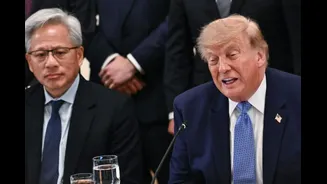
The leadership crisis took another stunning turn on November 23, when Nvidia's board unanimously voted to reinstate Jensen Huang as CEO. In its announcement, the board stated it was satisfied with Huang's candor and had received input from 'senior levels of the United States government' that his return posed no national security risk. This extraordinary reversal came after apparent political pressure, including a public endorsement from President Donald Trump, who called Huang a 'great patriot and national treasure' and urged the board to bring him back. The decision sent Nvidia's stock soaring but also drew sharp criticism for what some called a 'humiliating U-turn' that undermined the board's independence.
Scrutiny and New Safeguards
Despite Huang's return, the company remains under intense scrutiny. Nvidia has emphasized that its internal investigation into the potential foreign intelligence effort will continue to completion. In a move to reassure Washington and Wall Street, the board has also established a new National Security and Export Control Oversight Committee, composed of independent directors, to oversee its compliance and risk management. The company is also creating a new Chief Compliance Officer position. However, several U.S. lawmakers remain unconvinced, questioning the basis for the national security clearance and emphasizing that congressional oversight will continue.
The View from India
For India's burgeoning tech industry and its own semiconductor ambitions, the drama at Nvidia is more than just a corporate spectacle. It underscores the intense geopolitical risks now embedded in the global technology supply chain. As Indian companies and the government push to build domestic AI capabilities, the episode serves as a powerful case study on the vulnerabilities faced by even the most dominant players. The incident highlights the critical importance of robust corporate governance and security protocols, especially for companies and executives operating at the intersection of commercial interests and national security. The U.S.-China tech rivalry, which is at the core of this crisis, will continue to create turbulence that Indian firms must navigate carefully.