




Fabric Is Your First Defence
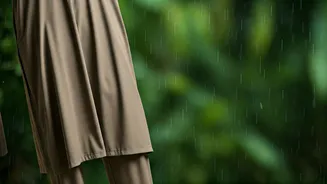
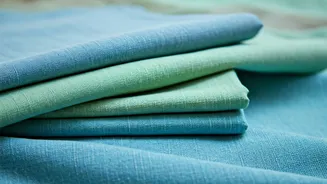
The single most important choice you'll make is your fabric. High humidity and rain demand materials that are breathable and quick-drying. While pure cotton is a summer staple, it absorbs moisture and takes a long time to dry during the monsoon, which
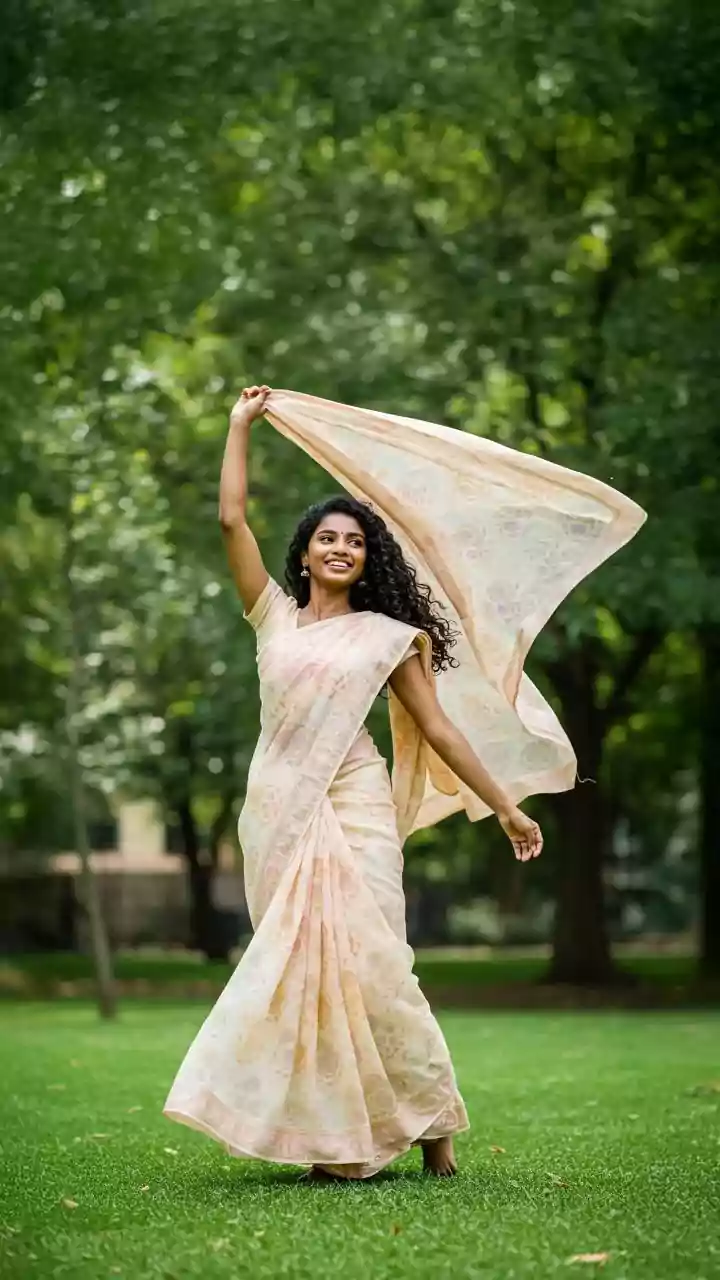
can lead to a heavy, clingy feeling and potential fungal growth. Instead, opt for lightweight and airy fabrics like rayon, georgette, and crepe. These materials don't stick to your skin, dry quickly, and drape beautifully even when damp. Cotton-polyester or other synthetic blends are also a practical choice, offering the comfort of cotton with the water-resistant properties of synthetics. For ethnic wear, light options like chanderi or modal work well, while heavy silks and velvets should be avoided as they are prone to water stains.
Raise Your Hemlines
Navigating waterlogged streets and muddy puddles is a monsoon reality. The easiest way to protect your clothes is to choose shorter hemlines. Swap your floor-length maxis and long trousers for knee-length dresses, skirts, culottes, and capris. These styles are not only practical for avoiding splashes but also allow for better air circulation, keeping you cooler in the humid weather. Shorter kurtis paired with ankle-length or cigarette pants are a great option for a functional yet traditional look. This simple adjustment prevents your outfit's bottom from getting soaked and stained, saving you from the hassle of intensive cleaning later.
Choose Colours Wisely
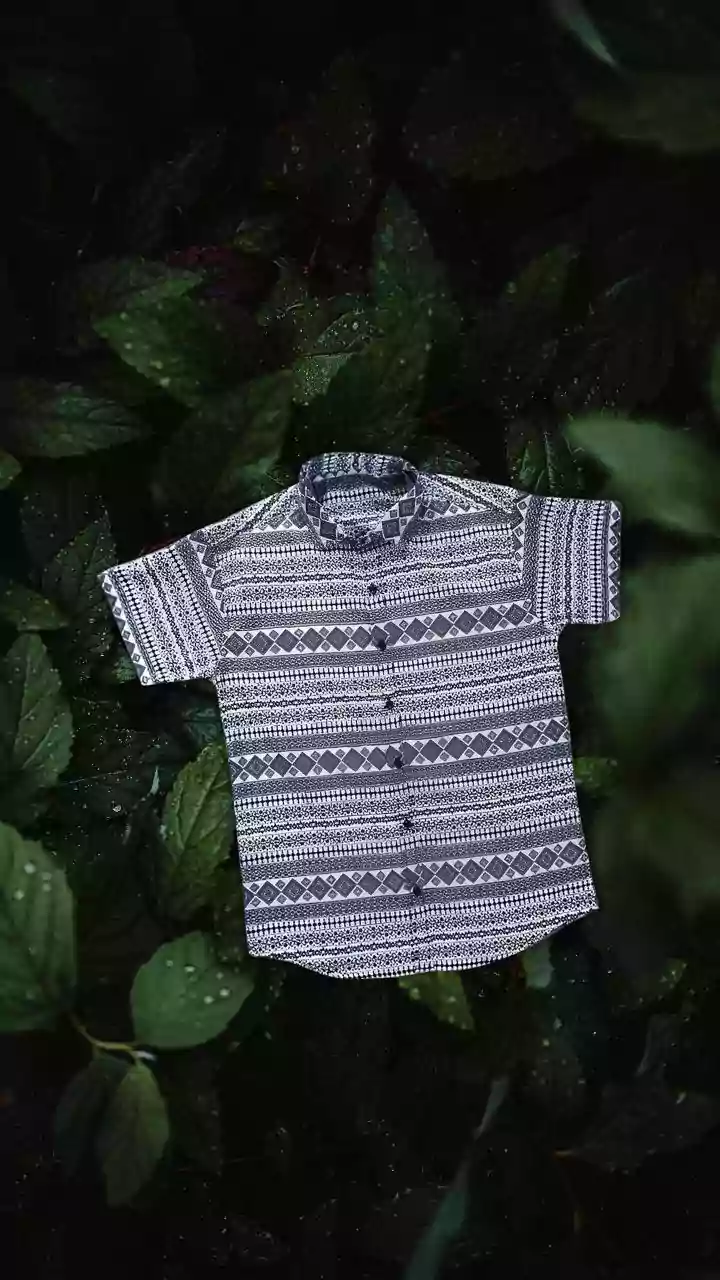
Gloomy, overcast days are the perfect backdrop for vibrant, cheerful colours. Bold hues like yellow, pink, cobalt blue, and coral can lift your spirits and make a stylish statement. Prints are also your friend during the monsoon, as they are excellent at camouflaging any accidental mud splashes or water marks. While it might seem intuitive to wear dark colours to hide dirt, they can also absorb heat on humid, sunny days. It's best to avoid all-white or very light pastel outfits, as they show stains immediately. A balanced approach with bright printed tops and darker, solid-coloured bottoms often works best.
Smart Footwear Is Non-Negotiable
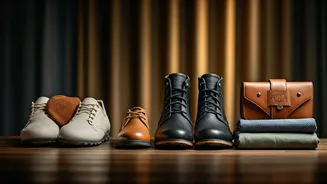
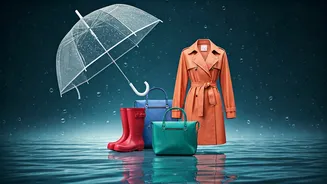
Your footwear choice can make or break your comfort and safety during the monsoon. Leather, suede, and canvas shoes are a definite no, as they get ruined by water and take forever to dry. The best options are waterproof and have anti-slip soles to provide a good grip on slippery surfaces. Rubber boots, floaters, jelly flats, and waterproof sandals are excellent choices. Brands now offer a wide variety of stylish waterproof footwear, from chic clogs to elegant slip-ons, so you don't have to sacrifice style for function. These shoes are easy to clean, dry quickly, and prevent foot infections that can arise from wearing damp shoes.
Accessorise with a Practical Touch
Monsoon is the time for minimalist accessories. Heavy metal jewellery can feel uncomfortable in the humidity, so opt for lighter plastic or beaded pieces. Swap your expensive leather handbag for a stylish waterproof tote or a nylon backpack that can protect your belongings from a sudden shower. A vibrant, colourful umbrella can be a fashion statement in itself. When it comes to hair and makeup, the goal is to beat the humidity. Opt for waterproof mascara and eyeliner. Simple, tied-back hairstyles like ponytails, buns, or braids will keep your hair manageable and frizz-free.
Care for Your Clothes
Proper clothing care is crucial during the rainy season to prevent musty smells and mildew. Always ensure your clothes are completely dry before storing them. If drying outdoors isn't possible, use a fan or an indoor drying rack in a well-ventilated room. Ironing your clothes before putting them away helps remove any lingering dampness. To tackle mud stains, act quickly. Scrape off any excess mud, pre-treat the stain with detergent, and wash as soon as possible. Placing moisture absorbers like silica gel packets or charcoal bags in your wardrobe can also help combat dampness and keep your clothes fresh.