






Your Digital Command Centre
Before you even step out, your smartphone is your most powerful tool. A smart commute begins with real-time information. Apps like m-Indicator are essential for every Mumbaikar, offering live tracking of local trains, bus routes, and even a chat feature
to get updates from fellow commuters. The official YATRI app from Central Railway is another reliable source, providing announcements straight from the control room, including delays, cancellations, and alternative routes. For road travel, Google Maps provides live traffic data and will suggest reroutes around congestion. The Brihanmumbai Municipal Corporation's (BMC) Disaster Management app sends push notifications for traffic diversions, waterlogging alerts, and the status of all transport services. Rounding out your toolkit, a weather app like Windy can show you detailed rain forecasts, helping you plan around the heaviest downpours.
Mastering The Lifeline: Local Trains
Mumbai's local trains are its backbone, but they are also vulnerable to waterlogging on the tracks. Low-lying sections, particularly around Sion, Kurla, and on the Harbour Line, are often the first to be affected, leading to delays or suspensions. Checking the live status on an app before leaving can save you from getting stranded on a crowded platform. If services are disrupted, the Mumbai Metro can be a reliable alternative, as it is less susceptible to flooding, though you should expect larger crowds as people shift from road and rail. During heavy rain, platforms can become extremely slippery and crowded. Rushing to catch a departing train is more dangerous than usual; it's always better to wait for the next one. For those travelling late at night, some apps include SOS features for added safety.
Navigating The Roads: Buses and Cabs
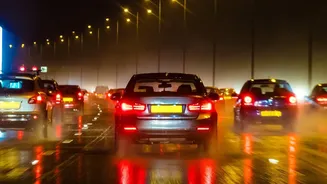
When the trains falter, many turn to the roads, but this comes with its own set of challenges. The BMC has identified numerous chronic waterlogging hotspots across the city. Areas in the Mithi river basin like Kurla, Santacruz, and BKC are frequently affected, as are parts of Malad, Borivali, and Kandivli. In South Mumbai, even areas not traditionally known for flooding, such as Churchgate and near Mantralaya, have seen significant waterlogging in recent years. It is crucial to avoid these routes if possible. BEST buses often alter their routes to navigate around flooded areas, and apps like Chalo can provide real-time bus tracking. Ride-hailing services will see a surge in demand and pricing. If you must take a cab or auto, be prepared for longer wait times and higher fares. For those driving their own vehicles, extreme caution is advised. Slow down, maintain a safe distance, and never drive through water if you cannot see the road surface beneath it—it could be hiding open manholes or deep potholes.
The Analogue Approach: Practical Wisdom
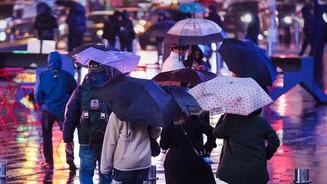
Technology is a great help, but old-school wisdom still holds true. The most important rule is to give yourself extra time—at least 30 extra minutes is a good rule of thumb. Your choice of attire can make a huge difference. Opt for waterproof footwear with a strong grip to avoid slips on wet, slick surfaces. Pack a 'monsoon kit' for your bag: a waterproof pouch or zip-lock bag to protect electronics, a power bank for your phone, a lightweight raincoat, and perhaps a spare pair of dry socks. Finally, never underestimate the power of community. Mumbaikars are known for helping each other out. If you see someone slip, lend a hand. If you hear a rumour about transport, verify it before spreading it. This collective spirit is often what keeps the city moving.