



Understanding 'Damp-Coat Dermatitis'
While not a formal veterinary term, “damp-coat skin allergies” refers to a group of real medical conditions aggravated by moisture trapped in a dog’s fur. When a dog's coat remains wet, especially in humid weather, it creates a warm, moist environment
where bacteria and yeast can thrive. This can lead to several common problems, including pyotraumatic dermatitis, better known as “hot spots.” These are painful, red, and oozing sores that can appear suddenly and grow rapidly. Another common issue is Malassezia dermatitis, a yeast infection that causes greasy, itchy, and thickened skin with a distinct musty odor. Underlying allergies can make a dog more susceptible to these flare-ups.
Key Signs and Symptoms to Watch For
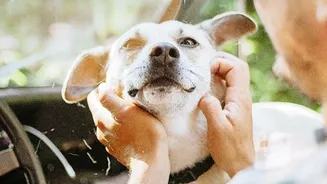
Vigilant owners can catch skin issues before they become severe. The first sign is often a change in your dog's behavior. Look for persistent scratching, licking, or chewing at a specific spot. You may also notice your dog rubbing its body against furniture to relieve an itch. Visual cues include redness and inflammation, especially in skin folds, paws, armpits, and ears. You might see raised bumps, scabs, or areas of hair loss. A key indicator of a problem is a foul or musty smell coming from the skin or ears. In the case of hot spots, the skin will look raw and moist, sometimes with pus or discharge.
The Urban Challenge: Why City Dogs Are at Risk
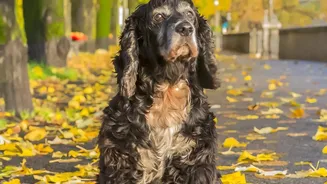
Urban environments present unique challenges for keeping dogs dry. Pavement and concrete don't absorb water, meaning every rainy walk involves splashing through puddles that soak your dog’s belly and paws. Apartment living often means less space and airflow for a dog to air-dry naturally. High indoor humidity, combined with a wet coat, can easily trigger skin problems. Furthermore, long-haired or double-coated breeds are particularly vulnerable because their thick fur traps moisture against the skin, making complete drying difficult. Even a damp collar or harness left on after a walk can create a perfect breeding ground for bacteria.
Immediate At-Home Care and Prevention
Prevention is the most effective strategy. The number one rule is to dry your dog thoroughly after every single walk in the rain, swim, or bath. For most dogs, a vigorous towel-drying is a good start, but don't just skim the surface. Use an absorbent microfiber towel and gently squeeze the fur, paying special attention to the belly, armpits, paws, and ears. For dogs with thick undercoats, a pet-safe blow dryer on a low, cool setting is essential to ensure the skin gets completely dry. Regular grooming is also key; brushing prevents matting that can trap moisture. In your home, using a dehumidifier can help maintain indoor humidity levels between 55% and 60%, making the environment less friendly to yeast and fungi.
When to See the Veterinarian
While diligent home care can prevent many issues, some conditions require professional medical treatment. If you notice a hot spot, it's wise to contact your vet. Treatment often involves clipping the hair around the lesion to allow it to dry, cleaning it with an antiseptic solution, and applying topical medications. For yeast or bacterial infections, your veterinarian may prescribe medicated shampoos, oral antibiotics, or anti-fungal drugs. It's crucial not to use human medications like Neosporin or hydrocortisone cream on your dog, as they can be ineffective or even harmful if ingested. If your dog's symptoms are severe, don't improve, or are causing significant pain, a veterinary visit is essential to get an accurate diagnosis and effective treatment plan.