




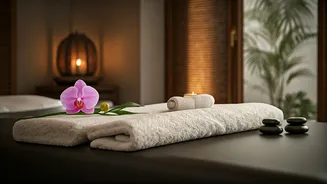




The Anti-Itinerary Vacation
Forget the 6 a.m. alarms for museum tours, the frantic dashes across cities to hit five landmarks before lunch, and the colour-coded spreadsheet detailing every moment. The 'do-less' holiday, sometimes called a 'nothing-cation', is its philosophical opposite.
The core idea is simple: the goal of a holiday is to return rested, not to collect a series of experiences to perform on social media. It prioritises unstructured time, slowness, and genuine relaxation over a packed schedule. It’s the freedom to wake up without a plan, to spend an afternoon reading a book by a pool, or to simply wander a new neighbourhood with no destination in mind. This isn't about being lazy; it's a conscious choice to disconnect from the culture of constant productivity and optimisation that defines modern life.
A Cure for Millennial Burnout
Millennials, more than any generation before them, were raised on the gospel of the hustle. They entered the workforce during economic downturns, were told to 'follow their passion' (often for low pay), and became fluent in the language of side-gigs and constant self-optimisation. The result is a well-documented epidemic of burnout. The lines between work and life have blurred, thanks to smartphones that keep them tethered to their jobs 24/7. For this generation, the idea of using precious annual leave to execute another high-stress, high-performance project—even a fun one like a holiday—is exhausting. A do-less holiday isn't just a preference; it's a form of recovery. It’s a direct response to a life spent feeling overworked, under-rested, and perpetually 'on'.
Rejecting the Experience Economy
For years, the travel industry has pushed the 'experience economy'—the idea that consumers, particularly young ones, crave unique activities and memorable adventures over material goods. This led to a boom in 'Instagrammable' travel, where the visual proof of the experience became as important as the experience itself. But the pressure to curate a perfect-looking life has its own psychic costs. The do-less holiday is a quiet rebellion against this. It rejects the notion that leisure time must also be productive or performative. The joy isn't in the photo of the sunset, but in the simple, un-documented act of watching it. It’s a shift from 'What can I post about?' to 'How does this actually make me feel?' This represents a maturation of the Millennial mindset, valuing internal peace over external validation.
What It Looks Like in Practice
So what does a 'nothing-cation' actually involve? It can be as simple as booking a comfortable stay in a single location—be it a quiet beach resort, a cabin in the hills, or a nice city apartment—and resisting the urge to plan. The itinerary might consist of 'sleep in,' 'find good coffee,' 'read,' and 'take a nap.' It’s about reducing 'decision fatigue,' the mental drain from making countless small choices. Instead of researching the top 10 restaurants, you might just stroll until you find a place that looks inviting. Instead of a multi-city European tour, you might spend a week getting to know one neighbourhood in one city. The focus is on presence and contentment rather than achievement.
The True Luxury Is Rest
In a world that glorifies being busy, choosing to do nothing is a radical act of self-care. The ultimate benefit of a do-less holiday is that you can return home feeling genuinely rejuvenated, not needing a 'vacation from your vacation.' It allows the nervous system to calm down and the mind to wander freely, which can often lead to more creativity and clarity than a forced schedule ever could. For a generation that has spent its adult life navigating economic precarity and the pressures of a digital world, the ability to switch off is no longer a luxury—it’s a necessity. The do-less holiday acknowledges that the most valuable resource we have is our own energy, and that sometimes, the best way to spend it is to not spend it at all.