








The Connectivity Boom
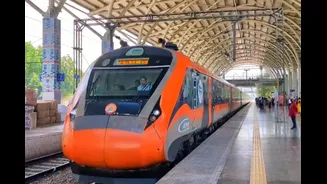
In 2026, India is witnessing an unprecedented expansion in its transportation infrastructure. Airlines are launching new routes faster than ever, particularly from Tier-2 and Tier-3 cities, while Indian Railways is rolling out its next-generation Vande
Bharat Sleeper trains on long-distance corridors. This isn't just about adding more flights or trains; it's a strategic move to build a denser, more interconnected national network. The government's push to decongest major hubs like Delhi and Mumbai has encouraged airlines to open international gateways in cities like Indore and Guwahati. At the same time, new policies like the hub-and-spoke model, first launched in Varanasi, allow passengers from smaller cities to complete immigration locally and seamlessly connect to international flights from major airports, keeping transit traffic within India. This two-pronged approach—direct international flights from smaller cities and smoother domestic-to-international transfers—is creating a multiplier effect across the country.
The Frequency Factor
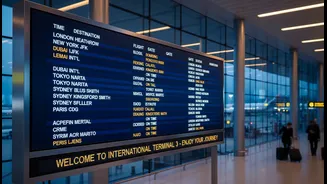
For business travelers and time-sensitive cargo, the number of connections is as important as the connection itself. Increased frequency on key routes delivers immense value by offering flexibility and reducing transit times. For instance, IndiGo's recent launch of daily non-stop services between Kolkata and Shanghai, alongside resumed services to Guangzhou, strengthens the business corridor between eastern India and China. Similarly, Air India Express has been rapidly adding new flights to the Gulf from cities like Indore, Lucknow, and Guwahati, reflecting the high demand on these routes. More flights per day or week mean businesses can plan last-minute travel, respond faster to market opportunities, and manage supply chains with greater precision. This enhanced frequency reduces the economic friction caused by long waits and inconvenient schedules, directly boosting productivity and trade.
Unlocking New Markets Through Access
Perhaps the most transformative aspect of this expansion is the new access being provided to previously underserved regions. The launch of direct international flights from cities like Guwahati to Dubai and Abu Dhabi is a game-changer for India's northeastern states, whose residents previously had to travel via Kolkata or Delhi for overseas flights. Similarly, the restoration of international flights from Indore to Abu Dhabi has re-established a crucial link for Central India to the global network. This new access isn't limited to aviation. The introduction of Vande Bharat Sleeper trains, starting with the Howrah-Kamakhya (Guwahati) route, is set to enhance premium overnight travel, connecting eastern India with the Northeast more comfortably and efficiently. By connecting these emerging economic centers directly to national and global markets, these new routes unlock latent potential in tourism, trade, and investment, driving balanced regional growth.
Building a Resilient Network
A transport network with limited routes and choke points is fragile. A single disruption—be it weather, technical issues, or maintenance—can cause cascading delays. The current expansion builds resilience by creating redundancy. With multiple travel options and alternative routes, the system can better absorb shocks. The government's hub-and-spoke model, for example, not only adds convenience but also disperses traffic, making the overall network less dependent on a few major airports. In the rail sector, the expanding Vande Bharat network, including proposed long-distance sleeper routes like Mumbai-Bengaluru and Delhi-Mumbai, offers a high-speed alternative to flying, providing passengers and logistics operators with more choices and making the entire transport ecosystem more robust and reliable.