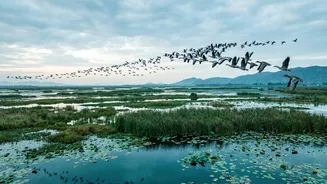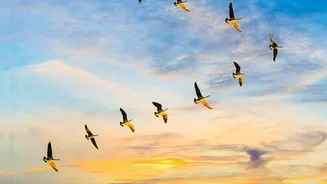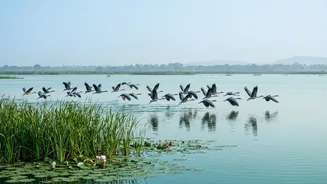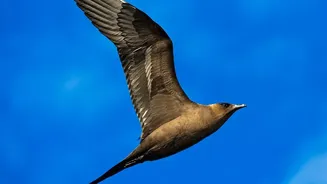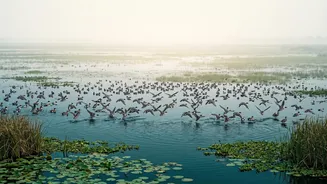







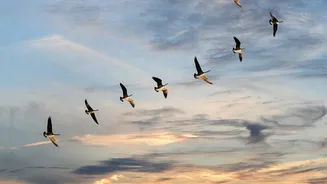
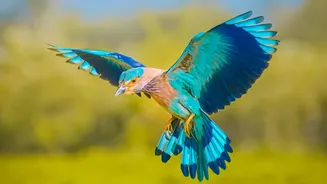
As winter’s chill settles across the northern hemisphere, India’s wetlands, lakes, and coastal plains begin to thrum with new life. This is the season of the great migration, an epic natural spectacle that sees millions of birds journey south.
The Great Escape
For countless
bird species, winter in their breeding grounds across Siberia, Central Asia, Europe, and the Arctic is a brutal test of survival. As temperatures plummet and food sources vanish under snow and ice, instinct kicks in, triggering one of nature's most arduous journeys. These birds embark on a gruelling flight south along ancient, invisible highways in the sky known as flyways. India is strategically positioned at the heart of the Central Asian Flyway (CAF), a vast migration corridor covering 30 countries. This makes the subcontinent an essential wintering destination for over 370 migratory species, offering a warm and welcoming refuge from the harsh northern winter.
A Winter Haven of Plenty
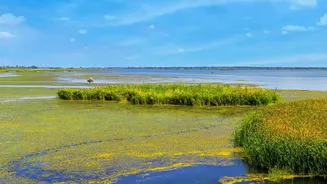
The primary reason these avian travellers undertake such a perilous journey is simple: survival. Indian winters are comparatively mild, and its diverse ecosystems provide the two things they need most—food and safety. The country's thousands of wetlands, from large brackish lagoons to seasonal freshwater marshes, transform into lavish buffets. These habitats are rich in fish, insects, amphibians, and aquatic vegetation, allowing the birds to rest, feed, and build up their energy reserves for the long flight back in spring. The shallow waters and marshy lands offer protection from predators, creating ideal conditions for them to roost and thrive during their stay, which typically lasts from November to February or March.
The Stars of the Show
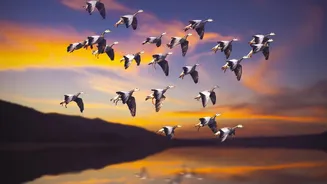
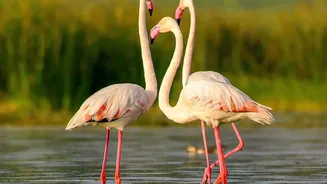
The arrival of migratory birds brings a cast of spectacular characters to India's wetlands. Among the most famous are the Bar-headed Geese, renowned for their incredible high-altitude flight across the Himalayas, one of the most challenging migrations on Earth. While they have been observed at extreme altitudes, studies show they mostly navigate through lower valleys and passes. Another showstopper is the Greater Flamingo, which arrives in vast flocks, turning water bodies like Rajasthan's Sambhar Lake and Gujarat's Rann of Kutch into a sea of pink. Other prominent visitors include countless species of ducks like the Northern Pintail and Gadwall, elegant cranes, majestic pelicans, and various shorebirds, each adding to the vibrant avian tapestry.
India's Premier Birdwatching Hotspots
This annual migration turns several locations into worldclass wildlife destinations. Keoladeo National Park in Bharatpur, Rajasthan, a UNESCO World Heritage Site, is arguably India's most famous bird sanctuary, attracting thousands of birds to its manmade wetlands. Chilika Lake in Odisha, Asia’s largest brackish water lagoon, hosts millions of waterfowl and waders. Other crucial sites include Sultanpur National Park in Haryana, a key stopover near Delhi NCR, and the wetlands of Gujarat, like Nal Sarovar, which becomes a bustling hub for flamingos, pelicans, and herons. Even smaller or seasonal wetlands play a critical role, serving as vital rest stops for these longdistance travellers.
A Vital Connection
The arrival of migratory birds is more than just a beautiful spectacle; it's a barometer of ecological health. These birds play a crucial role in the ecosystem by controlling pests and dispersing seeds. Their presence signals that a wetland is healthy and thriving. This phenomenon also fuels a surge in eco tourism, drawing wildlife photographers and nature enthusiasts from around the globe. This provides local communities with sustainable livelihood opportunities and fosters a greater appreciation for conservation. However, these vital habitats are under increasing threat from pollution, urban expansion, and climate change, making their protection more critical than ever.