







The classic Indian holiday is changing. Beyond the crowded hotspots and selfie points, a quieter, more conscious form of travel is taking root, driven by a new generation of travellers demanding trips that give back to nature and local communities.
The Rise of the Conscious Traveller
A significant
shift is underway in the Indian travel landscape. An increasing number of travellers, particularly millennials and Gen Z, are looking for more than just a vacation. They seek experiences that align with their values. Recent surveys highlight this trend, with one 2026 report showing that 74% of Indian travellers believe people must act now to preserve the planet for future generations. This growing awareness is translating into action; 72% are more determined to travel sustainably now than they were a year ago. This isn't just about feeling good; it's a fundamental change in priorities. Travellers are actively seeking to minimise their ecological footprint, connect with destinations on a deeper level, and ensure their tourism money benefits local economies directly. The demand for experiences over simple sightseeing is driving a boom in what is being called 'purpose-driven travel'.
What 'Responsible' Really Means
Ecotourism is more than just a buzzword for 'green' travel. True ecotourism, as defined by international standards, is responsible travel to natural areas that conserves the environment and improves the well-being of local people. This involves three core principles. First, it means adopting low-impact practices that protect the ecological integrity of the destination, from waste management to using renewable energy. Second, it requires providing direct financial benefits and empowerment for local communities, ensuring that the people who live in and protect these habitats are primary stakeholders. This can take the form of community-run homestays, employing local guides, or sourcing food from nearby farms. Finally, it builds environmental and cultural awareness, educating travellers and fostering a sense of respect. It's the difference between a simple jeep safari and a guided walk with a local naturalist who explains the ecosystem's intricacies.
Beyond the Jeep Safari
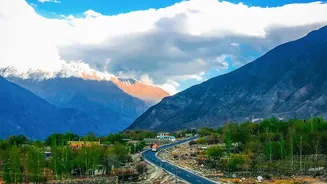
Across India, innovative ecotourism models are emerging near protected habitats. In Kerala, destinations like Thenmala, the country's first planned ecotourism site, offer a blueprint for blending nature with community benefit. In states like Madhya Pradesh and Uttarakhand, community-based tourism near tiger reserves like Pench and Corbett National Parks involves local tribes in conservation efforts, providing them with livelihoods that depend on a thriving ecosystem. Nagaland’s Khonoma village is celebrated as a 'green village' for its community-led conservation of forests and wildlife. These experiences go beyond a fleeting glimpse of wildlife. They include stays in eco-lodges built with local materials, participating in reforestation projects, learning about indigenous traditions, and exploring terraced fields in places like Spiti Valley. The focus is on immersion and contribution, leaving a place better than when one arrived.
Spotting Green from Greenwashing
With the rising demand for sustainable options, the risk of 'greenwashing'—where businesses make misleading claims about their environmental practices—also increases. A hotel might advertise itself as 'eco-friendly' for simply asking guests to reuse towels, while ignoring larger issues like waste management or community impact. For travellers, distinguishing genuine efforts from marketing ploys can be challenging. Experts advise asking specific questions before booking: Where do you source your staff and supplies? How do you manage waste and water? How does your operation directly benefit local conservation and community projects? Looking for credible certifications can also help, though a universal standard is still lacking in India. The most responsible operators are often transparent about their practices and can clearly articulate their commitment to both the environment and the local population.