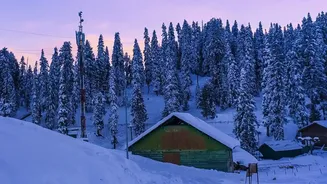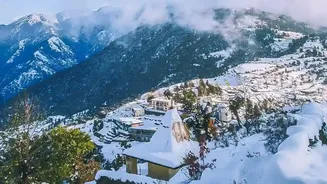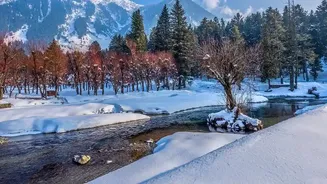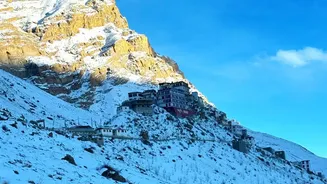




When winter blankets Kashmir in a thick layer of snow, most eyes turn to the iconic slopes of Gulmarg. But beyond this bustling hub lies a world of serene, snow-draped valleys offering quiet beauty and unique charm for the discerning traveller.
Pahalgam: The Valley of Shepherds in White
Known as
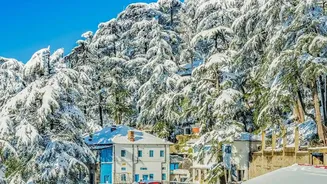
the 'Valley of Shepherds', Pahalgam transforms into a tranquil winter wonderland that offers a peaceful alternative to the crowds of Gulmarg. The town itself remains accessible throughout the winter, providing a cozy base for exploration. The landscape is defined by the gentle flow of the Lidder River, its banks edged with snow, and dense pine forests heavy with fresh powder. The most reliable months for a deep snow experience are January and February. While higher-altitude spots like Aru Valley may be temporarily closed after heavy snowfall, the famous Betaab Valley typically remains open, offering picture-postcard views of meadows under a pristine white blanket. Unlike Gulmarg's high-octane skiing, Pahalgam's winter charm lies in its quiet activities: gentle snow walks along the river, pony rides through frosted forests, and sledging on its soft, undulating slopes. It is the perfect destination for families and those seeking solitude and stunning photography opportunities amidst a serene, snow-covered landscape.
Sonamarg: The 'New' Winter Jewel
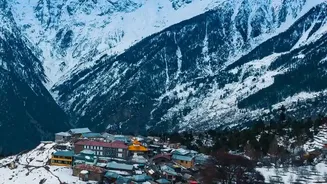
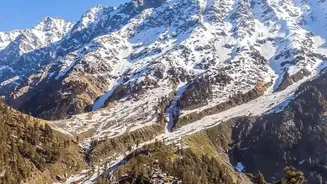
Once cut off from the world during winter, Sonamarg, or the 'Meadow of Gold', has emerged as an exciting new destination for snow lovers. Thanks to the all-weather Z-Morh Tunnel that opened in early 2025, the town is now accessible year-round, unlocking its dramatic, high-altitude scenery for winter tourism. The journey itself is breathtaking, leading to a valley surrounded by towering, snow-clad peaks. While Sonamarg offers a quieter experience than Gulmarg, it doesn't lack for beauty or adventure. Visitors can enjoy thrilling sledge rides, snow-shoeing across vast white expanses, and capturing spectacular photographs of the pristine landscape. It's important to note that while the town is reachable, access to higher points like the Thajiwas Glacier trek remains restricted during peak winter. For those looking to witness the raw, untouched beauty of a high-altitude Himalayan valley in winter without the crowds, Sonamarg presents a fresh and exhilarating option.
Yusmarg: A Meadow Frozen in Time
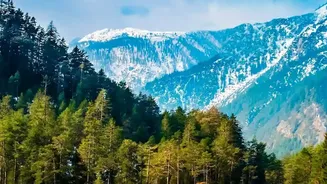
For travellers who prize solitude above all else, Yusmarg is a hidden gem. Located in the Budgam district, this expansive meadow becomes a hushed, fairy tale landscape under winter's spell. Less developed than other tourist spots, Yusmarg offers an experience of Kashmir at its most tranquil. The accessibility of Yusmarg in winter is dependent on weather conditions, as the road from Srinagar can temporarily close after heavy snowfall, so it is always best to check conditions before you travel. Those who make the journey are rewarded with vast, untouched snowfields flanked by majestic pine forests. The primary activities here are simple and pure: leisurely snow walks, photography, and sledge rides across the quiet meadows. With limited commercial activity, Yusmarg is not about a checklist of attractions but about immersing yourself in the profound silence and serene beauty of a Kashmiri meadow frozen in time. It’s an ideal day trip from Srinagar for those seeking peace and a deep connection with nature.
For the Adventurous: Gurez Valley
For the truly intrepid traveller, Gurez Valley offers a glimpse into one of the most remote and stunning corners of Kashmir. Located near the Line of Control, this valley is largely inaccessible by road in winter, as the main route via Razdan Pass is buried under deep snow from late autumn to spring. Limited access is sometimes available via a government operated helicopter service, but this requires significant planning and flexibility. Those who manage the journey are met with an awe inspiring landscape of extreme beauty, with traditional villages of the Dard Shina community adding a unique cultural dimension. Winter travel to Gurez is a serious undertaking due to the harsh conditions and minimal tourist infrastructure, making it suitable only for experienced adventurers who have planned their trip meticulously with local experts.