



A Symphony for the Senses
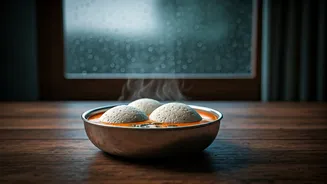
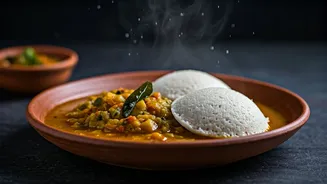
There's an undeniable magic to a plate of idli and sambar on a rainy day. Picture it: outside, the world is a wash of grey and green, the rhythmic drumming of rain providing a soothing soundtrack. Inside, a plate arrives, and the steam that rises from
the bowl of sambar carries with it an aroma of cooked lentils, tamarind, and a complex blend of spices. The idlis themselves are pristine white, soft, and porous, perfectly designed to soak up the flavourful curry. It’s a visual and olfactory contrast to the dampness outdoors—a pocket of warmth and vibrancy. The act of tearing a piece of pillowy idli, dipping it into the hot, tangy sambar, and taking that first bite is a multi-sensory experience that immediately grounds you in a feeling of well-being. It’s not just food; it’s a gentle rebellion against the gloom, a declaration of comfort.
The Wisdom of Lightness
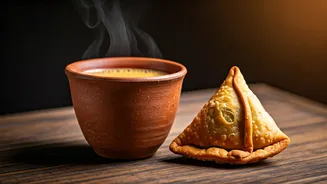
While the monsoon often triggers cravings for deep-fried snacks like pakoras and samosas, there's a practical wisdom in choosing idli and sambar. The rainy season can be taxing on our digestive system. The humidity tends to slow down our metabolism, making heavy, oily foods harder to process. This is where the genius of idli shines. Made from a fermented batter of rice and urad dal, idlis are steamed, not fried, making them incredibly light and easy to digest. The fermentation process not only imparts a subtle sour tang but also increases the bioavailability of nutrients, making them a powerhouse of protein and carbohydrates. Sambar complements this perfectly. It’s a vegetable-laden lentil stew, providing fibre, vitamins, and a hydrating warmth without the heaviness of other rich curries. Together, they offer a meal that is both satisfying and gentle on the stomach—the perfect balance for a sluggish monsoon day.
The Psychology of a Simple Meal
Beyond the taste and nutritional science, idli and sambar tap into a deep-seated psychological need for comfort. For millions, it’s a taste of home, a flavour profile associated with childhood breakfasts and the care of a parent. It’s a simple, unpretentious meal that doesn't demand much from you, either in preparation (if you’re buying it) or in consumption. In a world of complex flavours and elaborate culinary trends, the straightforward goodness of idli and sambar feels honest and reliable. This reliability is profoundly comforting, especially on days when the relentless rain can feel isolating or melancholic. It’s the food equivalent of a warm hug—familiar, safe, and deeply reassuring. The consistency of its taste and texture offers a small anchor of certainty in the beautiful chaos of the monsoon.
From Southern Staple to National Embrace
While its roots are firmly planted in South India, the appeal of idli and sambar has long transcended regional boundaries. From roadside stalls in Delhi to high-end cafes in Mumbai, it has become a pan-Indian comfort food. Its universal acceptance is a testament to its simple yet profound appeal. It’s a breakfast food, a lunch option, and a light dinner. It’s enjoyed by toddlers and elders alike. This widespread love means that no matter where you are in India, you are likely not far from a place that serves a decent plate. This accessibility makes it a dependable choice for comfort, a culinary constant in the diverse landscape of Indian cuisine. The dish has become a shared language of comfort, uniting palates from north to south, especially when the skies open up.