




A Major Study Complicates the Narrative
Recent scientific work is questioning the direct line between a bitter taste and guaranteed health advantages. A large-scale analysis using data from hundreds of thousands of individuals has explored the effects of the “supertaster gene,” known as TAS2R38.
This gene dictates how intensely a person perceives bitterness in certain foods. The findings were surprising: having the gene for high bitter sensitivity doesn’t automatically correlate with better health across the board. In fact, it was linked to a mixed bag of outcomes, including both potential risks and some benefits. For instance, while those sensitive to bitterness might have better gut health due to a higher presence of certain beneficial bacteria, they were also found to have an association with impaired kidney function and an increased chance of bipolar disorder. This complicates the idea that simply chasing bitter-tasting foods is a foolproof strategy for well-being.
The Science of a Bitter Pill
Our ability to taste bitterness is an ancient survival mechanism. Humans have about 25 different bitter taste receptors, which evolved to help our ancestors detect and avoid potentially toxic plants. Since many poisonous compounds are bitter, having a strong aversion was a clear evolutionary advantage. This is why many people, especially children, instinctively reject intensely bitter flavours. The key gene in many studies is TAS2R38, which makes compounds in foods like broccoli and brussels sprouts taste extremely bitter to those who carry two copies of it, often called “supertasters”. However, not all bitterness is the same. You might despise the bitterness of grapefruit but enjoy black coffee, because different bitter compounds trigger different receptors. This genetic lottery means we all live in slightly different flavour worlds, which in turn influences our food choices and, potentially, our long-term health.
The Missing Link to Health
The belief that bitter equals healthy comes from the fact that many nutritious plant compounds, like flavonoids and polyphenols in greens and dark chocolate, happen to be bitter. These compounds often have antioxidant and anti-inflammatory properties. The mistake is assuming bitterness itself is the active ingredient. The recent large-scale genetic investigation found that being a “supertaster” didn't necessarily lead to a healthier life. Researchers found no classic association between having the gene and a preference for brussels sprouts. People with the gene variation did, however, tend to consume less horseradish, grapefruit, and certain types of alcohol. The study suggests that the link between our genes, what we choose to eat, and our overall health is far more complex than a simple taste test. The presence of taste receptors in organs beyond the tongue—like the gut, respiratory system, and brain—also suggests they play roles in immunity and metabolism that we are only beginning to understand.
So, Should You Still Eat Your Greens?
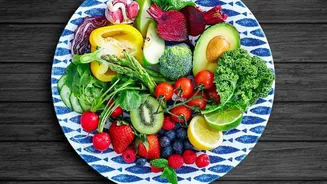
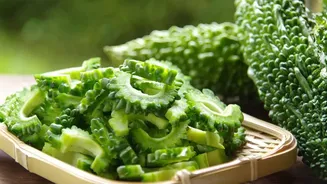
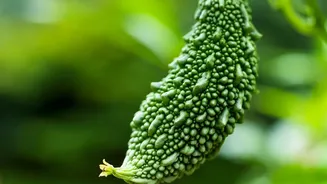
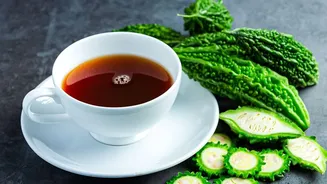
The short answer is yes. The takeaway from this research isn't to avoid bitter foods. Many of them, like kale, bitter melon, dandelion greens, and cocoa, are packed with vitamins, minerals, and beneficial phytochemicals that are proven to be good for you. A moderate intake of bitter foods like brassica vegetables has even been associated with better blood sugar outcomes. The key is to separate the food's nutritional profile from its taste profile. Don't force down something you find unbearably bitter just because you think the bitterness itself is a magic bullet. Instead, focus on eating a wide variety of plant foods. If you dislike intensely bitter greens, find other vegetables you do enjoy. If you love the sharp bite of arugula or dark chocolate, continue to enjoy them as part of a balanced diet. The goal is nutrient diversity, not a contest to see who can withstand the most bitter flavours.