





From 'Eco-Friendly' to 'Eco-Efficient'
The conversation around sustainability is shifting. While reducing our impact remains the goal, the methods are evolving from simply choosing 'green' products to adopting 'product-smart' systems. This new wave isn't just about what a product is made of,
but how it’s designed to be used, reused, and ultimately reduce waste at every stage. It’s a move from sustainability as an added feature to sustainability as a core design principle. Consumers are increasingly aware and driving this change; studies show a significant majority are willing to alter their habits to reduce their environmental impact and actively seek out brands that make it easier to do so. [8, 9] This has pushed companies to innovate beyond recyclable packaging and into creating entirely new product formats that are more efficient by nature. [12]
The Concentrate Revolution: Just Add Water
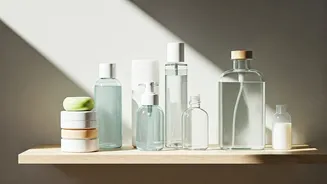
One of the most significant changes is happening in our cleaning cabinets and laundry rooms. Many traditional cleaning products are mostly water, sold in bulky plastic bottles. [2, 6] Concentrated products flip this model. They are sold as smaller, potent formulas that you dilute with water at home. [4] This seemingly simple change has a massive ripple effect. It drastically reduces plastic packaging, sometimes by a huge margin—one 5-litre concentrate can replace as many as 500 ready-to-use bottles. [2] It also lowers carbon emissions from transportation, as shipping tiny bottles is far more efficient than shipping heavy, water-filled ones. [1, 3] For the consumer, it means less clutter, fewer trips to the store, and often, significant cost savings over time. [1, 6]
The Refill Renaissance
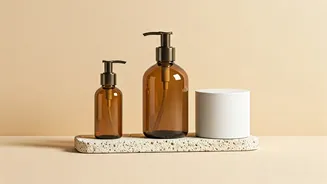
Building on the idea of reducing packaging, the refill model is gaining serious momentum. Instead of tossing a bottle when it’s empty, you simply replenish it. This is becoming easier thanks to innovative systems from brands and retailers. [11] Some companies offer in-store filling stations for everything from shampoo to olive oil. [17] Others operate on a subscription model, sending you refill pouches or cartridges that use a fraction of the plastic of a new bottle. [11] Technology is also playing a role, with app-based systems that allow you to buy products by the gram, using your own containers and saving money in the process. [17] This shift not only tackles the plastic waste crisis but also fosters a circular mindset, where containers are seen as durable goods rather than disposable items. [13]
Waterless Wonders: The Power of Solids
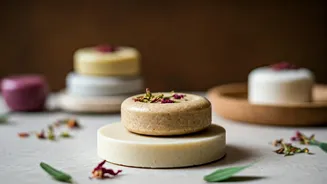
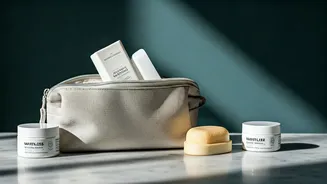
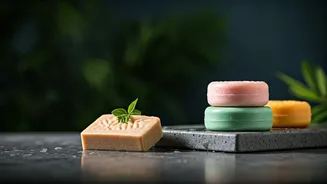
The beauty and personal care industry is undergoing its own product-smart transformation with the rise of waterless products. [16] Conventional skincare and haircare products can be up to 90% water. [14] Waterless alternatives—like shampoo bars, conditioner bars, solid cleansers, and toothpaste tablets—remove the water entirely. [19] This makes them incredibly concentrated and potent, often requiring fewer preservatives. [14, 21] Their solid form means no plastic bottle is needed, they are lightweight and compact for travel, and their reduced weight and volume slash shipping emissions. [11, 18] As water scarcity becomes a more pressing global issue, reducing the water footprint of our daily routines is a powerful and increasingly popular step. [14]