



A Sanctuary, Not a Zoo
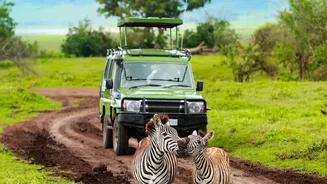
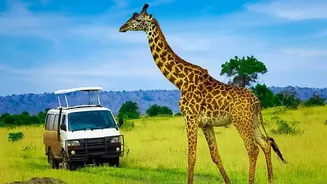
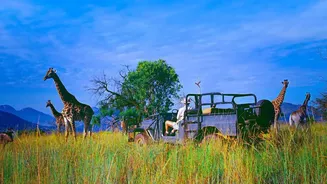
The most important thing to remember is that Kaziranga is a wild, protected environment, not a zoo. The animals within its vast expanse are not there for entertainment; they are living in their natural habitat. Their movements are dictated by instinct,
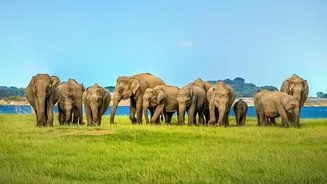
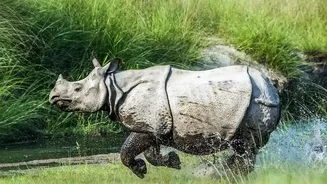
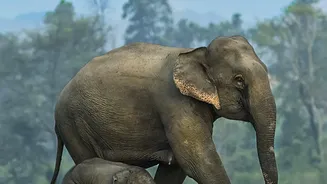
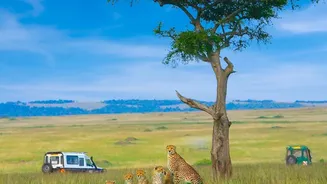
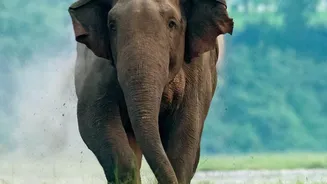
weather, food availability, and their own social behaviours—not a safari schedule. The one-horned rhinoceros, Bengal tiger, wild elephant, and swamp deer roam freely across more than 430 square kilometres. This unpredictability is the very essence of a true wildlife experience. A sighting is a moment of pure chance, a brief window into an untamed world that operates on its own terms.
The Challenge of the Terrain
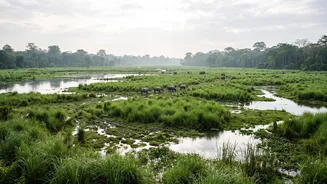
Kaziranga's landscape is a key reason for its rich biodiversity, but it also presents a challenge for wildlife viewing. The park is a mosaic of habitats, including dense forests, vast wetlands, and most famously, sprawling grasslands with elephant grass that can grow several metres tall. A rhinoceros or even a herd of elephants can easily disappear into this tall grass just a short distance from a safari track. While these features provide excellent cover and protection for the animals, they can make spotting them difficult for visitors. The same dense vegetation that keeps animals safe also keeps them hidden.
The Four Zones of Kaziranga
The park is divided into four main safari zones: the Central Range (Kohora), Western Range (Bagori), Eastern Range (Agaratoli), and Burapahar Range. Each has a distinct landscape and offers different wildlife viewing opportunities. The Central Range is the most popular and is known for its high rhino density and the best (though still rare) chances of a tiger sighting. The Western Range is excellent for spotting rhinos and elephants, while the Eastern Range is a paradise for birdwatchers with its extensive wetlands. Burapahar is hilly and forested, offering a chance to see primates like the hoolock gibbon. Animals move between these zones, so a flurry of activity in one area one day might be followed by quiet the next.
Timing Is Everything
The time of day and the season you visit play a huge role in what you might see. The park is open to visitors only from November to April, as it remains closed during the monsoon season due to flooding. The best viewing conditions are often from November to February when the weather is pleasant. Early morning safaris, around sunrise, are generally considered the best time for sightings, as many animals are most active during the cooler hours. Afternoon safaris offer a different light and experience but can be quieter as animals rest during the heat of the day. Even within the prime season, a sudden change in weather can cause animals to seek shelter, making them harder to find.
Luck, Patience, and a Good Guide
Ultimately, a successful safari often comes down to luck and patience. There is no formula for guaranteeing a sighting of a specific animal. However, you can increase your chances by booking multiple safaris, ideally across different zones and at different times of the day. A knowledgeable naturalist guide is also invaluable; they are skilled at spotting tracks, listening for calls, and understanding animal behaviour in a way that can turn a seemingly quiet drive into an exciting one. They can point out the smaller wonders of the forest that are often missed when visitors are focused only on the 'big ticket' animals.
Embrace the Entire Experience
Instead of focusing on a 'checklist' of animals, the best way to approach a Kaziranga safari is with an open mind. Appreciate the stunning landscape, the incredible birdlife (the park is home to hundreds of species), and the peacefulness of the forest. A safari is about the thrill of the search and the privilege of being in one of Asia's last great wildernesses. Every rustle in the grass, every alarm call from a deer, and every unidentified track on the path is part of the story. Seeing a rhino is a magnificent bonus, but the true magic of Kaziranga lies in the entire immersive experience.