



What Exactly Is El Niño?
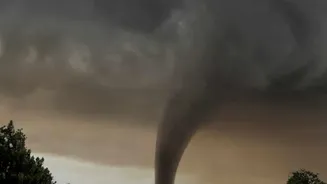
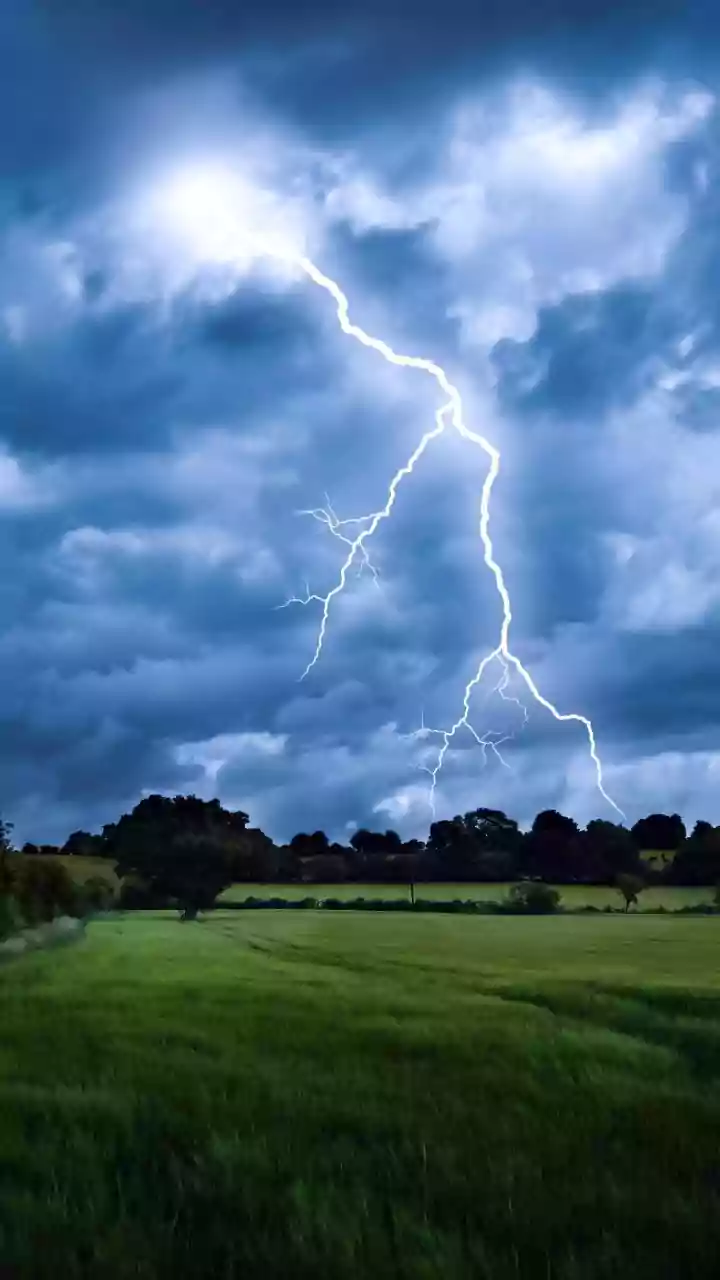
El Niño, which means 'the little boy' in Spanish, is a natural climate phenomenon marked by the unusual warming of surface waters in the central and eastern Pacific Ocean. This oceanic warming happens every two to seven years and disrupts global weather
patterns. Scientists have warned that the El Niño event that began developing in June 2026 could become one of the strongest on record, with its peak impact expected towards the end of the year and into early 2027. This change, thousands of kilometres away, sets off a chain reaction in the atmosphere that has profound consequences for India's most critical weather system: the monsoon.
The Connection to India's Monsoons
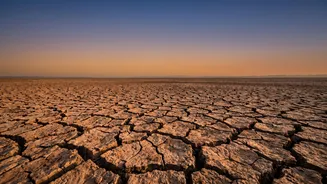
The Indian economy is deeply intertwined with the southwest monsoon, which provides about 70% of the country's annual rainfall and is vital for its agricultural sector. El Niño typically weakens the monsoon by altering atmospheric circulation, leading to reduced rainfall and prolonged dry spells. As of mid-September 2026, India is facing its driest monsoon in 17 years, with a nationwide rainfall deficit of around 15% below the long-term average. This significant shortfall in rain affects soil moisture, reservoir levels, and water availability for both the main Kharif (summer) crops and the upcoming Rabi (winter) sowing season.
From Farm to Plate: Which Foods Are at Risk?
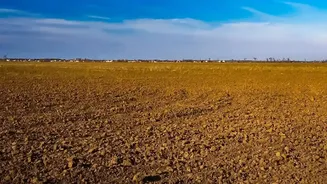
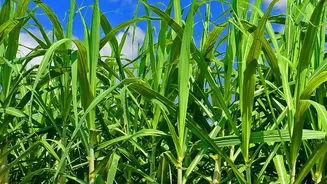
The lack of adequate rainfall directly threatens the production of India's key rainfed crops. These are crops grown without extensive irrigation, making them highly dependent on the monsoon. The most vulnerable include staples like rice, pulses (dal), maize, and oilseeds, as well as cash crops like sugarcane and cotton. Reports from September 2026 already show that the area sown for rice has declined compared to the previous year. Sugarcane production has also been hit, leading to a sharp rise in sugar prices ahead of the festive season. Furthermore, a poor maize harvest has a cascading effect, as it is a primary component of cattle and poultry feed, potentially driving up the costs of milk, eggs, and chicken.
The Ripple Effect on Your Wallet
For the average consumer, the most direct impact of El Niño is food inflation. When crop yields fall, supply tightens. If demand remains high, prices inevitably rise. We are already seeing this with sugar, which saw a significant price jump in 2026. A weak monsoon puts upward pressure on the prices of vegetables, cereals, and pulses, straining household budgets. The government has acknowledged this threat, and food inflation has been a growing concern, hitting 5.95% in August 2026, its highest level for the year. This makes the weekly grocery bill more expensive and can have a wider impact on the national economy and household savings.
What Is Being Done to Mitigate the Impact?
The Indian government is not sitting idle. In anticipation of a strong El Niño, authorities have rolled out multi-pronged strategies. These include preparing contingency plans for over 300 vulnerable districts, promoting the use of drought-tolerant and short-duration crop varieties, and enhancing water conservation efforts. There are dedicated monitoring cells to provide real-time advisories to farmers. Additionally, the government relies on buffer stocks of essential grains like wheat and rice to release into the market to control extreme price surges and ensure availability. Financial support systems, including crop insurance and credit access, are also being strengthened to protect farmers from potential losses.
An Informed Consumer Is an Empowered Consumer
While the situation sounds concerning, the key for consumers is awareness, not panic. Understanding that weather patterns can cause price fluctuations can help you make smarter purchasing decisions. During periods of high prices for certain vegetables or grains, exploring alternatives like millets (Shree Anna), which are more drought-resistant, can be a good strategy. Paying attention to seasonal availability and stocking up on non-perishable staples when prices are stable can also help manage your budget. It's about recognising the link between the climate and your kitchen and adapting accordingly.