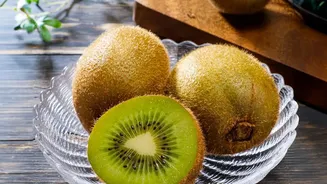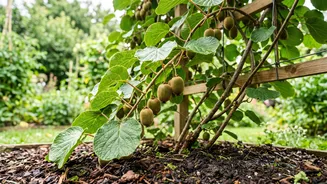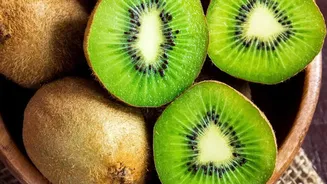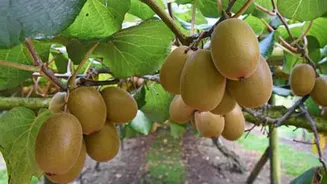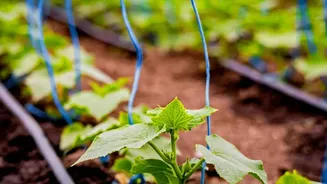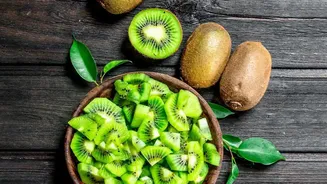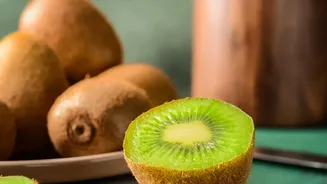




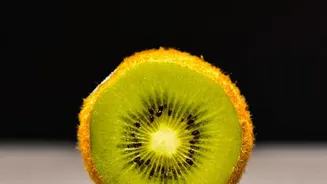
Imagine plucking a fresh, juicy kiwi from a vine in your own backyard. It’s a rewarding gardening project that’s more achievable than you might think. With the right knowledge, you can cultivate these vigorous vines and enjoy a delicious harvest.
Choose Your Fighter: Kiwi Varieties
Before
you start digging, it's crucial to pick the right kiwi plant. Kiwis aren't one-size-fits-all. The most common are the fuzzy kiwis (Actinidia deliciosa), like the popular 'Hayward' variety, which thrive in temperate climates with mild winters. For those in colder regions, hardy kiwis (Actinidia arguta) are a better bet, as they can tolerate much lower temperatures. The most important factor, however, is pollination. Most kiwi varieties are dioecious, meaning you need separate male and female plants to produce fruit. The female plant bears the fruit, while the male provides the essential pollen. As a rule of thumb, one male vine can pollinate up to eight female vines. If space is a concern, look for a self-fertile variety like 'Jenny' or the hardy 'Issai', which can produce fruit on their own.
Location, Location, Pollination
Kiwis are sun-lovers, requiring a spot that receives at least six to eight hours of direct sunlight per day to develop sweet fruit. They also need protection from strong winds, which can damage the vines. When it comes to soil, kiwis prefer a well-drained, slightly acidic loam (pH 6.0-6.5) that is rich in organic matter. Heavy clay or waterlogged soil is a major problem, as it can lead to root rot. If your soil is poor, amend it with plenty of compost or consider planting in a raised bed. Planting should take place in the spring after the last frost has passed. Space your vines about 10 to 15 feet apart to give them room to grow.
A Framework for Success: Support Structures
Don't underestimate the 'vine' in kiwi vine. These plants are vigorous climbers and can grow up to 30 feet long, becoming extremely heavy over time. They require a very sturdy support structure, installed before or at the time of planting to avoid disturbing the roots later. Popular options for home gardeners include a strong T-bar trellis, a pergola, or a robust arbor. During the first year, you will train a single, strong shoot to grow up the support, forming the main trunk. From there, you will encourage permanent horizontal branches, or cordons, to grow along the wires of your trellis.
The Art of Pruning for Fruit
Pruning is perhaps the most critical task for ensuring a good kiwi harvest. It's done twice a year: a major structural prune in the winter and a maintenance prune in the summer. Kiwis produce fruit on canes that grew in the previous season. The goal of winter pruning (done when the plant is dormant) is to remove the canes that have already fruited and select new, healthy one-year-old canes to produce next season's crop. Summer pruning involves thinning out excessive leafy growth to allow sunlight to reach the developing fruit and improve air circulation. This also helps direct the plant's energy into fruit production rather than growing more leaves.
Ongoing Care and Feeding
Kiwi vines need consistent moisture, especially during the growing season and as fruits are developing. A deep watering once or twice a week during hot, dry spells is more effective than shallow, frequent watering. Applying a layer of mulch annually helps retain soil moisture, suppress weeds, and add nutrients back into the soil. Fertilise your vines at least twice a year, in the spring and autumn, using a balanced fertiliser or well-rotted manure. This provides the energy needed for vigorous growth and heavy fruiting.
Patience and the Sweet Reward
Here's where patience becomes a virtue. Don't expect fruit in your first year. Kiwi vines typically take three to five years to begin producing a significant harvest. Commercial growers often harvest based on sugar content, but home gardeners can rely on other signs. The fruit reaches its full size by late summer but is usually ready for harvest in autumn, around October or November. A good indicator is when the seeds inside have turned black. The fruit will still be firm when picked; they ripen off the vine. You can let them soften at room temperature or speed up the process by placing them in a paper bag with an apple or banana. A perfectly ripe, homegrown kiwi is well worth the wait.