





What Exactly is Kokum?
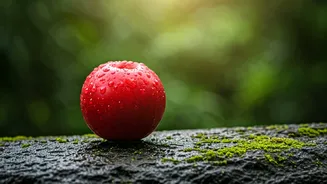
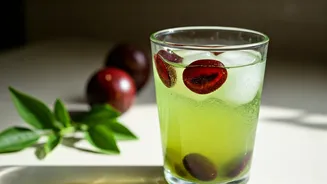
Before you dismiss it, let's get acquainted with this coastal gem. Kokum (Garcinia indica) is a small, deep-purple fruit native to the Western Ghats of India. A cousin of the more exotic mangosteen, it’s a cornerstone of Konkani, Goan, and Maharashtrian
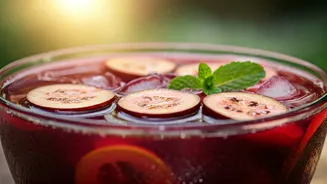
cuisines. When fresh, it’s plump and tart. But for year-round use, the rind is separated, soaked in its own juice, and sun-dried into dark, leathery curls. This is the form most of us encounter. While it’s famously used as a souring agent in dals and fish curries, lending a unique tang and rosy hue, its true calling on a hot day is as a beverage. The ‘wild’ and ‘raw’ in its name refers to a simple, no-cook preparation that preserves its natural goodness and untamed flavour.
A Taste of the Konkan Coast
If your only reference for sour is tamarind or lemon, kokum will recalibrate your palate. Its taste is bracingly tart but without the earthy depth of imli. Instead, it carries a clean, slightly floral, and almost metallic brightness that is incredibly refreshing. When balanced with a sweetener like jaggery and a hint of salt, it transforms into a complex drink that is simultaneously sweet, sour, and savoury. It quenches thirst in a way that few other drinks can, leaving your palate feeling clean and invigorated, not coated in sugar. It’s the flavour of a sea breeze, a coastal sunset, and generations of culinary wisdom bottled into one beautiful beverage.
More Than Just a Pretty Drink
The love for kokum goes far beyond its taste. Traditional Ayurvedic wisdom has long celebrated it for its cooling properties, making it the perfect antidote to India’s formidable summers. It’s renowned as a powerful digestive aid, often consumed after a heavy meal to combat acidity and improve gut health. Modern science backs this up. Kokum is a rich source of antioxidants, particularly Garcinol, a compound studied for its anti-inflammatory and anti-carcinogenic properties. It also contains Hydroxycitric Acid (HCA), which is often linked to weight management. So, that cooling glass of sherbet is not just a treat; it’s a functional drink that actively works to soothe and restore your system.
The 'Wild Raw' Kokum Punch Recipe
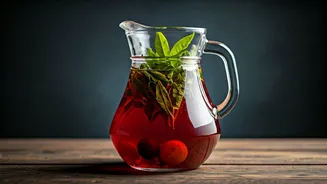
Ready to try it? This no-cook recipe is as simple as it gets. You’ll need: - 12-15 pieces of dried kokum (Amsul) - 4 cups of water - 4-5 tablespoons of powdered jaggery or sugar (adjust to taste) - 1/2 teaspoon rock salt (kala namak) - 1/4 teaspoon roasted cumin powder Instructions: 1. **Soak the Kokum:** Wash the dried kokum pieces under running water. Then, soak them in 1 cup of warm water for about an hour. This will soften the rinds and draw out their deep colour and flavour. 2. **Extract the Pulp:** After soaking, use your hands to mash the kokum pieces thoroughly in the water. Squeeze them well to release all the pulp. The water should turn a beautiful, deep magenta. 3. **Strain the Juice:** Pour the mixture through a fine-mesh sieve into a large jug, pressing down on the pulp to extract every last drop. Discard the leftover solids. 4. **Flavour and Serve:** Add the remaining 3 cups of water to the jug. Stir in the jaggery, rock salt, and roasted cumin powder until everything is completely dissolved. Taste and adjust the sweetness or saltiness as needed. 5. **Chill:** Refrigerate the punch for at least an hour. Serve it ice-cold for the best experience.
Tips for the Perfect Punch
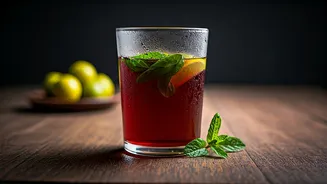
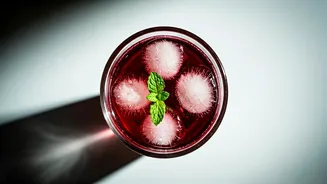
To take your kokum punch from good to great, keep a few things in mind. First, don't rush the soaking; the longer the kokum steeps, the more intense the flavour. For a quicker, more concentrated version, you can soak the rinds in less water and use it as a base to be diluted later. When it comes to sweetener, jaggery adds a rustic, mineral depth that sugar can't replicate. The secret weapon is always rock salt—its sulphurous notes perfectly complement the fruit's tartness. For a fresh twist, try muddling a few mint leaves at the bottom of each glass before pouring, or add a pinch of black pepper or finely chopped ginger to the mix for a spicy kick. It’s a versatile base for experimentation.