






Your Body's Internal Clock
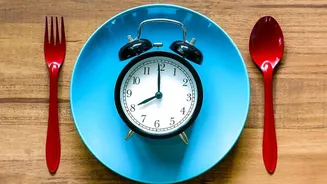
At the heart of this concept is your body's circadian rhythm, a 24-hour internal clock that governs everything from your sleep-wake cycle to your metabolism. This biological timer means your body is primed to do different things at different times of the day.
During the day, your metabolism is running high, efficiently processing food for energy. As evening approaches, your system begins preparing for rest and repair, and its ability to manage sugar and fat decreases. Eating late forces your digestive system to work overtime when it should be winding down, throwing it out of sync.
The Link to More Efficient Fat Burning
One of the most compelling benefits of an earlier dinner is its effect on your metabolism and fat-burning capabilities. When you eat, your body releases insulin to help process the glucose from your meal. Research shows that insulin sensitivity is higher earlier in the day and drops in the evening. Eating a late dinner can lead to higher blood sugar spikes and more prolonged insulin release. This state makes it harder for your body to switch from burning glucose to burning stored fat for energy overnight. By finishing your last meal earlier, you give your blood sugar and insulin levels time to fall before you sleep, allowing your body to enter a fasting state and tap into its fat reserves for fuel more effectively.
Achieving Deeper, More Restful Sleep
If you've ever felt restless after a late, heavy meal, you've experienced the conflict between digestion and sleep. The digestive process is an active one, raising your core body temperature. However, for your body to initiate and maintain deep sleep, it needs to cool down slightly. Eating too close to bedtime can interfere with this natural temperature drop, making it harder to fall asleep and reducing the quality of your rest. Furthermore, late meals can lead to issues like acid reflux and indigestion, which are known to disrupt sleep. By creating a gap of a few hours between dinner and bedtime, you allow digestion to complete, paving the way for your body to focus entirely on the restorative work of deep sleep.
What 'Early' Actually Means
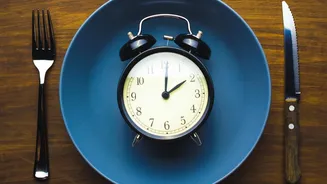
The ideal timing for dinner isn't a strict one-size-fits-all rule, but a general principle. Most experts and studies suggest finishing your last meal at least three hours before you go to bed. For someone who sleeps at 11 PM, this would mean eating dinner by 8 PM at the latest, though a 7 PM mealtime might offer even greater benefits. This practice, often called early time-restricted eating (eTRE), creates a longer overnight fasting window of 13 hours or more, which has been linked to numerous metabolic health benefits, including lower inflammation and improved blood sugar control.
Making the Shift to an Earlier Dinner
Shifting your dinner time may seem challenging, especially with work schedules and family commitments, but small adjustments can make a big difference. Start by moving your dinner earlier by just 15-30 minutes each week to ease into the new routine. Make breakfast and lunch more substantial so you are less likely to feel extreme hunger in the evening. If you find yourself hungry before bed, a small, protein-rich snack like a handful of almonds or a bit of Greek yogurt is a better choice than a full meal. The goal isn't rigid perfection, but creating a consistent eating pattern that works in harmony with your body's natural rhythms.