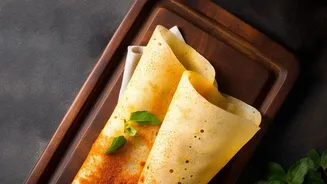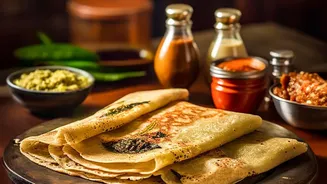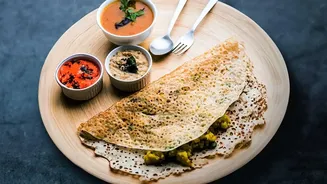

Why Pan Temperature Is the Secret
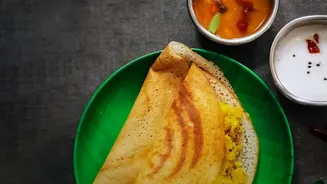
Before you even think about the batter, the pan, or 'tawa', sets the stage for success or failure. The entire cooking process of a dosa is a rapid dehydration of the batter on a hot surface. The right temperature ensures the batter crisps up instantly,
creating that signature golden, lace-like texture. It's a fine balance. An incorrect temperature is the number one reason dosas stick, tear, or turn out pale and soft. Mastering this one variable will transform your dosa-making skills more than any other trick.
Finding the 'Just Right' Heat Zone
So, what is the perfect temperature? You don't need a special thermometer; your senses are your best guide. Heat your tawa on a medium to medium-high flame for several minutes. A heavy-bottomed or cast-iron pan is ideal as it heats evenly and retains temperature well. To check if it's ready, use the water test. Sprinkle a few drops of water onto the surface. If they sizzle immediately and evaporate within a couple of seconds, you've hit the sweet spot. Your pan is hot and ready for the batter.
The Problem: When the Pan Is Too Cold
This is a common mistake for impatient cooks. If you pour batter onto a pan that isn't hot enough, it won't sizzle and set on contact. Instead, the batter will sit there, slowly steaming in its own moisture. The result is a thick, pale, and floppy dosa that refuses to get crispy. When you try to lift it, it will almost certainly stick to the pan and tear, creating a frustrating, pasty mess. If your water test results in lazy bubbles that just simmer, your pan needs more time on the flame.
The Opposite Problem: When the Pan Is Too Hot
A scorching hot pan is just as problematic. If your pan is smoking or if the water droplets you sprinkle skitter and dance across the surface, it's too hot. When you pour the batter onto a surface this hot, it seizes and cooks instantly, making it impossible to spread thinly. You'll end up with a thick, uneven dosa that is likely burnt in patches but undercooked elsewhere. It will be difficult to handle and won't have the delicate texture you're looking for.
How to Control and Maintain the Temperature
Consistency is key, especially when making multiple dosas. After heating the pan to the right temperature, many expert cooks briefly cool the surface just before pouring the batter. You can do this by wiping the pan with a damp cloth or, famously, the cut half of an onion. This brings the temperature down from 'scorching' to 'perfectly hot', allowing you to spread the batter easily. Pour the batter, spread it, and then turn the heat back to medium to cook it until crisp. This technique of heating, slightly cooling, spreading, and then cooking gives you control and ensures each dosa is as good as the first.
Special Tips for Oats Dosa
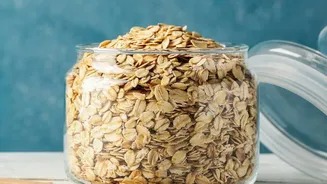
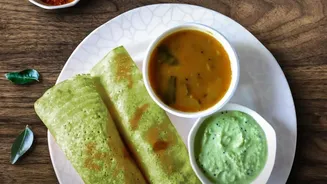
Instant oats dosa batter is often thinner and more delicate than traditional fermented batters, behaving more like a rava dosa. This makes pan temperature even more critical. Because the batter is runny, it requires a properly hot tawa to create its signature lacy, crisp texture. If the pan is too cold, the thin batter will simply create a soggy pancake. The binding agents in an oats dosa, often rice flour or semolina, are there to help it become crispy, but they can only do their job if the heat is sufficient. For beginners, using a good quality non-stick pan can be more forgiving as you get a feel for the right temperature.