





The Problem with Conventional Iced Tea
For years, the standard method for making iced tea has been to brew tea leaves in hot water and then rapidly cool the liquid over ice. While fast, this process has a significant downside. Hot water is highly efficient at extraction, but it doesn't just
pull out flavour; it also draws out a high concentration of tannins. Tannins are naturally occurring compounds in tea that contribute to astringency and bitterness. When tea is brewed hot and then cooled, these tannins can make the resulting drink harsh and drying on the palate, often requiring sugar or lemon to become palatable.
A Smoother Solution: The Art of Cold Steeping
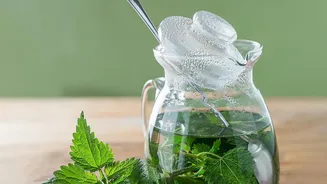
Enter cold steeping, a method gaining popularity in specialty cafes. Instead of heat, this technique uses time. Tea leaves are submerged in cold or room-temperature water and left to infuse slowly over several hours, typically between 6 to 12, in a refrigerator. This gentle, slow extraction process fundamentally changes the chemical composition of the beverage. Because tannins are less soluble in cold water, the final product is significantly less bitter and astringent. The result is a naturally smoother, rounder, and often sweeter-tasting tea that allows the leaf's delicate flavour notes to shine through without the harsh edge. This method also tends to extract less caffeine, offering a calmer beverage option.
The Heart of the Matter: Orthodox Teas
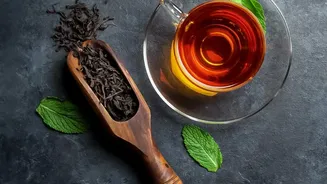
The choice of tea is just as crucial as the method. Many of these modern cafes are turning to orthodox teas. Unlike the common CTC (Crush, Tear, Curl) teas that are processed by machines into small pellets for strong, quick brews like masala chai, orthodox teas are processed using traditional methods that preserve the whole leaf. This artisanal production, which involves withering, rolling, and firing the leaves with great care, results in a more nuanced and complex flavour profile. Teas from renowned Indian regions like Darjeeling and Assam are often produced this way. The large, unbroken leaves of orthodox tea are perfect for cold steeping, as they unfurl slowly, releasing their aromatic oils and subtle flavours without the risk of bitterness associated with the fine particles of CTC tea.
A Touch of Local Terroir
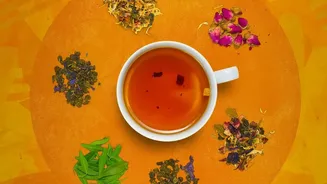
What makes this trend distinctly Indian is the infusion of local herbs and botanicals. This practice connects a global brewing technique with India's rich tradition of using plants for flavour and wellness. Cafes are experimenting with a wide array of ingredients, creating unique and refreshing combinations. Popular additions include fresh mint, fragrant lemongrass, holy basil (tulsi), and the vibrant petals of hibiscus and rose. These herbs don't just add flavour; they create a more complex, layered beverage that reflects a modern Indian palate—one that appreciates both innovation and heritage. This move aligns with a broader consumer shift towards beverages that feel both authentic and personalized.
More Than Just a Drink
The rise of these sophisticated iced teas is part of a larger cultural shift in urban India. As consumers, particularly millennials and Gen Z, become more health-conscious, they are seeking out alternatives to sugary sodas and generic juices. The cold-steeped tea trend caters perfectly to this demand. It offers a beverage that is flavourful, low in calories, and perceived as a wellness-centric choice. It represents a move towards appreciating craft and quality, where the story behind the ingredients and the care in preparation are part of the appeal. From specialty tea rooms in Mumbai to chic cafes in Bangalore, these beverages are becoming a new symbol of mindful indulgence.