





The Old Patchwork System
Until recently, the validity of a PUC certificate was often a source of confusion for vehicle owners. The rules varied significantly from one state to another. For new vehicles, a PUC certificate was typically valid for one year. After that, renewal periods
could be every six months or, in some cases, every three months, depending on local regulations and the age of the vehicle. This lack of uniformity meant that a car owner in one state could be following a completely different compliance schedule from an owner in a neighbouring state. This patchwork system not only created inconvenience for those travelling across state lines but also made it difficult to maintain a consistent national standard for vehicle emissions.
Introducing the New Uniform Norms
The Ministry of Road Transport and Highways has now streamlined this process with the Central Motor Vehicles (Sixteenth Amendment) Rules, 2026, which came into effect on November 13, 2026. These new regulations create a clear, nationwide standard based on the vehicle's emission norms (Bharat Stage or BS) and its age. For BS-VI private (non-transport) vehicles, the changes are significant. If your vehicle is up to six years old, the PUC is now valid for three years. For those between six and ten years old, it's an annual renewal. If the vehicle is over ten years old, the certificate must be renewed every six months. Transport or commercial BS-VI vehicles follow a similar, though slightly different, schedule. Vehicles up to six years old need a PUC every two years, those between six and ten years require annual renewal, and those over ten years need it every six months.
Clarity for Older Vehicles
The new rules also bring much-needed uniformity for older vehicles. For any vehicle complying with BS-IV emission standards, the PUC certificate is now valid for six months across the country. Previously, this could have been up to a year in some areas, but the new rule standardises it to six months. For even older vehicles—those compliant with BS-I, BS-II, and BS-III norms—the validity period is now a standard three months nationwide. This tiered system ensures that older vehicles, which are generally more prone to higher emissions, are tested more frequently, while newer, cleaner-running BS-VI vehicles have a longer grace period.
The Vahan Database Integration
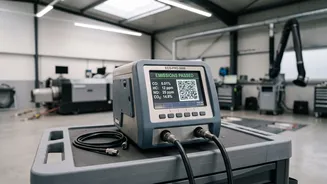
A key part of this new, uniform system is its deep integration with the Vahan national vehicle registry. When you get your vehicle tested at an authorised centre, the results are uploaded online to the Vahan database in real time. This creates a centralised, digital record of your vehicle's emission status that can be accessed by enforcement authorities anywhere in India. This linkage is crucial for eliminating fraud and ensuring compliance. It also means you no longer strictly need to carry the physical paper certificate, as your PUC status can be verified digitally through apps like mParivahan. This system prevents situations where drivers from one state were incorrectly fined in another due to data mismatches, a common problem in the past.
Penalties for Non-Compliance
Driving without a valid PUC certificate remains a serious offence, and the penalties are significant. Under Section 190(2) of the Motor Vehicles Act, you can face a fine of up to ₹10,000, imprisonment for up to three months, or both. In some cases, authorities may also suspend your driving licence for three months. With the digital integration into Vahan, enforcement has become much more stringent and automated. Some regions have even implemented a 'No PUC, No Fuel' rule, where petrol pumps can refuse to serve vehicles without a valid certificate. Therefore, keeping track of your PUC expiry date is more important than ever. You can check your certificate's status and expiry date online through the official Parivahan portal.