





A Quick Look Inside Your Hair
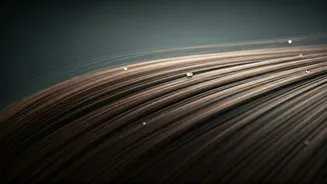
To understand why your hair rebels on a damp day, we first need to look at its structure. Each strand of hair is primarily made of a protein called keratin. Think of a hair strand like a rope made of many smaller cables. The outermost layer, the cuticle,
is like a series of overlapping roof shingles. When your hair is smooth and healthy, these shingles lie flat. The inner core, the cortex, contains bundles of keratin proteins, which give your hair its strength and elasticity.
The Two Bonds That Define Your Hair
Your hair's shape and style are determined by two types of chemical bonds. First, there are strong, permanent disulfide bonds. These are responsible for your natural hair type—whether it's straight, wavy, or curly. They can only be broken by chemical treatments like perms or relaxers. Then, there are the weaker, much more numerous hydrogen bonds. These are temporary and are broken every time you wet your hair and reform as it dries. When you blow-dry your hair straight or use a curling iron, you are setting these hydrogen bonds into a new shape. They are the key players in your daily styling—and your rainy-day frustration.
Enter the Real Culprit: Humidity
Rainy weather means high humidity, which is just a measure of how much water vapour is in the air. A single strand of hair is incredibly receptive to this atmospheric moisture. Why? Because the chemical makeup of keratin proteins makes them naturally attractive to water molecules. When the air is full of moisture, your hair acts like a sponge, eagerly soaking it up. This is where the trouble begins. As water molecules from the humid air seep into the hair shaft, they get between the keratin strands and start to form new hydrogen bonds, disrupting the style you so carefully set in the morning.
How Moisture Creates Frizz
As your hair absorbs moisture, the keratin strands swell. This swelling isn’t uniform. Different parts of the hair absorb water at different rates, causing the strand to bend, twist, and contort into its natural, pre-styled shape. More importantly, this swelling forces those 'roof shingles' of the hair cuticle to lift and stand on end. Instead of a smooth, sleek surface that reflects light, you get a rough, uneven texture. This roughness is what we perceive as frizz. Essentially, a bad hair day is your hair absorbing excess moisture, breaking its styled shape, and reverting to a frizzier, more natural state.
Why Some Hair Types Suffer More
If you feel like your hair is particularly prone to frizz, you're probably right. Hair that is dry, damaged, or chemically treated is often more porous. This means its cuticle layer is already slightly raised, creating more openings for moisture to enter the cortex. The result? It frizzes up faster and more dramatically. Naturally curly and wavy hair types also tend to be more susceptible. The bends and curls in the hair shaft can prevent natural oils from travelling down the strand, leading to drier ends. The structure of curly hair also means the cuticles don't lie as flat as they do on straight hair, making it inherently more porous and prone to soaking up humidity.
Can You Fight Back?
While you can't change the weather, you can give your hair a fighting chance. The strategy is to create a barrier that blocks moisture from entering the hair shaft. Products containing silicones or oils can coat the hair and seal the cuticle, preventing humidity from getting in. Using hydrating, sulfate-free shampoos and conditioners helps keep your hair moisturised from the inside, making it less thirsty for atmospheric moisture. Finally, finishing your style with an anti-humectant hairspray can provide an extra layer of protection. It’s all about sealing that cuticle down tight before you walk out the door.