






A Monsoon on Shaky Ground
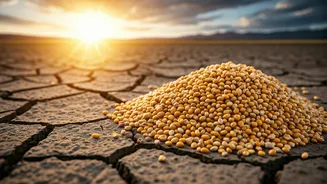
The Southwest Monsoon, the lifeblood of Indian agriculture, has had a sluggish start in 2026. By mid-June, rainfall was significantly below normal, marking one of the weakest starts in over a decade. [2] The India Meteorological Department (IMD) has forecast
that the country may only receive about 90% of its long-period average rainfall for the season, putting it in the 'below-normal' category. [2, 27] This shortfall is attributed to a strengthening El Niño, a weather phenomenon known for historically weakening India's monsoon. [2, 15] With nearly half of India's farmland being rain-fed, the delay and deficit are causing significant concern for the sowing of crucial Kharif (summer) crops like rice, cotton, and soybeans, which are heavily dependent on June and July rains. [2, 18]
Enter the 'Climate-Smart' Grains
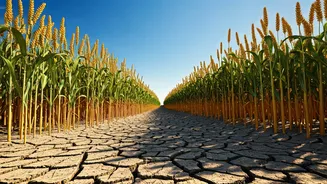
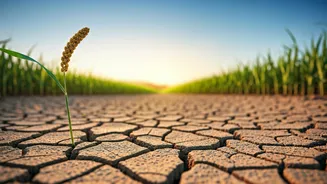
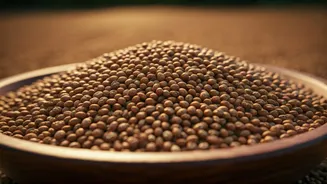
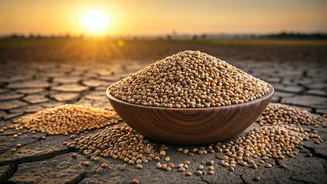
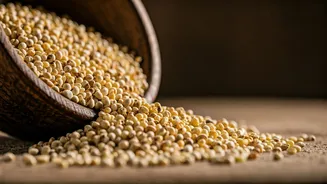
This is where millets step into the spotlight. Unlike water-guzzling crops like rice and sugarcane, millets are famously hardy and climate-resilient. [26] They are C4 plants, which means they have high photosynthetic efficiency and require significantly less water—up to 70% less than rice. [5, 26] Their deep root systems and ability to tolerate high temperatures and drought conditions make them an ideal contingency crop for farmers facing unpredictable weather. [10, 20] As a result, in the face of a weak monsoon, farmers are increasingly turning to millets. Early data for the 2026 Kharif season already shows a notable increase in the area sown with coarse cereals, particularly Bajra (pearl millet), even as sowing for crops like cotton has declined. [3]
More Than Just a Farmer's Fallback
The renewed interest isn't just happening on the farm. It's part of a larger, ongoing movement. Following the successful International Year of Millets in 2023, the Indian government has continued to promote these 'nutri-cereals' through various schemes. [7, 11] Initiatives like the National Food Security & Nutrition Mission (NFSNM) are providing support for millet cultivation, including the distribution of high-yielding, drought-resistant seeds. [21] On the consumer side, growing health consciousness is a major driver. Millets are gluten-free and packed with protein, fibre, and essential minerals. [6, 14] This nutritional profile, coupled with their low glycemic index, has made them popular among urban consumers looking for healthier alternatives to wheat and rice. [9, 16]
A Familiar Cycle of Resilience
The "again" in the headline is key. This turn towards millets during a dry spell is a recurring pattern, a testament to India's agricultural adaptability. For centuries, these grains were a staple food across the subcontinent before the Green Revolution prioritized wheat and rice. [26] In recent years, whenever the monsoon has been erratic, both farmers and policymakers have looked to millets as a reliable buffer. [18, 23] This year is no different. States like Rajasthan have already set higher cultivation targets for millets like bajra and jowar for the 2026 Kharif season, anticipating the impact of El Niño. [24] It highlights a practical shift: when water is scarce, wisdom dictates planting what can survive and thrive.
What This Means for Your Kitchen
For the average consumer, this agricultural shift has a direct impact. The increased focus on millets means greater availability and variety of millet-based products on store shelves, from traditional flours to modern ready-to-eat snacks and breakfast cereals. [6, 9] While a poor monsoon can lead to inflation in the prices of staples like rice and vegetables, the pivot to millets could help stabilize food supply. [2] As more farmers plant these grains, and the ecosystem of processing units and startups expands, millets are becoming more accessible and affordable. [13] The current buzz is a reminder that what’s good for the farmer and the planet—a resilient, low-water crop—is also increasingly good for our health and our plates. [19]