

Essential Pre-Monsoon Vehicle Checks
Before the downpours become a daily reality, a thorough vehicle check is non-negotiable. Your tyres are the first line of defence on wet roads. Ensure they have adequate tread depth to prevent hydroplaning, where a layer of water builds between the tyre and
the road, causing a loss of control. Check that your brakes are responsive; wet conditions can reduce their efficiency. Equally important are your windscreen wipers. Replace them if they leave streaks, as clear vision is critical. Finally, test all your lights—headlights, taillights, and indicators—to ensure you can see and be seen. A functioning defogger and air conditioning system will also be crucial for keeping your windshield from fogging up.
Tips for Car Drivers
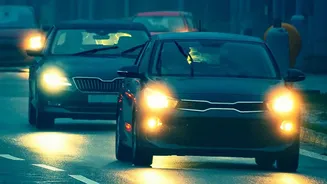
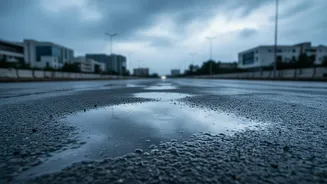
When you are behind the wheel in heavy rain, your driving style needs to adapt. The most important rule is to slow down. Wet roads increase braking distances, and reducing your speed gives you more time to react. Maintain a greater following distance from the vehicle in front of you for the same reason. Turn your headlights on, even during the day, to improve your visibility to others, but avoid using high beams, which can reflect off raindrops and dazzle oncoming drivers. Be wary of large puddles and waterlogged areas. Driving through standing water can damage your car's engine and electrical systems, and it's often impossible to know its true depth or what hazards like open manholes might be hidden underneath. If you feel your car start to hydroplane, do not brake suddenly. Instead, ease your foot off the accelerator and steer straight until you regain traction.
Advice for Two-Wheeler Riders
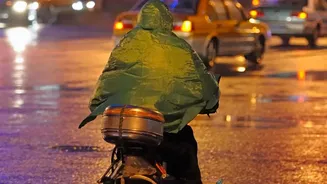
Riding a motorcycle or scooter in the rain requires heightened concentration and defensive riding. Reduced traction is your biggest enemy. All your inputs—braking, accelerating, and turning—should be smooth and gradual to avoid skids. The first 30 minutes of rainfall can be the most treacherous, as oil and debris on the road mix with water to create an exceptionally slick surface. Be extra cautious of painted road markings, metal plates, and manhole covers, which become extremely slippery when wet. Wear high-visibility and waterproof gear to stay dry, comfortable, and visible to other motorists. A helmet with a clear, anti-fog visor is essential for maintaining a clear line of sight.
Safety for Pedestrians and Public Transport Users
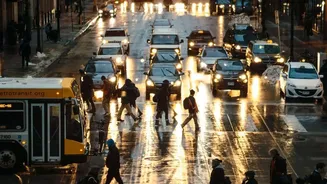
If you're walking or using public transport, your primary concerns are visibility and slippery surfaces. Wear brightly coloured clothing to make yourself more visible to drivers. Choose footwear with good grip to avoid slipping on wet pavements, tiles at stations, or slick foot overbridges. When crossing roads, be extra cautious. Wait for traffic to stop completely and try to make eye contact with drivers, as their visibility is also compromised. Avoid jaywalking, as drivers have less time to react on wet roads. If possible, keep your hands free to maintain balance and use railings on stairs. Be mindful when using an umbrella so it doesn't block your view of your surroundings.
Health and Hygiene on the Move
The monsoon also brings a higher risk of waterborne diseases and infections. Avoid walking through stagnant water, which can be contaminated. If you get wet, change out of damp clothes and shoes as soon as possible to prevent fungal infections. It’s also wise to be cautious about street food during this season, as high humidity can cause food to spoil faster. Always drink boiled or bottled water to avoid stomach issues. Carrying a hand sanitiser is a good habit, especially when using public transport. Keeping your immunity strong with a healthy diet and adequate hydration will also help you stay healthy throughout the season.