






The Core Mission: Skincare vs. Style
The fundamental difference between a lip oil and a lip gloss lies in their primary purpose. A lip oil is essentially a skincare product for your lips, disguised as makeup. Its main goal is to hydrate, nourish, and condition the delicate skin on your lips, with
a subtle shine as a beautiful side effect. These products are typically formulated with a blend of beneficial, lightweight plant oils like jojoba, coconut, argan, and almond oil, which are rich in vitamins and antioxidants. They are designed to penetrate the skin, providing deep and lasting moisture that can improve lip health over time. Lip gloss, on the other hand, is a cosmetic product first and foremost. Its mission is to deliver a dramatic, high-shine, often reflective finish. While some modern glosses contain hydrating ingredients, their main job is to enhance the appearance of lips by making them look fuller and more luscious, with hydration being a secondary benefit.
Texture and Finish: How They Feel and Look
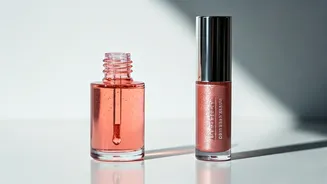
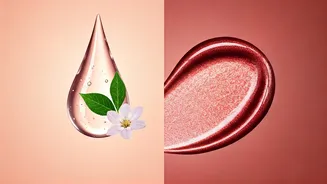
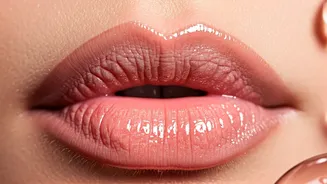
The on-lip experience of an oil versus a gloss is distinctly different. Lip oils are known for their thin, lightweight, and non-sticky texture. They tend to glide on smoothly and feel more like a treatment that absorbs into the lips rather than a layer sitting on top. The finish is typically a softer, more natural-looking sheen—think healthy and freshly hydrated. Lip glosses generally have a thicker, richer consistency. This texture is what creates that ultra-reflective, glass-like shine. However, this can sometimes translate to a stickier or heavier feel, which helps the product last longer but isn't always everyone's preference. Pigmentation also differs; lip oils usually offer a sheer tint, while glosses can range from completely clear to intensely pigmented.
The Ingredients That Make the Difference
Diving into the ingredient list reveals why these products perform so differently. Lip oil formulas are packed with natural, nourishing oils. Jojoba oil mimics the skin’s natural sebum, while others like coconut and argan oil provide fatty acids and vitamins that repair and soften. Some also include hyaluronic acid or vitamin E to boost hydration and protect the lips. Lip gloss formulations often rely on different ingredients to achieve their signature shine and staying power. Film-forming agents like polybutene are key to creating a glossy, cushiony layer that adheres to the lips for longer wear. Waxes such as beeswax or carnauba wax are used to thicken the formula, giving it structure and helping it stay put. While some glosses do incorporate oils like castor oil for shine, their primary components are geared towards creating a visible, durable finish.
When to Reach for Which
Choosing between an oil and a gloss often comes down to the occasion and your desired outcome. A lip oil is your perfect companion for daily wear, minimal makeup days, or when your lips feel dry and need some extra care. It provides a subtle enhancement that looks effortless and natural. You can also use it as a hydrating primer before applying a matte lipstick to prevent dryness. A lip gloss is the ideal choice when you want to make a statement. It’s perfect for a night out, a special occasion, or any time you want to add a glamorous, high-impact finish to your makeup look. Gloss is also fantastic for layering over lipstick to add dimension and a pop of shine. Because gloss formulas are thicker, they often last a bit longer on the lips before needing a touch-up.